Mountain viewpoint

Sugarloaf Mountain
Understand Rio’s coastline from the two-stage Sugarloaf cableway, with the history of the ascent, an Urca entrance plan and practical weather and access checks.
Explore Rio through its mountain-and-sea landscape, Atlantic beachfronts, historic centre and forest, with practical advice for a thoughtful first visit.
 Rio de Janeiro, Brazil
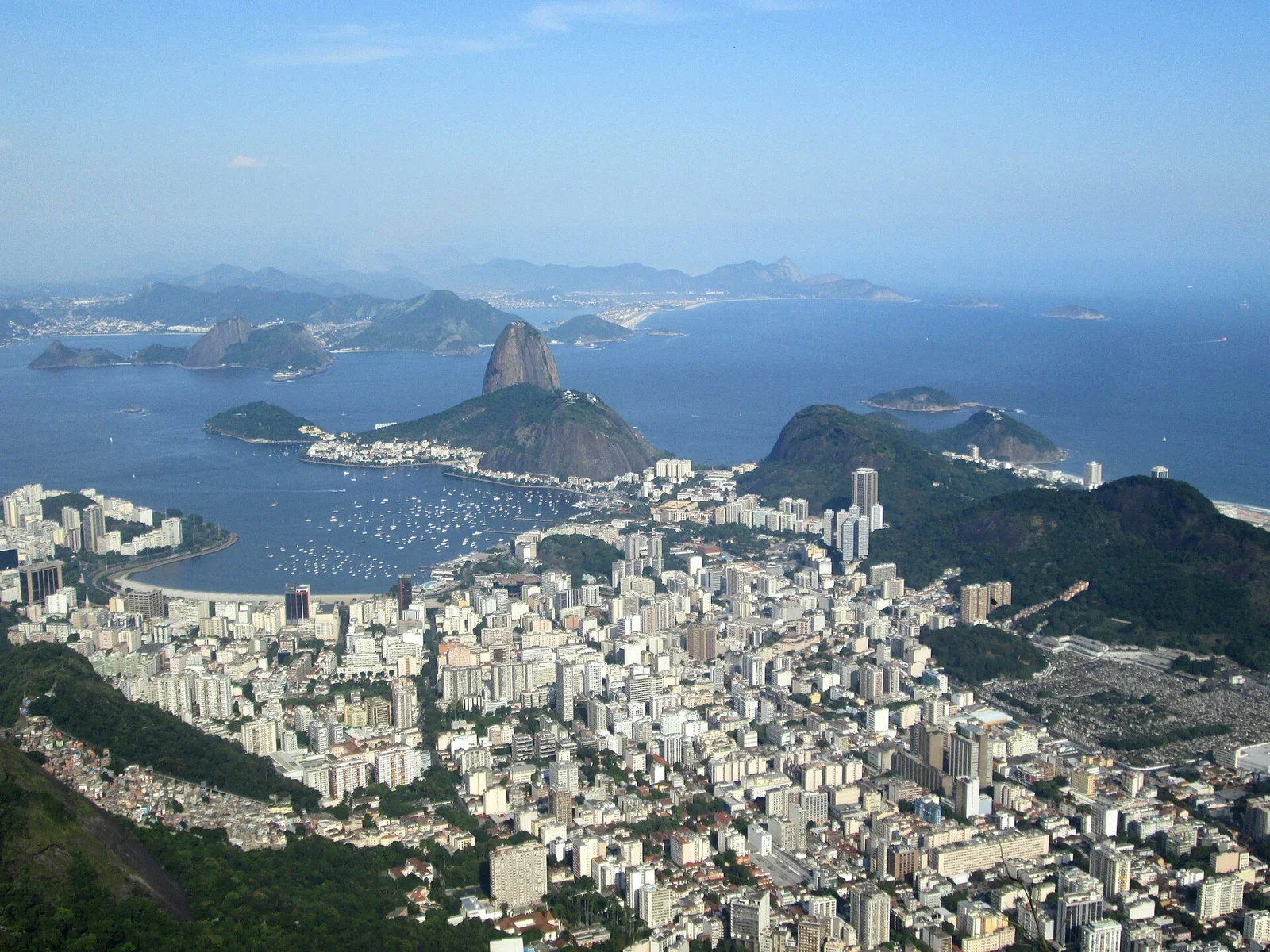
Botafogo Bay and Sugarloaf Mountain in a panorama photographed in January 2013; buildings and conditions may have changed. Photo by Acediscovery / Wikimedia Commons / CC BY 4.0. Resized and converted to WebP; covers and cards may crop. / Wikimedia Commons · CC BY 4.0 · Cropped for display; converted to WebP.
Think of Rio as several related outings rather than one continuous sightseeing circuit. A clear period for a mountain view, an oceanfront walk, a visit in the centre and a forest excursion each ask for different preparation. Group places sensibly and leave room for meals, transport and changing conditions. A useful plan gives the city time to become more than its outline on the horizon.
The Portuguese colonial city was founded in 1565 beside Guanabara Bay. It became the colonial capital in 1763 and remained the national seat of government through later political changes until the capital moved to Brasília in 1960. Its streets and waterfront were reshaped repeatedly as transport, public works and urban expansion changed the city. That history is also a reason to look beyond grand buildings. The harbour area carries the memory of enslavement, forced arrival and African-Brazilian lives, while later landscapes reveal choices about how the city should meet the sea. A first visit gains depth by making space for both the celebrated views and the history they can leave out.
Our first detailed place guide in Rio de Janeiro. More places will join this collection as their guides are reviewed.
Understand Rio’s coastline from the two-stage Sugarloaf cableway, with the history of the ascent, an Urca entrance plan and practical weather and access checks.
UNESCO's Carioca cultural landscape designation recognizes a relationship between natural setting and designed urban spaces. It includes mountain and forest settings as well as landscaped waterfront areas; it does not mean every building in Rio is part of the inscribed property. Use the panorama to notice how hills interrupt the built-up city and how shorelines connect different districts. Sugarloaf Mountain is the place guide linked to this collection and a practical starting point for reading that geography.
Copacabana and Ipanema are familiar names, but a beach outing need not be a hurried photograph. Choose a manageable stretch for a walk and notice how the promenade, sand and surrounding city meet. Plan somewhere to pause and a clear way back to your accommodation. Seeing people in the water, or a calm sea in an archival photograph, is not evidence of suitable swimming conditions for your own visit; follow current local beach guidance.
The centre helps connect the coastal city with its earlier role as a seat of government and a major port. Pick a small group of places whose history interests you, then check the opening arrangements for any interiors you want to enter. Allow time to read the interpretation rather than treating every facade as a checkpoint. A route with a clear beginning, one principal visit and a planned return is easier to enjoy than an improvised chain of distant sights.
Valongo Wharf Archaeological Site preserves physical evidence of the landing of enslaved Africans in Rio's former harbour area. It deserves attention as a place of memory, not simply another scenic stop. Read the site's history before going and give its modest surviving remains the time needed to understand what happened there. UNESCO's account is a useful starting point. When choosing interpretation or a guided visit, look for an approach that respects the communities and histories connected with the place.
Tijuca National Park contains different visiting sectors and a range of trails and viewpoints. Decide which place you intend to visit before selecting transport or estimating the effort involved. A destination name on a map does not explain trail difficulty, current access or conditions underfoot. The park's own information includes maps, visitor guidance and access notices. Stay on designated trails, take litter away and do not feed wildlife; give a forest outing its own preparation rather than adding it casually after a city walk.
Select one principal outing for each day, then add a nearby walk or meal if the actual timings allow it. Mountain visits, time at the ocean and the centre can all belong in one trip without belonging in one crowded day. Leave an alternative for poor visibility or an attraction whose access arrangements change. This is a planning suggestion, not a fixed itinerary or a guarantee about how long a journey will take.
MetrôRio's official station information covers places including Centro, Botafogo, Copacabana, Ipanema and Leblon. Check the station and route that actually serve your intended outing, along with current service and payment arrangements. A station name is only one part of a trip: also account for the street journey to the entrance and the return afterwards. Operator journey estimates should not be treated as the duration of an entire sightseeing visit.
Use the official booking and visitor information for the exact attraction you choose. Confirm the entry arrangement, what the ticket includes and any access information relevant to your group before setting off. Read the operator's current accessibility details and dated works notices before booking; a general lift description does not establish a step-free route for your visit. Keep the route back in the plan. The linked Sugarloaf Mountain guide explains that particular outing; a reservation for one attraction should not be assumed to include transport or entry to another.
Check the current forecast and the relevant park or attraction notices close to your visit. Visibility at a viewpoint and access to a forest route are separate questions. Older closure or reopening notices have dates and should not be read as a live status report. If the conditions do not fit the outing you prepared for, choose another plan rather than using a photograph or a short map distance as evidence that the route will suit you.
Choose a base by considering your arrival, the places you want to visit and the transport you intend to use. Check a property's actual location, rates and availability directly before booking. For a meal, consult a venue's own current menu and reservation information. This destination guide does not establish a live hotel or restaurant inventory, and the absence of a related venue card is not a recommendation to use an unverified alternative.
Check the official destination website for current advice, visiting information and local updates.
Visit the official websiteNearby hotels, restaurants and live prices are not available in this preview yet. When connected, prices will depend on your dates and guests, with reservations completed on the provider’s website.
Use “Save this place” to add Rio de Janeiro to your collection. Your saved places stay in this browser; they do not sync between devices.
Open saved placesAn original AI-assisted guide checked by TourPedia before publication. Visiting arrangements can change; use the official visitor links before travelling.
A little context. A new perspective. Somewhere worth knowing.
Culture & historyExplore Rio de Janeiro through Sugarloaf, Copacabana, Ipanema, the historic port and forest landscapes, with a thoughtful plan for a first visit.
Read story Photo by Acediscovery / Wikimedia Commons / CC BY 4.0. Resized and converted to WebP; covers and cards may crop. / Wikimedia Commons · CC BY 4.0 · Cropped for display; converted to WebP.A curated collection of places to consider around this area.
Curated hotels for this area are not available yet.
Distances are approximate straight-line measurements from the Sugarloaf Mountainarea marker, not walking routes. This is a small researched collection, not all nearby hotels. Check rates and availability on the hotel website.
Find a meal that fits your visit, with official contact links.
Curated dining places for this area are not available yet.
A small researched collection, not all nearby restaurants. Confirm menus, opening hours and reservations with the restaurant.
Find a thoughtful first route through Florence, connecting the Duomo, civic squares and Arno with time for art, a proper meal and the streets of the Oltrarno.
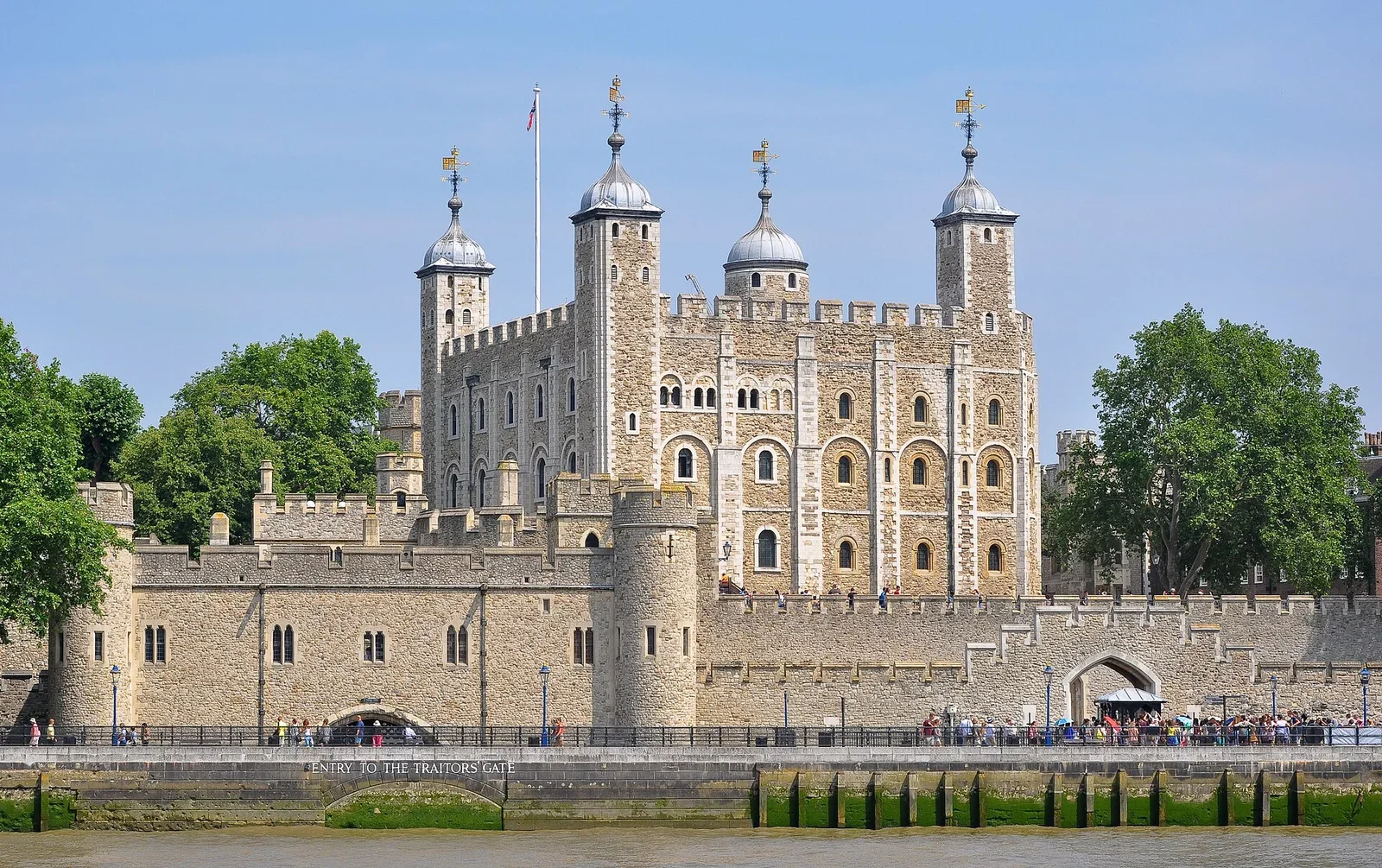
Explore London through thirteen popular museum, royal, religious and garden visits, with focused routes and current official planning checks.
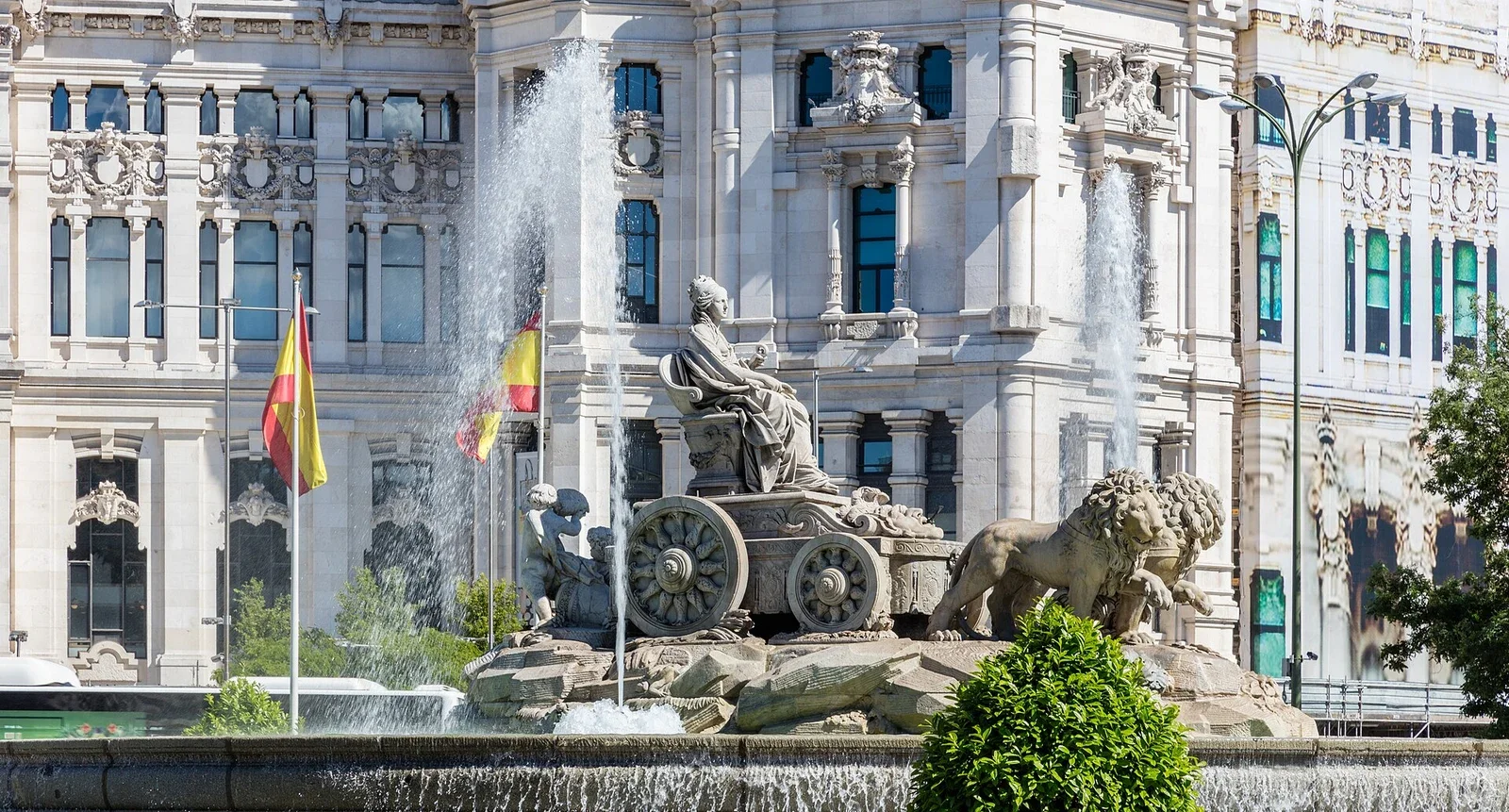
Discover Madrid through its royal palace, major art museums, historic squares and Retiro, with a practical framework for a thoughtful first visit.
Lighthouses, working harbors and Acadia’s rocky landscapes, explored as a choice of coastal bases within the state of Maine.
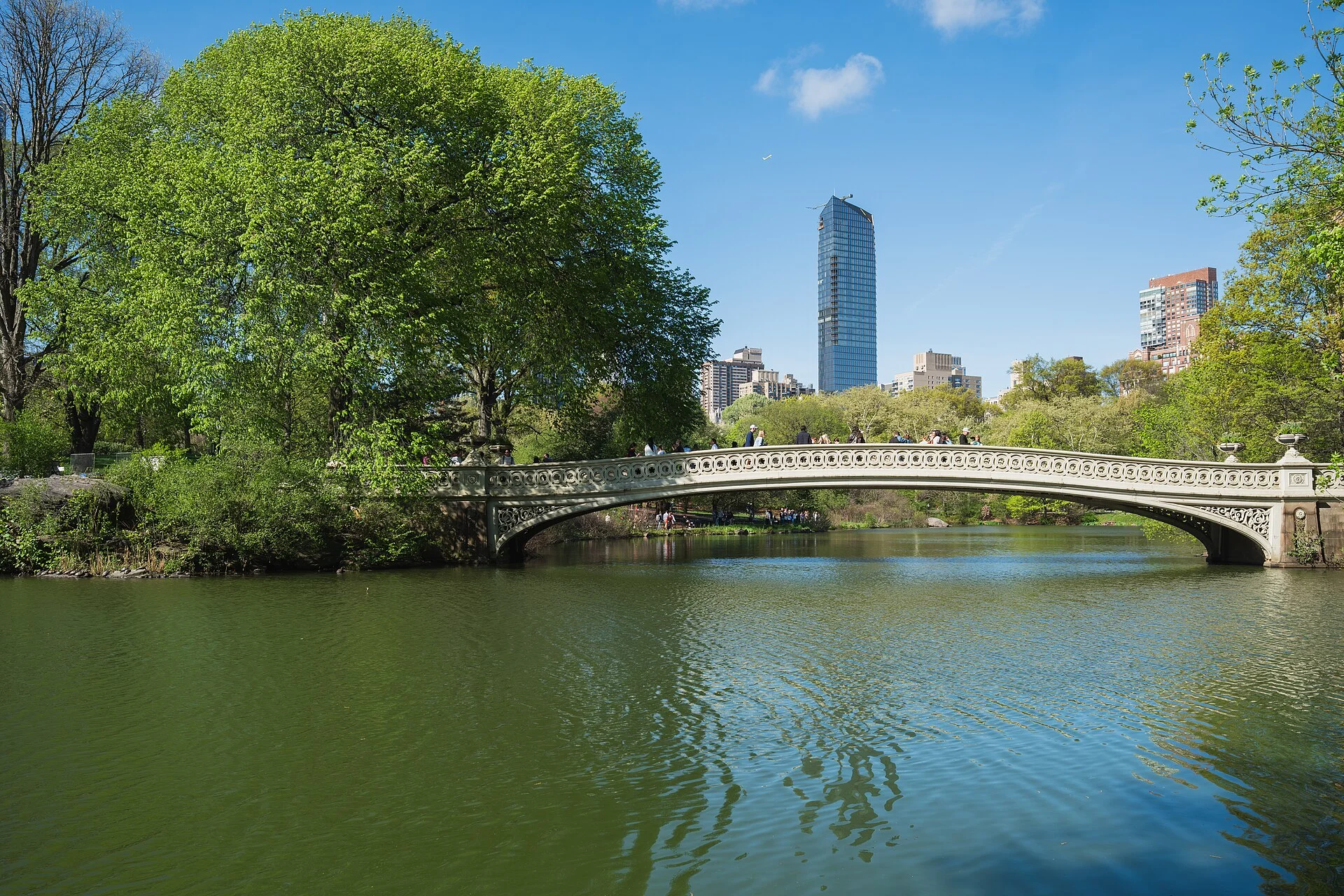
Choose a focused city stay with neighborhood walks, architecture and Central Park, then consider a separate journey into the wider state.
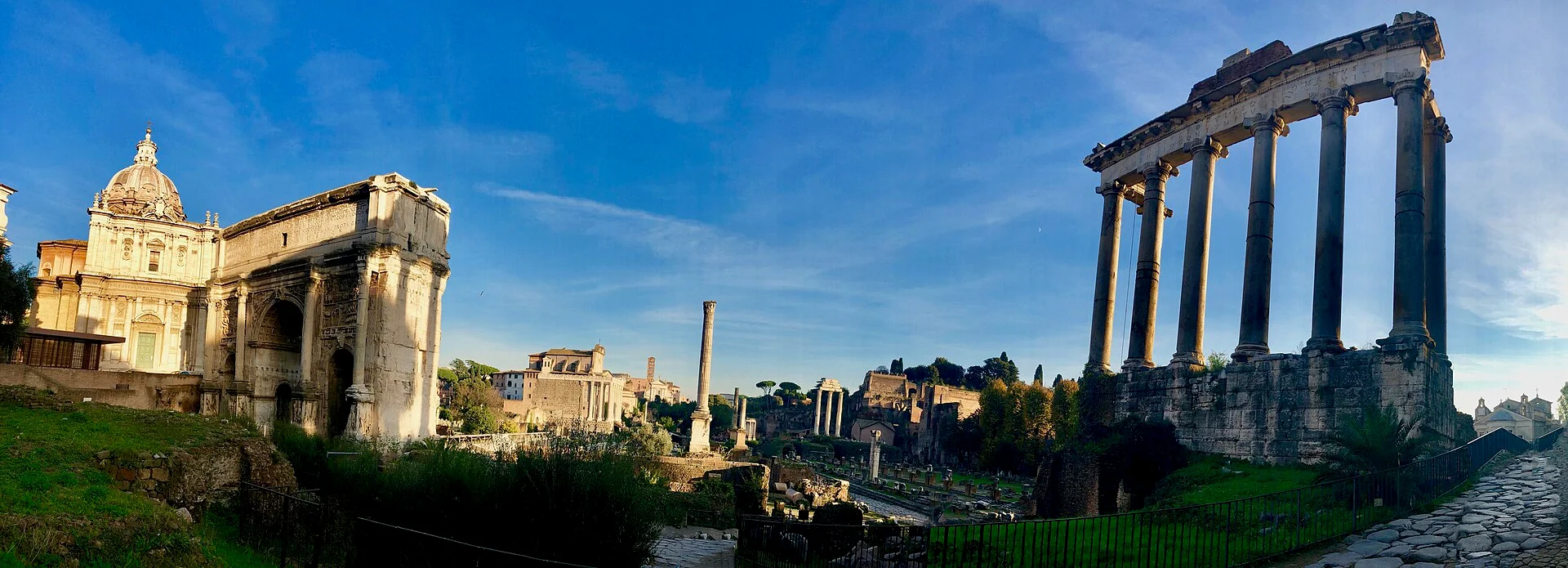
Plan a thoughtful first visit to Rome: connect the Colosseum with the Forum and Palatine, explore the historic centre, and leave time for the city between its landmarks.
Explore Zurich through thirteen popular sights, from Old Town churches and major museums to the lake, botanical garden and Uetliberg.