Rio de Janeiro: Beaches, Sugarloaf and the City Beyond the View
Explore Rio de Janeiro through Sugarloaf, Copacabana, Ipanema, the historic port and forest landscapes, with a thoughtful plan for a first visit.
- Connect Rio’s mountains, Guanabara Bay and Atlantic beachfronts rather than chasing isolated viewpoints.
- Plan Sugarloaf and Corcovado as separate visits, with current ticket and access checks.
- Make space for Centro, Valongo Wharf and Afro-Brazilian history alongside the beach.
- Use flexible area-based outings, with real transport connections and time for meals.
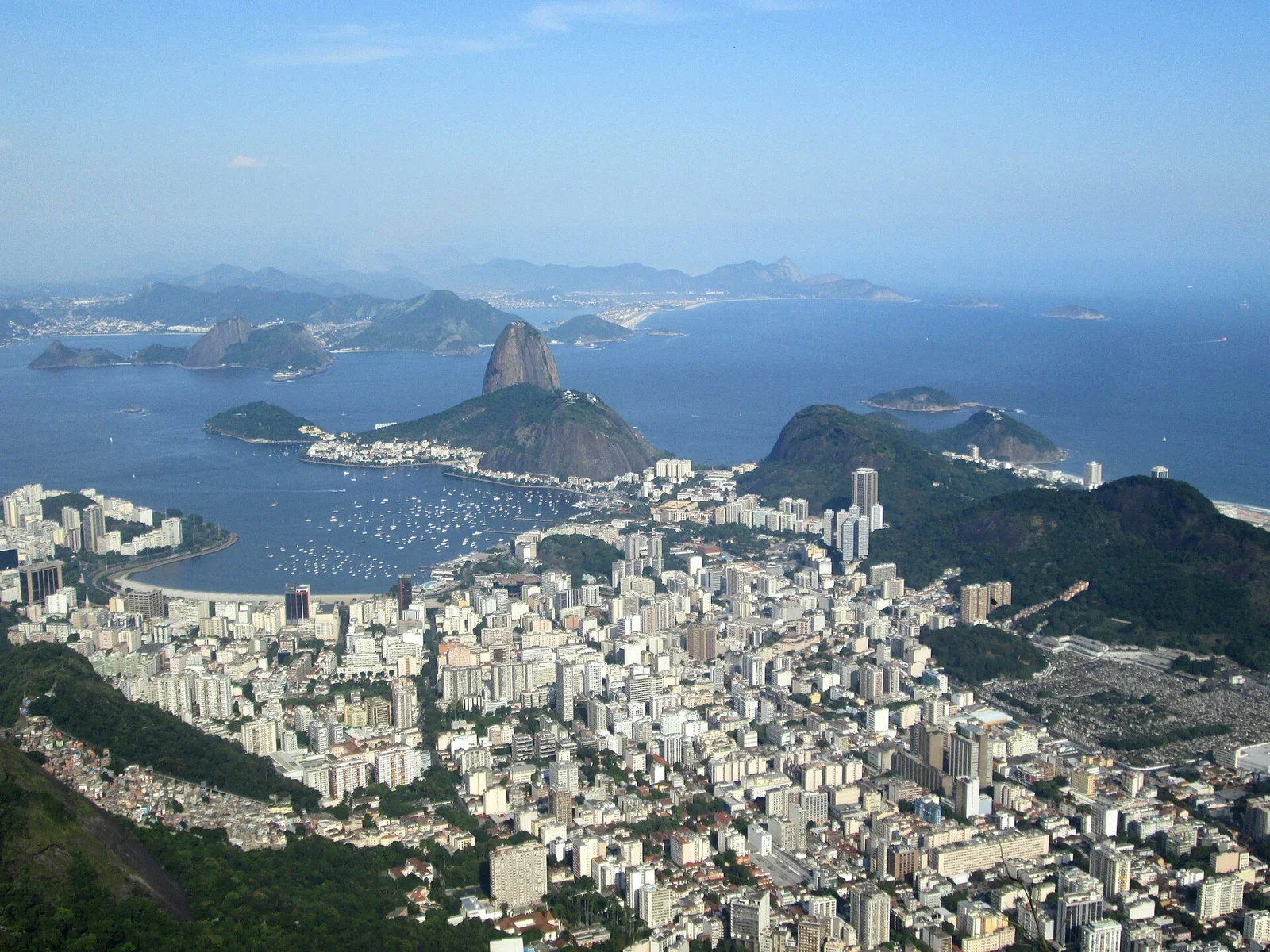
Rio de Janeiro is easy to recognize from a distance: a narrow line of buildings beside the sea, steep mountains behind them and a statue above the forest. The more interesting visit begins when those familiar shapes become separate places. Copacabana is an oceanfront neighborhood, Sugarloaf is a mountain journey, and the old port carries a history that cannot be understood from a viewpoint alone.
One of Brazil’s major cities, Rio deserves a plan built around its geography and its people. This guide connects mountain outlooks, beach life, the historic centre and greener outings without turning them into a race. Choose the experiences that matter most, leave time for the journeys between them, and use the official links below for the arrangements that can change. The aim is to come home with a sense of the city, rather than only its most recognizable photograph.
Start with the shape of the city
Look at Rio on a map before filling a day with attractions. Guanabara Bay, the Atlantic shoreline and forested slopes divide the urban landscape into distinct settings. A place that looks close to another across the water or a mountain may involve a less direct journey on the ground. Choose a few connected areas for each outing, with an actual route back to where you are staying.
UNESCO’s Rio listing recognizes a cultural landscape shaped by the relationship between mountains, forest, water and designed coastal spaces. It is a useful way to look at the city: the view is not simply nature behind a skyline, but the result of people living within and altering a remarkable setting. The listing covers specified landscape components; it does not mean every building or every part of the municipality has the same heritage designation.
Use that broader perspective at street level. Notice where a promenade opens a long view, where the slope interrupts a street and where the city turns towards the bay rather than the open ocean. A first afternoon spent understanding one area can make later visits more rewarding. It also gives you a practical basis for choosing which mountain, beach or cultural outing to keep when time is limited.
Read the coastline from Sugarloaf

Sugarloaf Mountain, or Pão de Açúcar, is a strong first viewpoint because the journey reveals the landscape in stages. The normal cable-car route starts at Praia Vermelha, rises to Morro da Urca and then continues to Sugarloaf itself. These are two separate sections of the outing. Leave time at the intermediate stop to look around and understand what you are seeing before continuing to the higher viewpoint.
The cableway also belongs to the history of Rio’s visitor landscape. Its first section opened in 1912 and the second followed in 1913. Think about the engineering that made this ascent possible, then bring your attention back to the geography: the meeting of water and steep rock, the urban edges around Botafogo and the different curves of the shoreline. A clear day makes those relationships easier to read, but visibility is never part of a ticket guarantee.
Check the operator’s booking page and current notices for your actual date. The official pages reviewed for this guide did not give a fully consistent set of operating hours, so a fixed timetable or last-boarding promise would be misleading here. Wind or lightning can cause temporary interruptions. Keep the return journey in the plan and avoid making a tight onward commitment immediately after the ascent. Our linked Sugarloaf guide explains the entrance, connections and practical checks in more detail.
Treat Corcovado as its own visit
Christ the Redeemer stands on Corcovado, a different mountain from Sugarloaf. The monument was inaugurated in 1931 and is both a major city landmark and a religious place. If it matters to your trip, give it a separate booking decision rather than assuming that one mountain excursion includes the other. The Corcovado Train departs from Cosme Velho and travels through Tijuca National Park; check the exact transport and monument admission included in the product you select.
There is an important current access detail. At the 29 October 2026 research check, the railway’s official visit page carried a works notice saying that the final approach from the second floor to the viewing platform used stone stairs while escalators and inclined lifts were being replaced. It described a remaining stretch of approximately 80 steps after the regular lifts. Visitors who need assistance should read that notice and contact the operator before booking: the stated stair-device arrangements have wheelchair and wet-weather limitations.
That notice should guide your planning more than an older photograph of a lift or a generic claim that the attraction is accessible. It does not mean the monument is closed, and it is not a promise of how the works will stand on your visit date. Recheck it, allow for the physical effort described and keep an alternative outing available when cloud or weather makes the mountain a poor choice.
Give the beachfront more than a photo stop

Copacabana and Ipanema are distinct beachfront settings, not interchangeable names for one long attraction. At Copacabana, the wave-pattern pavement along Avenida Atlântica gives the seafront a strong visual identity. Look at the relationship between the buildings, kiosks, cycle route, promenade and sand. This is a place for daily routines as well as sightseeing, and an unhurried walk can reveal more than a quick stop at the best-known curve of beach.
Ipanema brings another part of the city into view. Its cultural association with bossa nova sits alongside the ordinary activity of an urban beach and its surrounding streets. Choose a section of waterfront, make time to sit and look, and decide whether you want the outing to continue into a meal or a neighborhood walk. You do not need to cover both beachfronts in one session for either to feel worthwhile.
A walk beside the ocean and a swim are separate decisions. Follow current beach warnings and lifeguard advice, and do not infer water conditions from a calm-looking or brightly colored photograph. Keep cycle routes clear when stopping to take pictures, look after belongings and allow for shade, drinking water and a break from the exposed waterfront. A quieter interval in a café can be part of the day, rather than time lost between attractions.
Let Centro and the port complicate the postcard
Rio’s history gives the centre a different importance from the beachfront. The city was founded in 1565, became the colonial capital in 1763 and remained Brazil’s capital until the transfer to Brasília in 1960. Those changing roles help explain why a visit should include civic and historic places as well as the familiar natural skyline. Choose one part of the centre or port to explore with context, rather than treating historic buildings as a sequence of façades.
Valongo Wharf requires particular attention. Its archaeological remains preserve a landing place used for enslaved Africans from 1811, and UNESCO recognizes it as a place of memory connected to the transatlantic slave trade. Approach it with that history in mind. It belongs to the story of Afro-Brazilian presence, resistance and remembrance, and should not be reduced to an attractive old waterfront or a decorative stop on a sightseeing route.
Reading the available interpretation or choosing a suitably informed local guide can give this part of Rio greater depth. If you add a museum, select it for the subject you actually want to understand and confirm its current exhibitions and admission arrangements. The Museum of Tomorrow offers another possible port-area visit, with its own programme and booking conditions. Leave enough time for the place you choose instead of assuming several institutions can be fitted between unrelated appointments.
Look closely at Lapa and the Selarón steps
The white arches at Lapa began as the Carioca Aqueduct. Seen from the surrounding streets, they make an architectural counterpoint to the mountain-and-sea image of Rio: a piece of infrastructure that has become a recognizable urban landmark. Read the shape and repetition of the arches, but also look at the city around them. Architecture, traffic, businesses and cultural activity share the same setting.
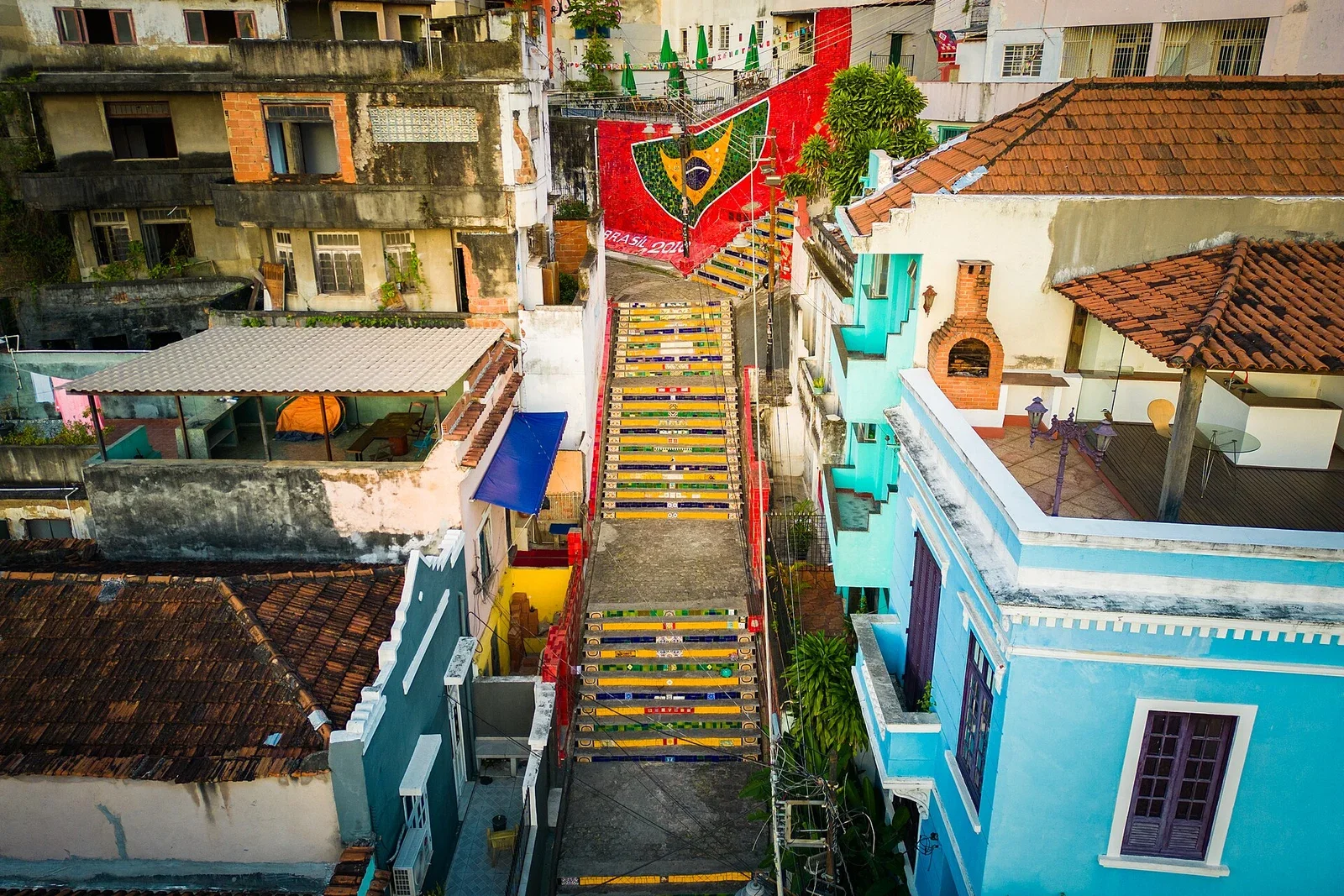
The Escadaria Selarón links streets in the Lapa and Santa Teresa area. Created by Chilean artist Jorge Selarón, the staircase brings together tiles from Brazil and other parts of the world. The interest is in the detail as much as the overall field of color. Look for individual patterns and the way the mosaic sits within an inhabited streetscape. Keep passage clear and respect the artwork and the people using the steps.
A daytime visit to architecture and public art is different from planning an evening of music. For a performance or a meal, check the actual venue, programme, entry arrangements and return transport rather than assuming that every night offers the same experience. Give an evening its own purpose. A confirmed event you want to attend can be a better plan than moving between addresses in the hope of finding an unspecified version of Rio nightlife.
Choose a garden or forest outing deliberately
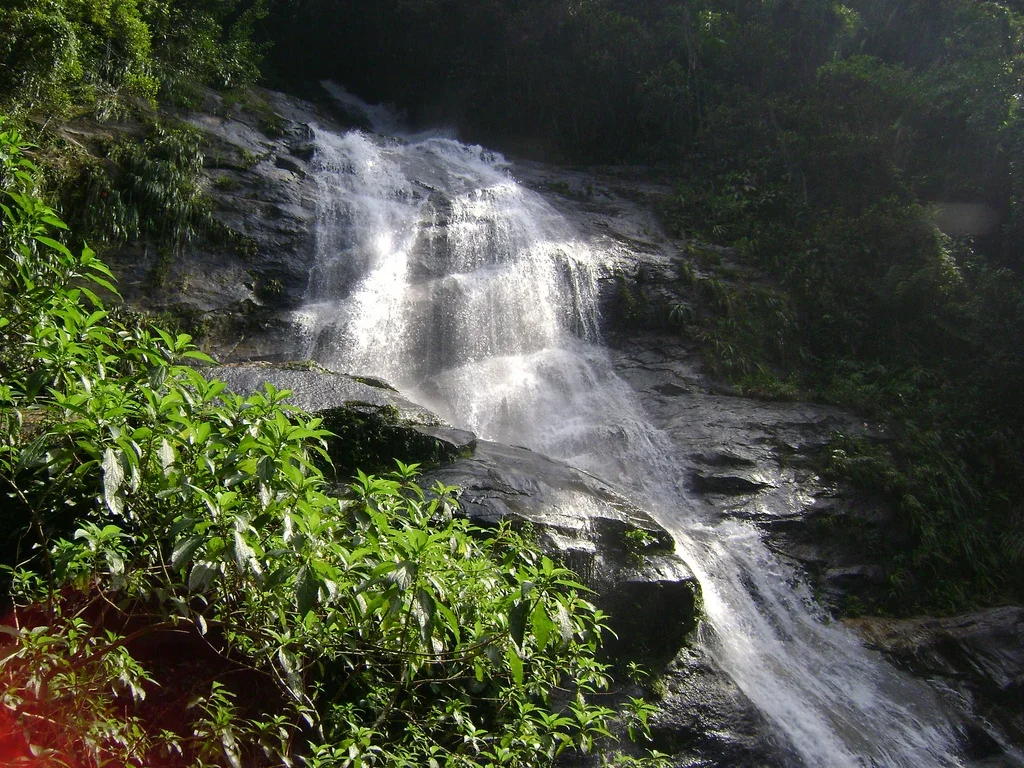
Rio’s greenery is not a single attraction with one entrance. The Botanical Garden, Parque Lage and the different areas of Tijuca National Park need separate decisions and access checks. For a first visit, a defined garden outing may suit a different day and energy level from a forest trail. Choose the experience first, then identify the correct entrance and the transport that serves it.
The Botanical Garden’s official visitor service provides the route to current admission information for its arboretum. Use that information to plan a deliberate visit rather than treating the garden as a shortcut to another attraction. A forest outing asks different questions: which trail, what level of effort, what equipment and what conditions? Consult the national park’s current visitor guidance and choose a route that matches your group’s abilities.
Stay on designated routes, respect closures, take litter out and leave wildlife undisturbed. The archival forest photograph in this guide illustrates a landscape, not permission to enter a particular trail or swim at a waterfall today. If weather or access changes make your first choice unsuitable, select a different outing. A successful visit is one that fits the conditions and the people taking part, not necessarily the most ambitious route on a map.
Leave room for food and ordinary city life
Meals are one reason to give an area enough time. A waterfront kiosk, a neighborhood café and a sit-down restaurant ask for different amounts of time and offer different settings. Rio’s official beach guide mentions mate with lemon and biscoito Globo as familiar beachfront snacks; consider them part of a wider food experience rather than a list of compulsory purchases. Read the current menu and choose what suits your appetite and dietary needs.
Check prices, service arrangements and any reservation requirement directly with the business you select. This guide does not provide live restaurant availability or verified current menu prices, and it does not turn an attractive frontage into a recommendation for an unresearched venue. Where ingredients matter, ask clearly rather than relying on the name of a dish. A relaxed lunch can be a useful pause between walking and a later booked visit.
The same approach helps when choosing a base. Compare accommodation with the actual outings on your map, including the nearest useful transport stop, the last leg from that stop and your return arrangements. Staying beside a famous beach does not automatically make every destination convenient. Choose a base for the trip you intend to make, then give its everyday streets, cafés and shoreline some attention of their own.
Plan the whole journey, including the last connection
For public transport, begin with MetrôRio’s official network and payment information. Its current payment page lists contactless card options alongside other ticket products, but that is not a promise that the same method works across every bus, rail or municipal service. Check the particular journey you plan to make, including any transfer and the final connection between a station and an attraction entrance.
For Sugarloaf, the operator’s FAQ describes a connection from Botafogo metro using bus 513. Recheck that advice and the service information for the day, rather than treating a route number in an article as a permanent operating guarantee. For Corcovado, distinguish the train’s Cosme Velho departure from other transport products and boarding points. Knowing the name of the landmark is not enough to identify the entrance on your booking.
Build flexibility into the day that contains a mountain view. Look at the forecast and the operator’s notices before setting out, and choose a garden, museum or another appropriate urban visit when conditions do not suit your first plan. Confirm accessibility requirements for the whole route, including station access and the attraction’s final approach. Keep useful addresses available in their local spelling and make a clear plan for returning to your accommodation.
Build a first visit with three connected outings
One useful way to organize a first stay is to think in three groups: an oceanfront outing, a Sugarloaf-and-Urca outing, and a centre-and-port outing. This is a planning framework, not a fixed three-day itinerary or a guarantee of how long each visit will take. Your available time, the weather and the places that matter most should determine how many of these groups you keep.
Within a group, choose one main reason to go and leave space around it. A beach walk can lead into a meal and time in the neighborhood. A mountain visit can be followed by a slower interval in Urca if the actual transport and conditions suit. A cultural day can focus on the history of the port, with one museum or guided visit rather than a long list of interiors. Corcovado or a forest excursion can become another distinct outing when the stay allows it.
The most memorable version of Rio is unlikely to be a completed checklist. It may be the point when a view from a mountain makes sense of the water below, when a familiar beach becomes a lived neighborhood, or when a historic site changes how you understand the city. Give those connections time to happen. Finish with a plan you can explain simply: where you will go, why it matters, how you will reach it and how you will get back.
Before you go
- Choose the main areas and one central reason for each outing.
- Check the exact entrance, booking product and return arrangements for each landmark.
- Read the current Corcovado works and accessibility notice before booking.
- Check mountain weather, beach warnings and park access separately.
- Use current operator information for transport, prices and opening arrangements.
- Keep original place names and important addresses available offline.
- Respect public art, places of worship, local streets and protected landscapes.
Your questions, answered
Are Sugarloaf Mountain and Christ the Redeemer the same visit?
No. Sugarloaf uses the cable-car route from Praia Vermelha via Morro da Urca. Christ the Redeemer is on Corcovado, with separate access arrangements and booking products. Plan the entrance and transport for the one you choose rather than assuming a combined admission.
How much should I try to fit into a first Rio trip?
Begin with the available time and choose a few connected areas. An oceanfront outing, a Sugarloaf-and-Urca focus and a centre-and-port cultural visit form a useful framework, but they are not a fixed timetable. Add Corcovado, a garden or a forest outing only when the stay and current conditions allow it.
Is the Corcovado visit currently step-free?
Do not assume it is. At the 29 October 2026 research check, the official railway visit page described ongoing access works and a final approach by stone stairs, with specific limitations on assisted stair devices. Read the current notice and discuss your exact mobility needs with the operator before purchasing.
Do the photographs show present-day access and conditions?
They are real, credited photographs with the source context recorded in their captions. An archival image does not establish today’s weather, water conditions, opening arrangements, building condition or trail access. Use the official visitor links for your own dates.
About this story
This story completed TourPedia’s editorial and photograph checks before publication. Visiting arrangements can change; check current information before travelling.
Our editorial approach