London: 13 Popular Places to Visit, from Museums to Kew
Explore thirteen of London’s popular attractions, from the Natural History Museum and Tower to Greenwich and Kew, with detailed guides and a realistic trip plan.
- Thirteen distinct attractions represented in the 2025 ALVA member figures.
- South Kensington museums, central art, the Thames and dedicated Greenwich and Kew outings.
- Fifteen different TourPedia reading links, plus the official operator information.
- Real documentary photographs with visible creators, licenses and capture context.
London is England’s capital and the UK’s most populous city, but a good visit happens at a smaller scale: a specimen that changes how you see an animal, a painting that holds your attention, a church interior or a quiet comparison between two plants. Its famous places deserve time. The challenge is choosing how they fit your interests, rather than seeing how many entrances you can pass in a day.
This guide introduces thirteen popular places represented in ALVA’s 2025 member-attraction figures, including eleven with more than two million recorded visits. The Natural History Museum, British Museum, Tate Modern and National Gallery are among the major draws. The selection also includes a fortress, working churches, a cultural centre, Greenwich’s museum group and Kew. The sequence below is a planning order, not a claim that these are London’s exact top thirteen or that group totals describe a single building.
You will find a separate TourPedia guide for each place, plus the London and United Kingdom guides: fifteen distinct internal reading links together in the article’s visitor-links section. Use them to turn a broad choice into a visit with the right entrance, ticket and current checks. The practical information was checked on 30 October 2026 and should be checked again for your actual travel date.
Natural History Museum, London: begin with wonder
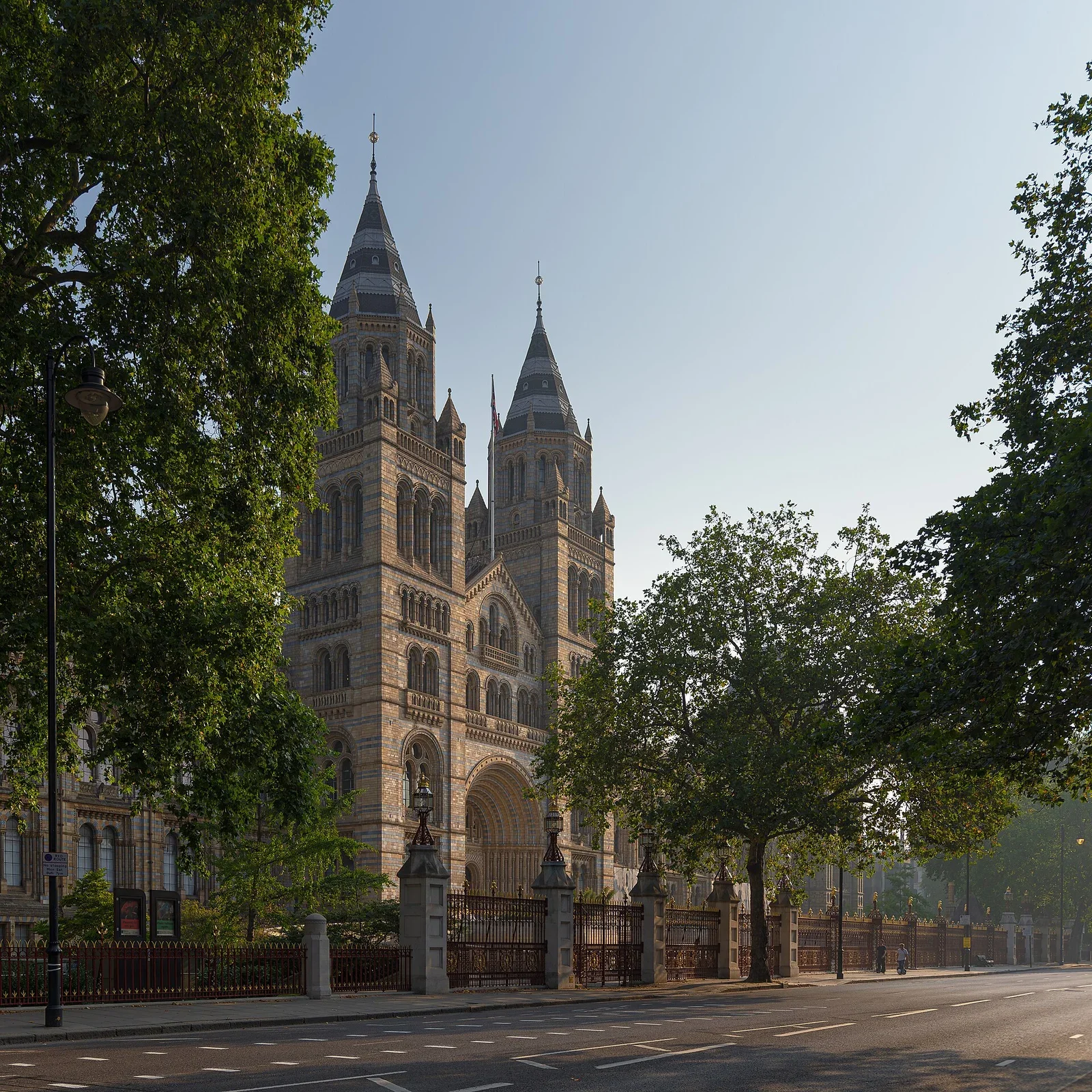
Start by looking up. In Hintze Hall, the blue whale skeleton known as Hope changes the apparent scale of the room: an enormous animal hangs within an equally ambitious architectural setting. The Natural History Museum is an excellent first choice if your group includes different ages or interests, because a visit can begin with something immediately striking and develop into questions about fossils, minerals, biodiversity and the planet.
Give the hall a few minutes before following the strongest pull towards another gallery. Compare the whale’s shape with a smaller specimen, then ask what its skeleton reveals about movement and life in water. Elsewhere, choose one subject that interests you instead of trying to complete the museum. A focused dinosaur, Earth-science or wildlife outing can leave clearer memories than passing every case at speed.
The permanent galleries are free. The museum recommends a free entry ticket to guarantee admission, and special exhibitions can have separate tickets. Security and queues still take time. Read the current museum map before promising a particular exhibit to a child: a famous object, an old floor plan and a current accessible route are three different things.
South Kensington also contains the V&A and Science Museum, but their proximity is an invitation to choose well. Make this your main visit, leave time to eat, and add another institution only if everyone still has the energy. Our dedicated Natural History Museum guide gathers the entrance and gallery-planning questions in one place.
British Museum: follow a thread through world history
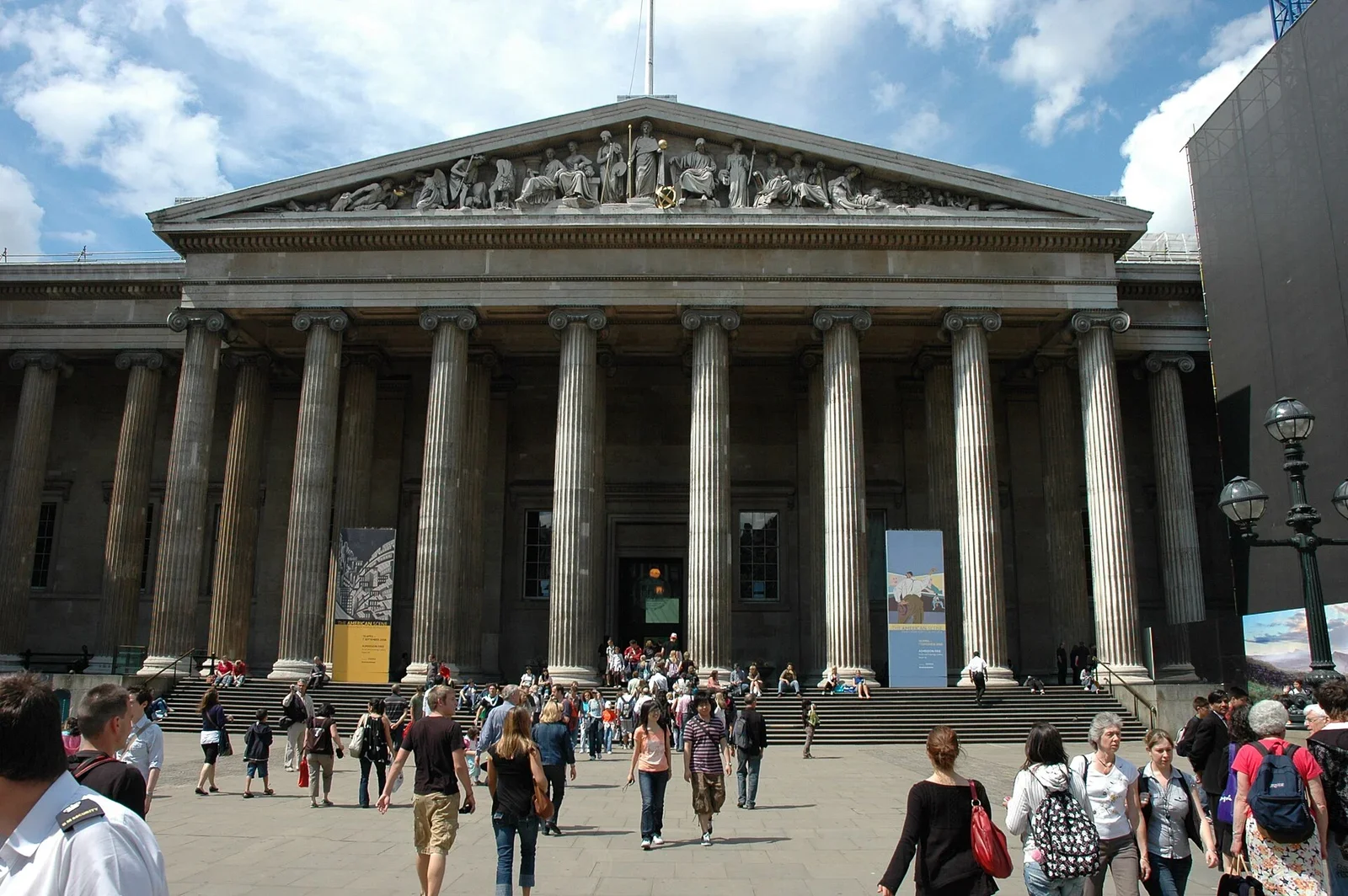
The British Museum can make a short London stay feel suddenly much larger. Its collections range across cultures and long stretches of human history, while the glass-roofed Great Court provides a bright place to get your bearings. Decide what you want to understand before you start: writing, belief, trade, power or the making of an everyday object can each become a rewarding thread.
The Rosetta Stone is a natural starting point for an interest in language and decipherment. Its importance lies in the relationship between different scripts, not simply in being a famous stone behind glass. After a celebrated object, look for a quieter case nearby and notice how a fragment, tool or piece of jewellery can open a different account of the past.
Give acquisition histories and contemporary interpretation the same attention as dates and materials. A museum object has travelled through more than one context before reaching its present display. Understanding that journey makes a visit more thoughtful and avoids reducing a culture to a handful of internationally familiar treasures.
General admission is free, with a pre-booked timed ticket recommended for guaranteed entry; special exhibitions have their own arrangements. Check the current map, gallery closures and luggage rules. Bloomsbury works well as a separate half-day rather than an extra stop squeezed between South Kensington and Greenwich. Follow our British Museum guide for a deliberate route.
Tate Modern: look at art at industrial scale
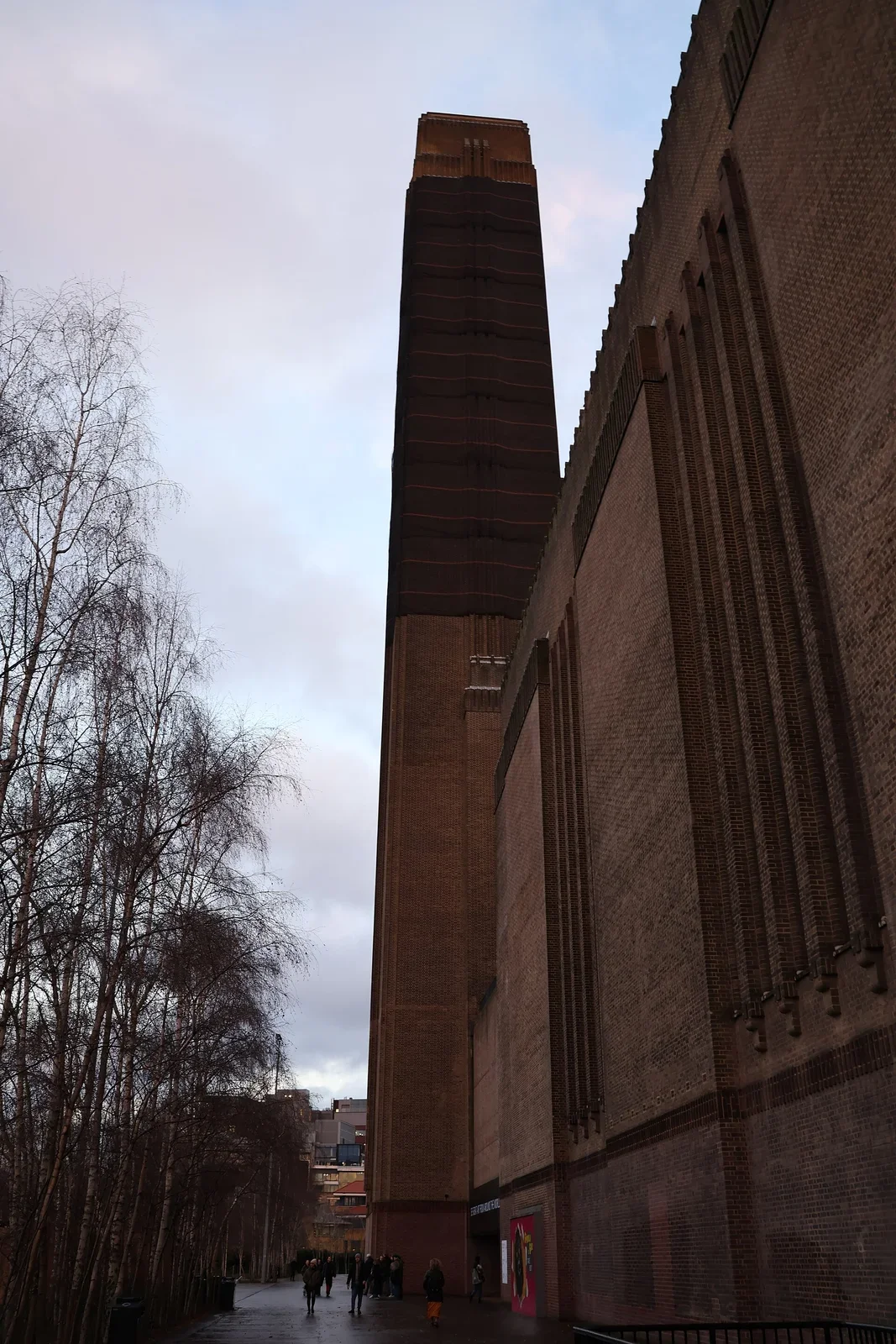
At Tate Modern, the building is a powerful first encounter. The old power station’s brick mass and chimney make sense from the river, while the Turbine Hall introduces a scale that can transform your expectations of an art museum. Begin with the space itself, then decide which current collection displays or exhibition you want to give real attention.
Modern and contemporary art rewards curiosity more than recognition. Choose one work that puzzles you and spend time with its materials, size, sound or use of the room. Read the label after making your own observations. You do not need to like every work to leave with a sharper question about what an artist is trying to do.
The collection is free to visit; particular exhibitions and events may require payment or booking. An installation in an old photograph is not a permanent feature of the Turbine Hall. Check the current programme if a particular artist is the reason for your trip, and check accessibility or sensory information for the actual work and room.
Bankside provides a useful outdoor interval after the galleries. A crossing towards St Paul’s can connect two very different buildings, provided your timings and route allow it. Avoid placing paid cathedral entry immediately after an exhibition whose length you cannot predict. Our Tate Modern guide helps separate a short collection visit from a more concentrated exhibition day.
National Gallery, London: make time for close looking
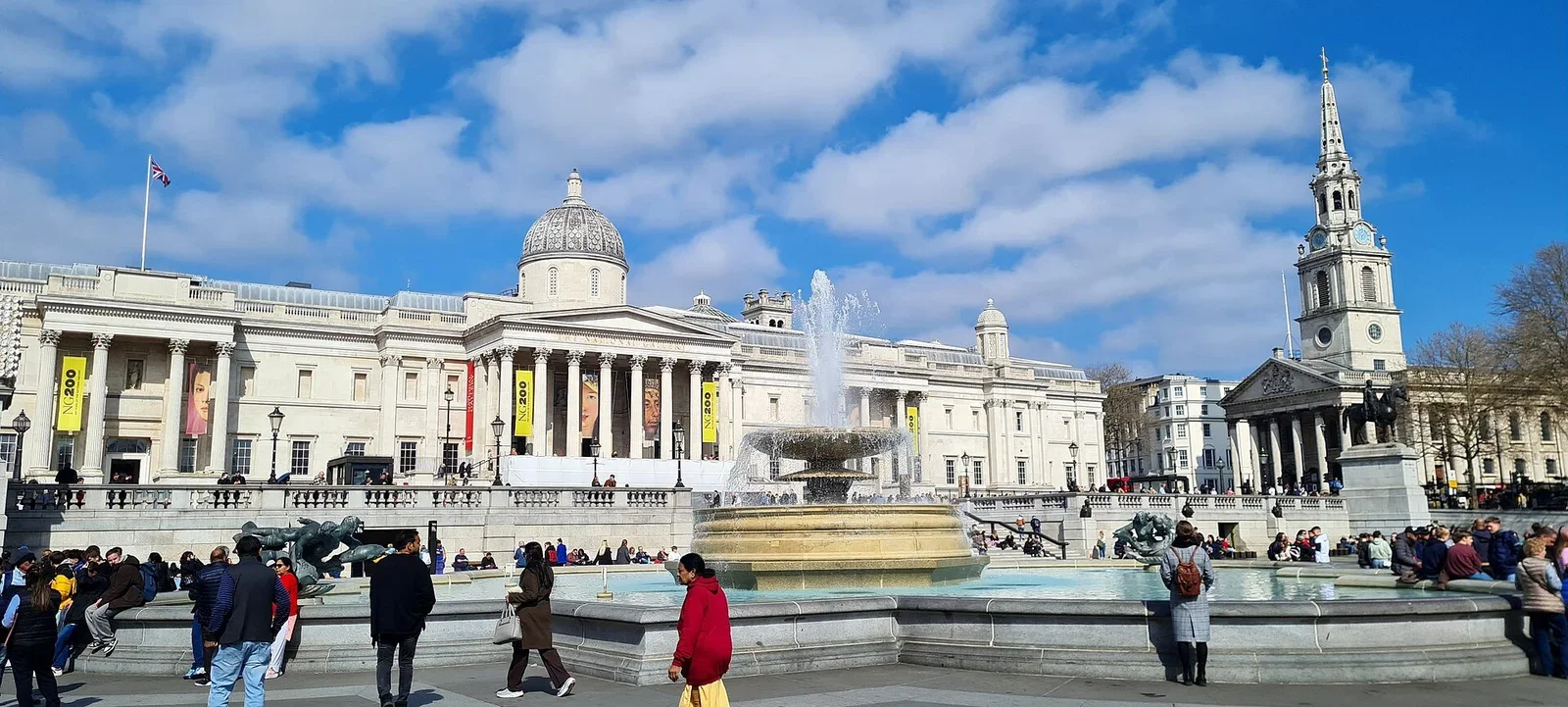
Trafalgar Square gives the National Gallery a grand approach, but the most rewarding part of the visit happens at the scale of a painting. Choose a theme you can carry between rooms: a face turned towards the light, a horizon, a gesture or the way a painter makes a surface appear to shine. That small decision can turn a large collection into a personal route.
The collection includes artists such as Turner and Van Gogh, but recognition is only the start. Compare how two painters arrange space or suggest weather. If a picture is especially familiar, look for something a reproduction tends to hide: brushwork, scale or the relationship to neighbouring paintings. Leave time to return to a favourite before leaving.
At the 30 October 2026 check, the principal visitor entrance was through the Sainsbury Wing, at the corner of Pall Mall and Whitcomb Street. The Gallery also reported building work affecting some rooms and paintings. Check the current floor plan and the location of any essential work rather than following an old gallery itinerary.
General admission is free, with free fast-track booking and walk-up entry offered; some exhibitions charge separately. Build in time for security. This is a useful central anchor for a day that also includes a walk towards the Strand, rather than another full museum immediately afterwards. Our National Gallery guide explains how to make that choice.
Southbank Centre: leave space for live culture
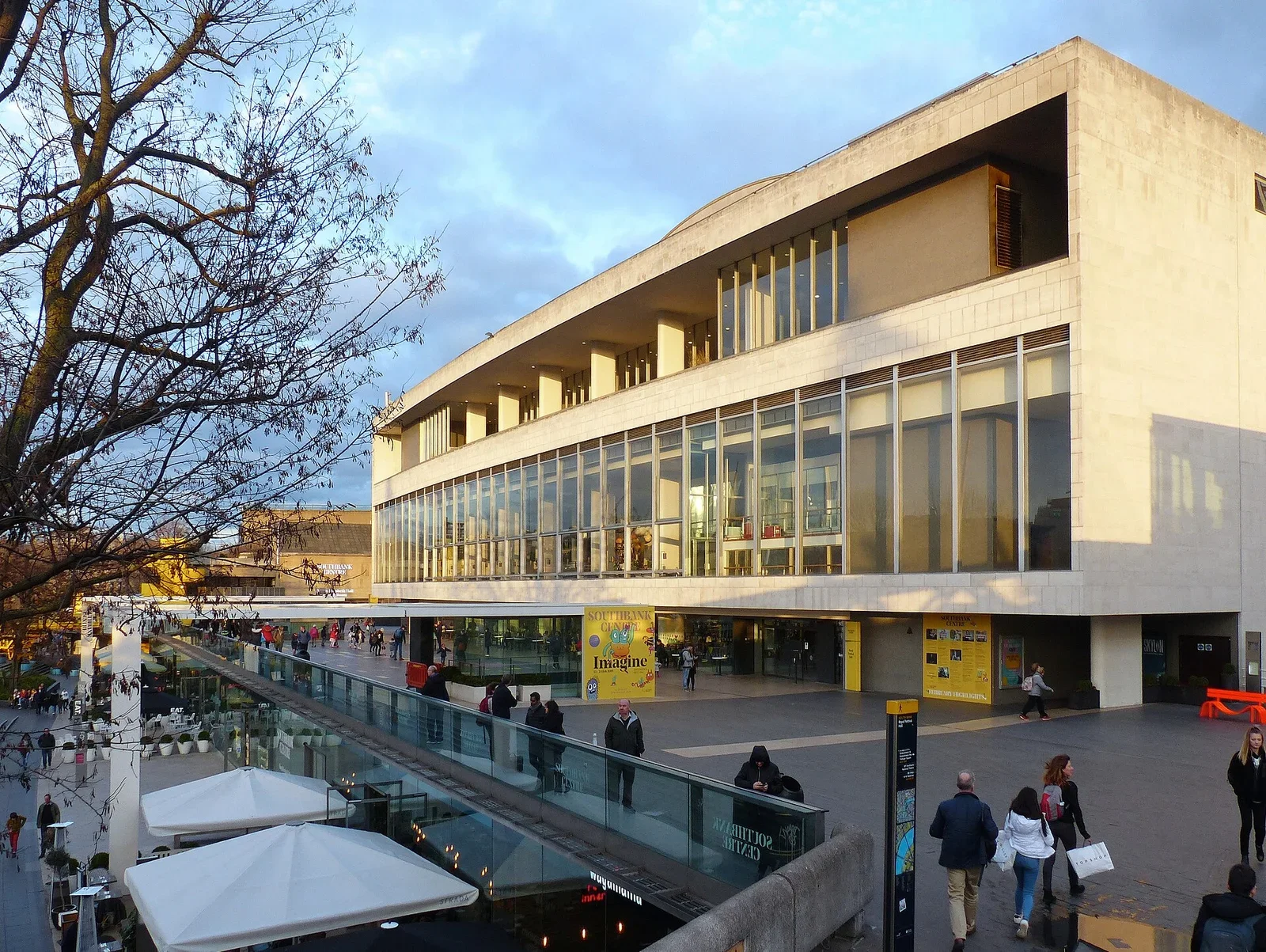
The Southbank Centre offers something a famous-object itinerary often misses: time in an active cultural place. Royal Festival Hall faces the river with a very different architectural language from the stone institutions on the opposite bank. Come for a booked performance, a specific event or simply the experience of a public arts building when its foyers are open.
Look at the relationship between terraces, entrances, the riverside route and the people using them. The Festival Hall opened for the Festival of Britain in 1951; that post-war context adds meaning to its light and generous public spaces. An unhurried pause here can be part of understanding London rather than an interruption to sightseeing.
A foyer visit is different from admission to an auditorium or exhibition. Read the programme for the exact venue, start time and ticket. At the 30 October 2026 check, current venue and help pages listed Royal Festival Hall as closed on Mondays and open Tuesday to Sunday, despite older text describing daily access. Use the current calendar rather than the older wording.
This is a good place to leave room in the day. You can pair a shorter visit with the river, or make an evening event the main reason for coming. Check the journey home as well as arrival, especially after a late performance. Our Southbank Centre guide distinguishes public-space access from the individual venues and events.
V&A South Kensington: discover the intelligence of making
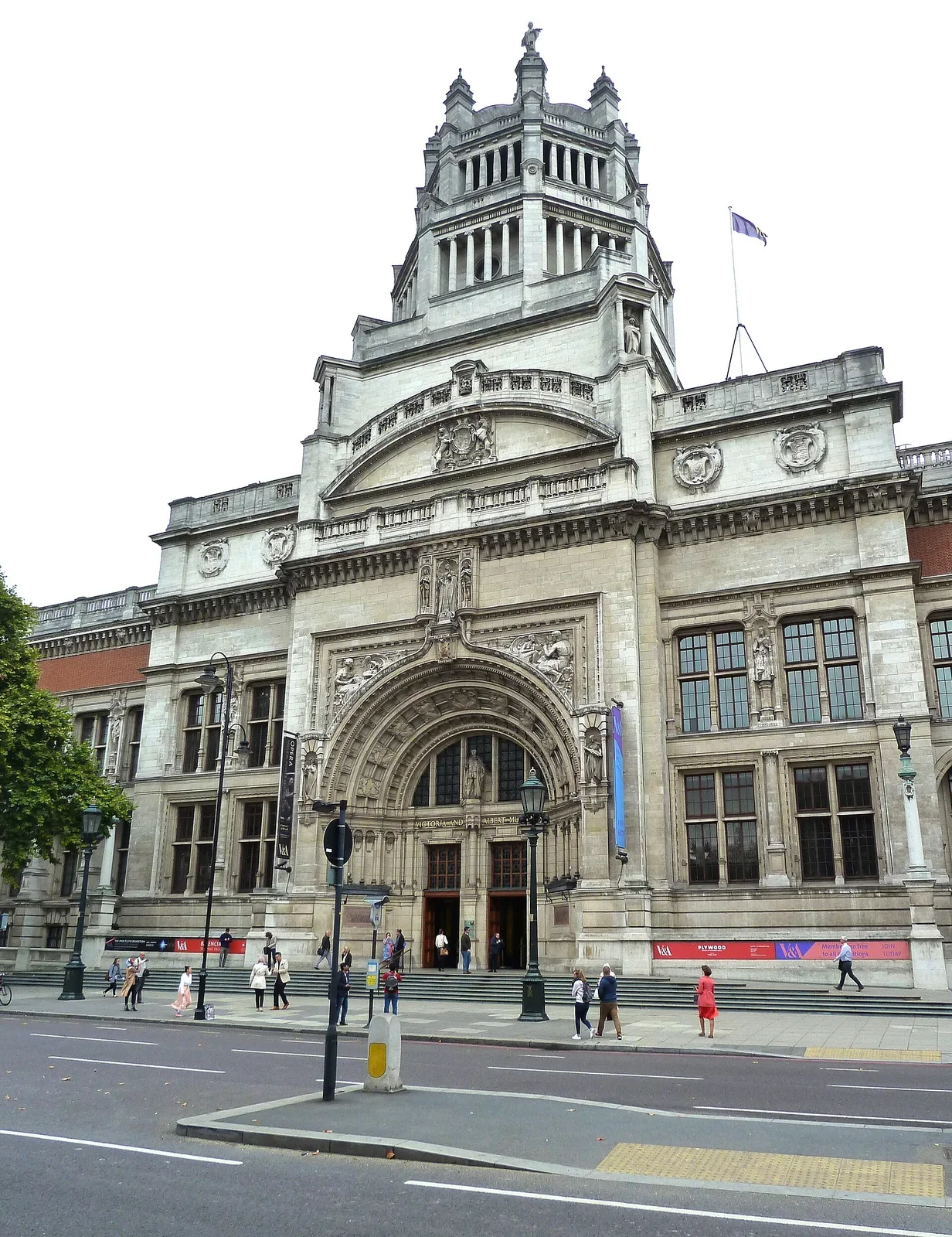
The V&A is a place to look closely at how things are made. A garment, a piece of furniture, a ceramic vessel and an architectural fragment can all ask related questions about skill, function and the people who used them. Begin with a material or an interest of your own, then follow it into a few selected galleries.
Design becomes easier to understand when you imagine an object in use. How was it held, worn, displayed or moved? What choices did the maker face, and what could the owner afford or want others to see? These questions give the museum a different rhythm from a gallery organised mainly around paintings.
South Kensington general admission is free; temporary exhibitions and some events have separate charges. Confirm the actual site: V&A South Kensington, Young V&A and the V&A’s east London venues are different visits. A booking for one should not be treated as an address for another.
The museum can be the principal visit in the South Kensington cluster, with another museum left for a different day. On 30 October 2026, the operator said planned industrial action for 29–30 October had been suspended, while advising visitors to check individual events. Such short-lived notices are a reason to check close to arrival. Our V&A guide helps you prepare a focused visit.
Somerset House: meet contemporary culture in a historic frame
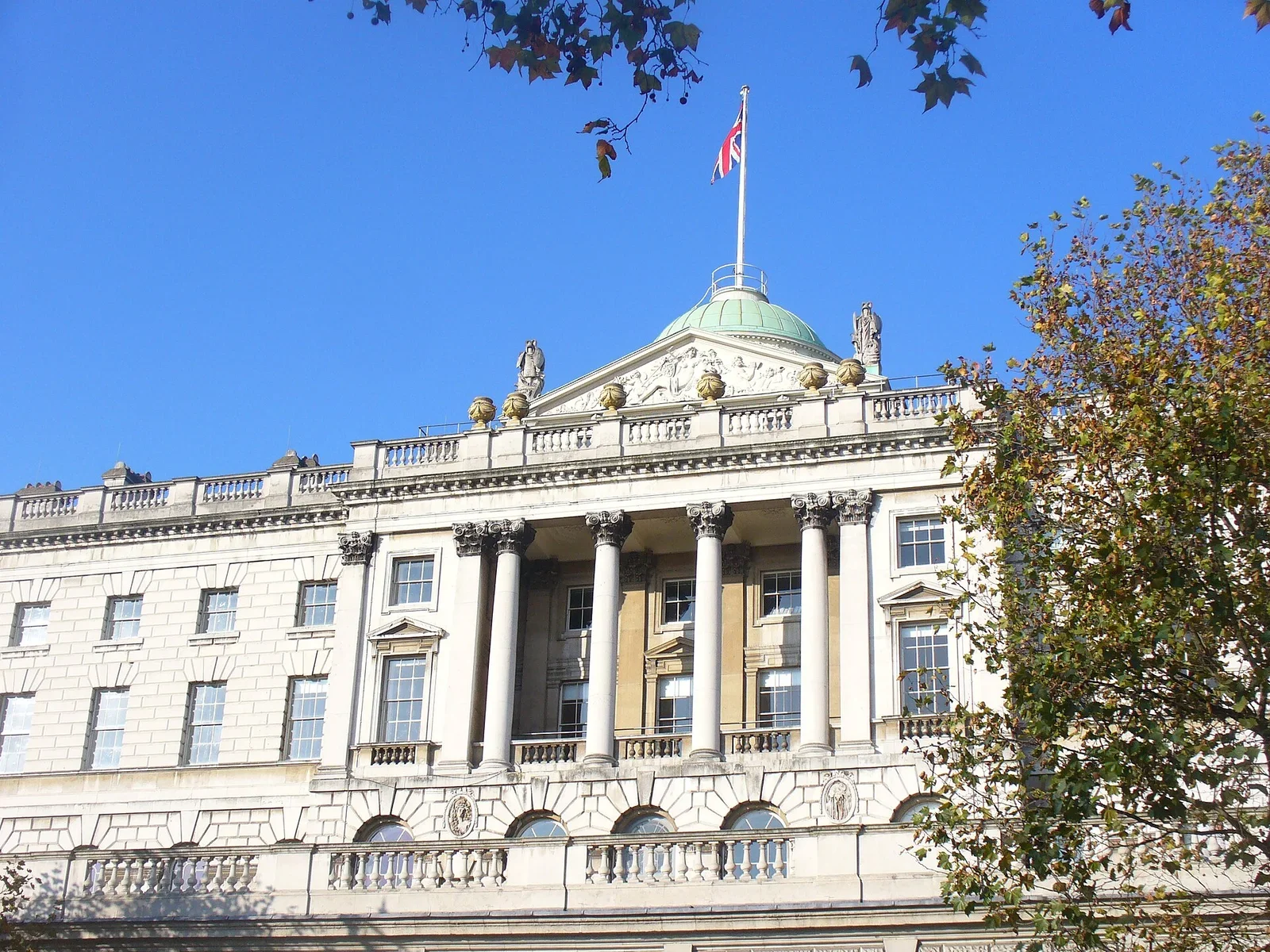
Somerset House changes the mood of a walk along the Strand. Its formal architecture introduces an enclosed cultural setting close to the movement of central London. Give the exterior a moment before choosing what to enter. A courtyard visit, an exhibition and a visit to the Courtauld Gallery are different ways to use the same wider complex.
The interest comes partly from the meeting of an old architectural frame and contemporary work. Look for a programme that suits your curiosity rather than assuming that any event in a famous building will be right for you. A photography, design or cultural exhibition may deserve a dedicated visit with time to think afterwards.
Do not assume that a photograph of a summer courtyard describes the scene you will find. At the 30 October 2026 check, Somerset House’s visitor page said the courtyard fountains were switched off. Events, installations and seasonal arrangements can change how spaces are used. Confirm the courtyard and programme on your actual date.
It can work well after a shorter National Gallery visit, but leave enough time for the Strand and a break between indoor stops. Check the specific exhibition or gallery’s admission rather than treating general building opening as a universal ticket. The Somerset House guide brings those distinctions together with the practical approach.
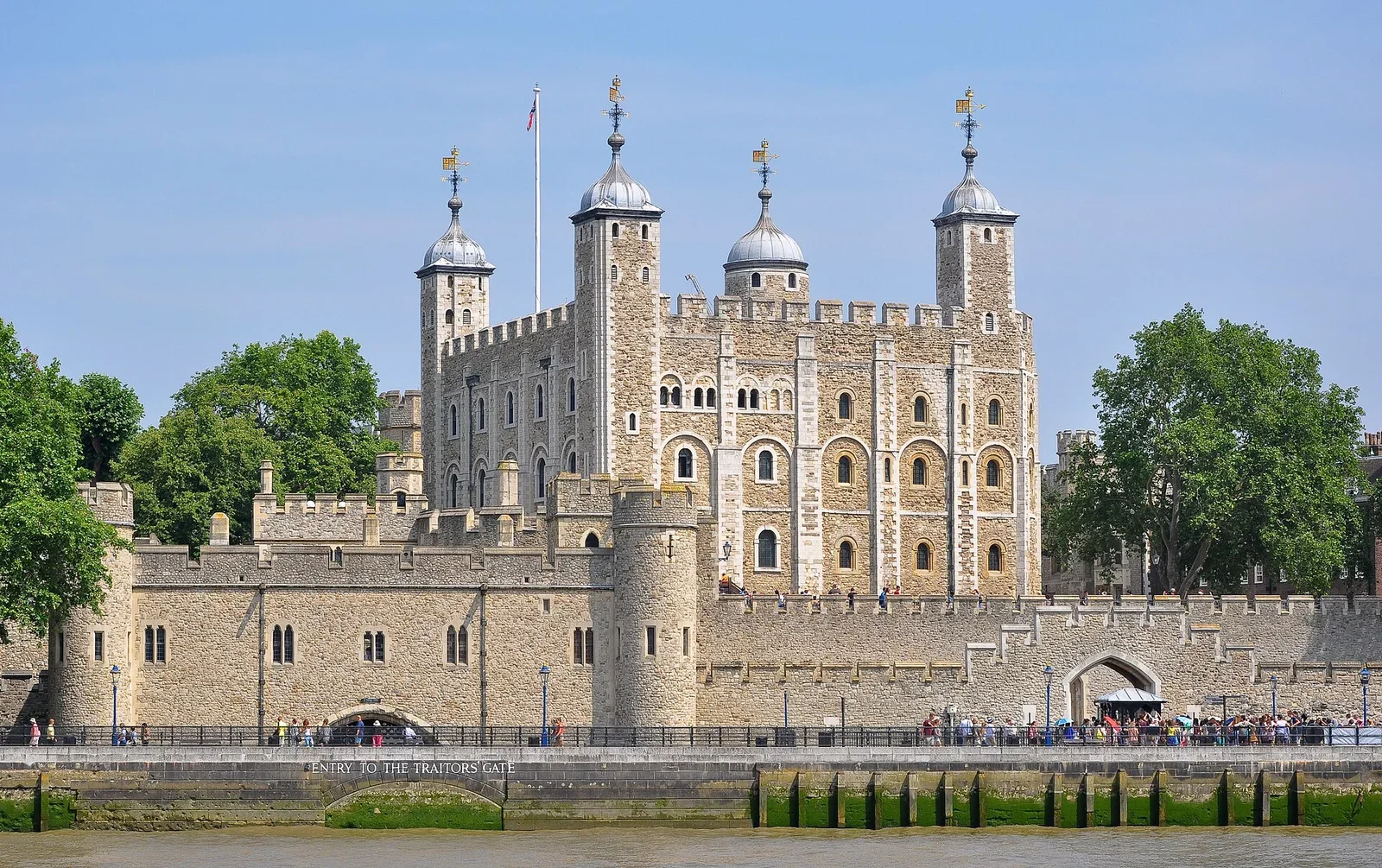
Tower of London: read the fortress behind the royal stories
The Tower of London is more than a single tower. From the river, its walls and the White Tower establish the relationship between royal authority and a strategic city position. Inside, the experience moves between buildings, open spaces and very different stories. Plan this as a substantial visit with a clear priority, not a brief stop between photographs of bridges.
The Crown Jewels are a major reason to come, but the wider fortress deserves attention too. Consider how gates, walls and changes of level control movement. Read the account of a particular prisoner or royal household against the physical setting rather than letting a list of dramatic names replace the place itself.
Use Historic Royal Palaces’ current ticket and route information. Queues for a particular display, a scheduled Yeoman Warder tour and your arrival time need to work together. Some areas involve steps and uneven surfaces, so consult the actual access information. Large or rolling luggage is not permitted and the operator does not provide left-luggage facilities.
Allow an outdoor interval afterwards rather than booking another large indoor visit too tightly. The nearby river helps explain why the fortress stands here, while Tower Bridge is a separate attraction with separate access. Our Tower of London guide focuses on the complex itself and the questions to settle before entering.
Science Museum, London: ask how invention changes lives
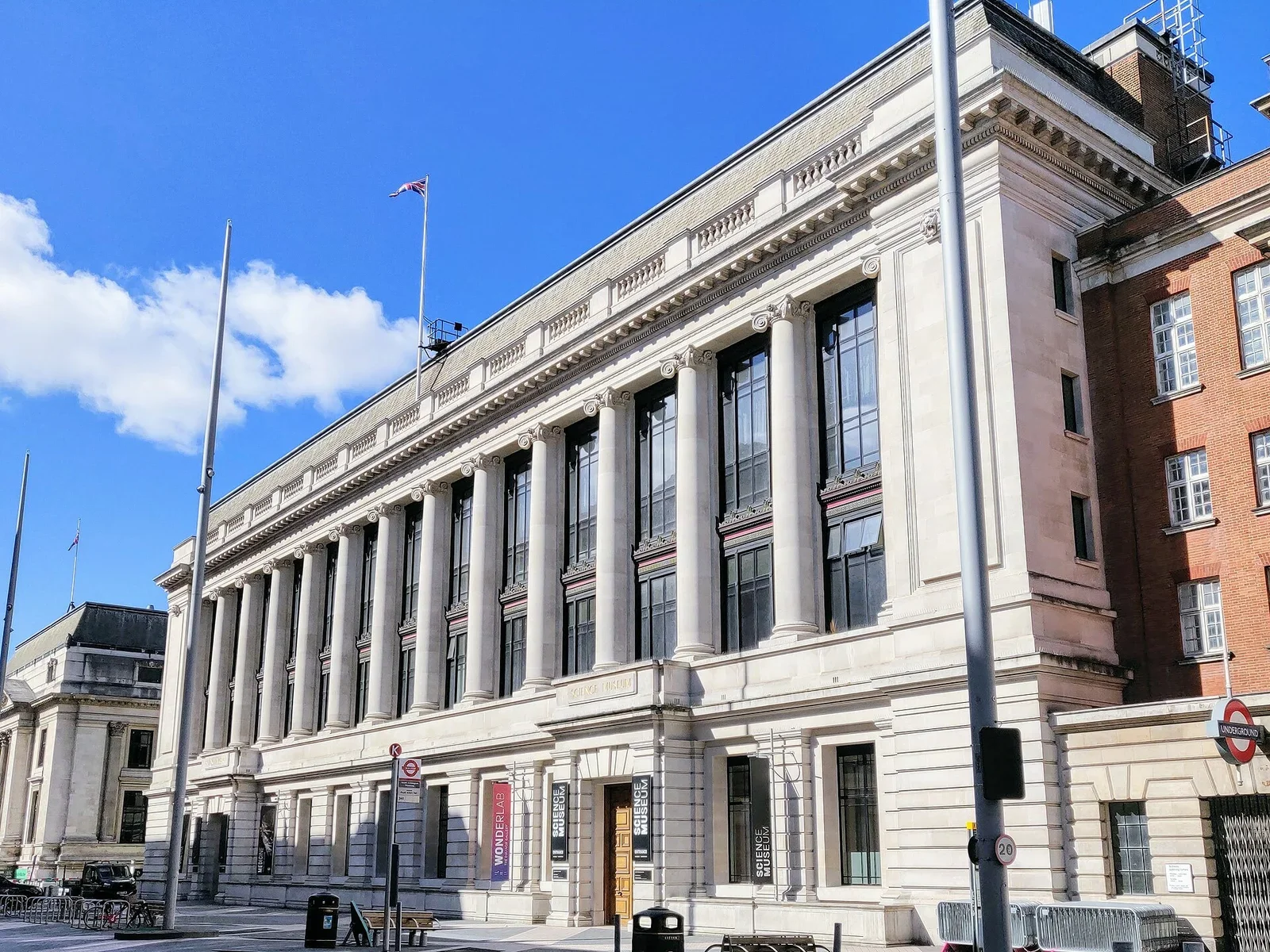
The Science Museum is strongest when a remarkable object leads to a question about people and invention. A machine is more interesting when you ask what problem it addressed, how it worked and whose lives changed because of it. Choose a subject that interests your group and give the objects enough time to become more than silhouettes in a large room.
For space enthusiasts, use the current Space gallery rather than an old guide to Exploring Space. The museum’s current gallery page places Apollo 10 and Soyuz spacecraft together, creating an opportunity to compare different journeys and engineering choices. Looking at a real flown object can make distances and physical constraints easier to imagine.
General admission is free but requires a pre-booked ticket. Interactive experiences, films and temporary exhibitions can have separate conditions and charges. Check the exact activity before promising it as part of the visit; a general ticket does not include every bookable experience.
Keep the rest of the South Kensington day flexible. A focused Science Museum visit followed by a meal may work better than attempting three complete museums. If you add a second institution, choose a small purpose for it. Our Science Museum guide keeps the current gallery and admission distinctions clear.
Royal Museums Greenwich: choose a maritime or astronomical journey
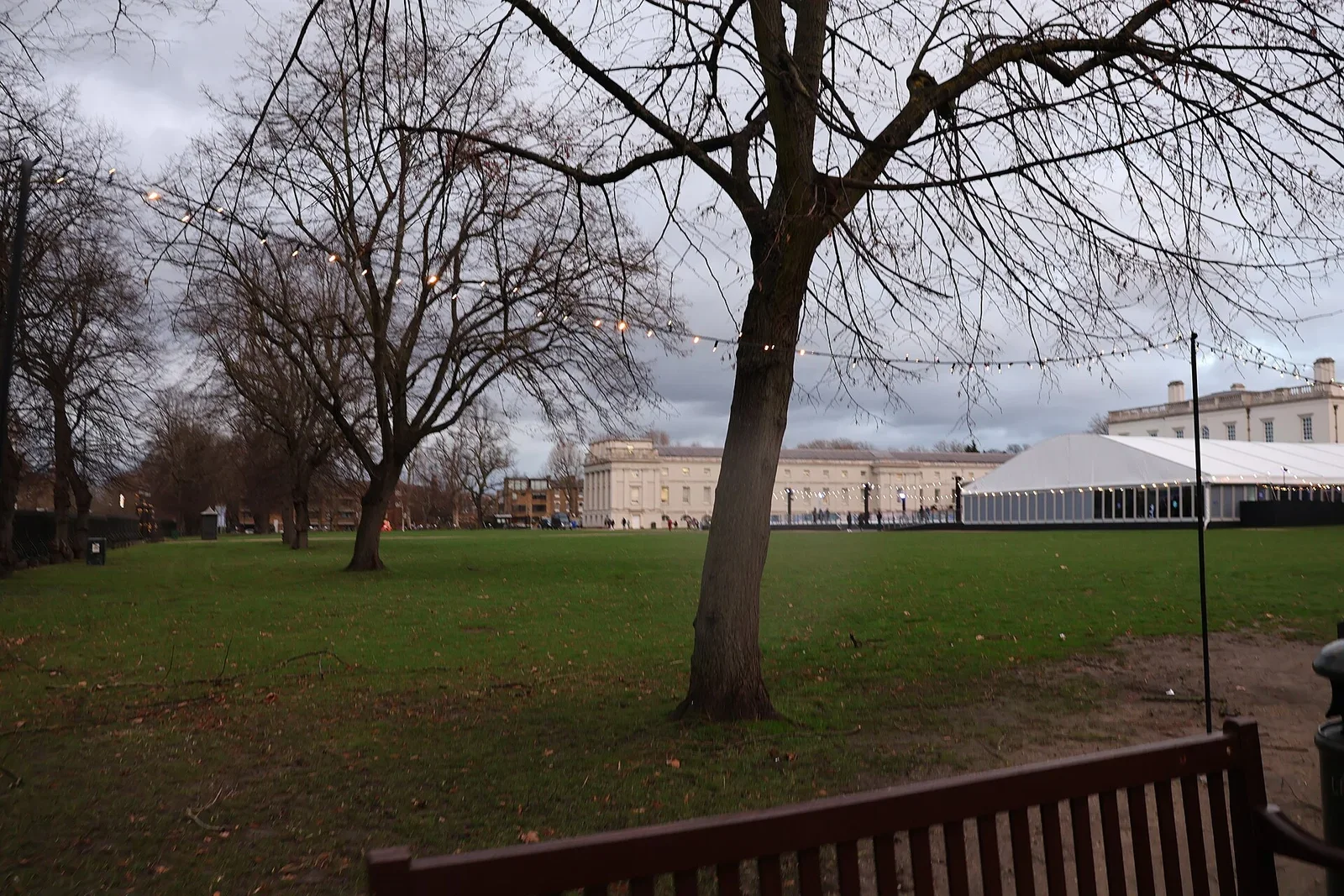
Greenwich deserves a change of pace and its own part of the day. Royal Museums Greenwich comprises four sites: the National Maritime Museum, Queen’s House, Cutty Sark and Royal Observatory. The point is not to count four quick entries. Choose a theme such as life at sea, art, navigation or time, then select the buildings that explain it best.
At the National Maritime Museum, look for the human experience behind a voyage: work, risk, exchange, empire and the lives affected by maritime power. The Queen’s House offers a different encounter with architecture and art. Cutty Sark introduces a ship as a working environment. Each can be more rewarding with a specific question than as another stop on a packaged circuit.
A significant dated change affects astronomy plans. At the 30 October 2026 check, Royal Museums Greenwich announced that the Royal Observatory would close on 2 November 2026 for refurbishment. Do not promise an interior Observatory or meridian-ticket visit after that date without a confirmed update. This does not mean that all the other Greenwich sites close.
The National Maritime Museum and Queen’s House offer free general entry, with booking recommended; Cutty Sark, the Observatory and particular exhibitions have their own admission. Check the exact combination you want and allow travel time to Greenwich itself. Our Royal Museums Greenwich guide explains these distinct choices instead of treating the group visitor total as one building’s audience.
Royal Botanic Gardens, Kew: give plants and landscape their own day
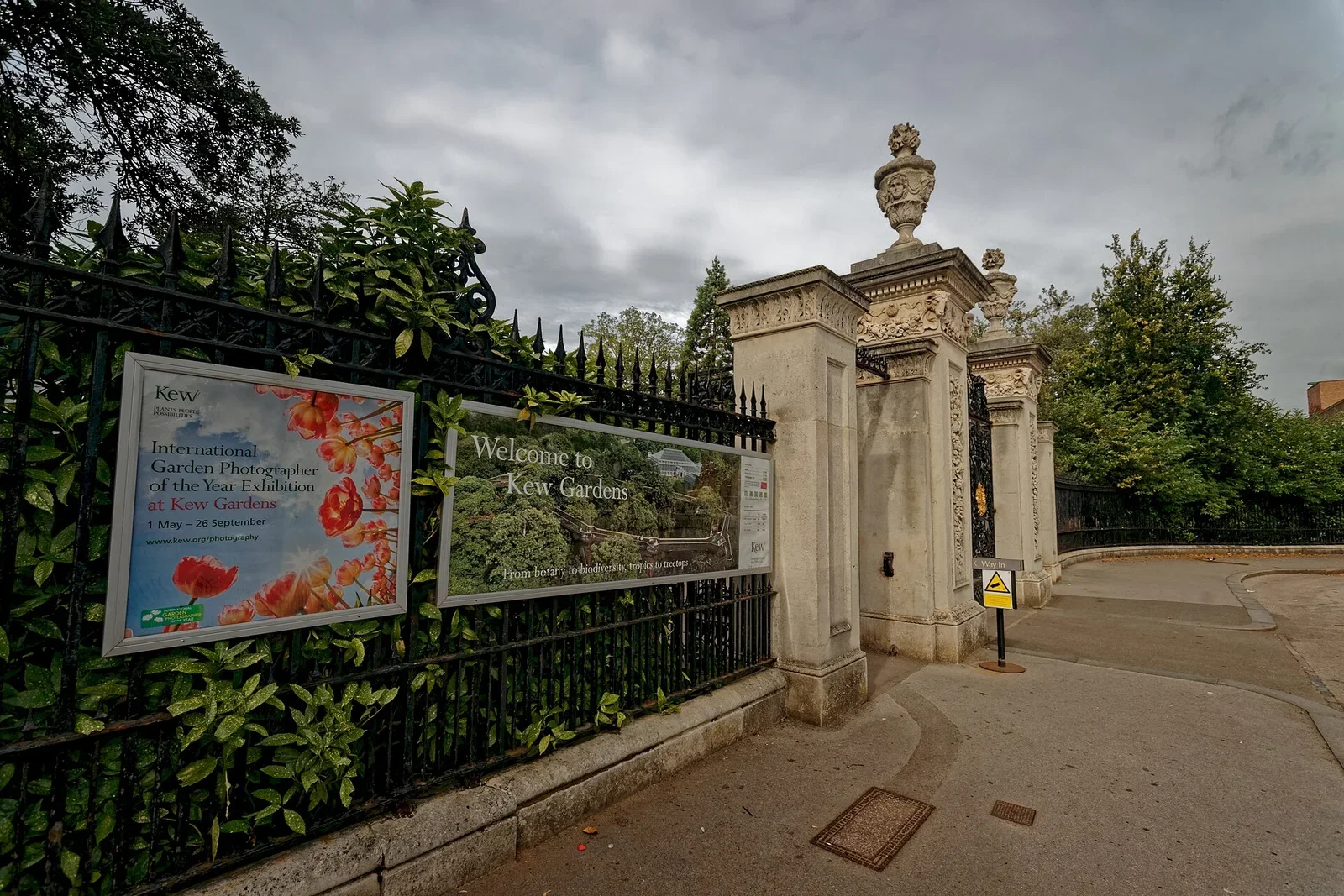
Kew offers a different scale from central London: walking, looking closely at plants and understanding how a garden is organised for study as well as pleasure. Treat it as a dedicated outing. The best route depends on season, weather, your chosen gate and the glasshouses or collections that most interest you.
A rewarding botanical visit does not require recognising every species. Compare leaf forms, bark, the relationship between shade and planting, or the conditions inside and outside a glasshouse. Read the labels that explain origin and habitat. The purpose of a living collection becomes clearer when plants are understood as evidence of different environments rather than simply a beautiful background.
Check closures carefully. On 30 October 2026, Kew listed the Waterlily House as closed for renovation until spring 2027 and the land train as unavailable from 29 October to 9 November. The Palm House remained open with plants being moved in preparation for a planned 2027 renovation. These are dated notices, not a promise that the same route will work on a later trip.
Choose the entrance before planning transport, and compare seasonal garden and glasshouse closing times. A standard daytime ticket and a special event need separate checks. The photograph here shows an external Kew Green entrance view, not a current view of the planted interiors. Our Kew guide helps make the gate, route and access decisions together.
Westminster Abbey: look at ceremony and remembrance
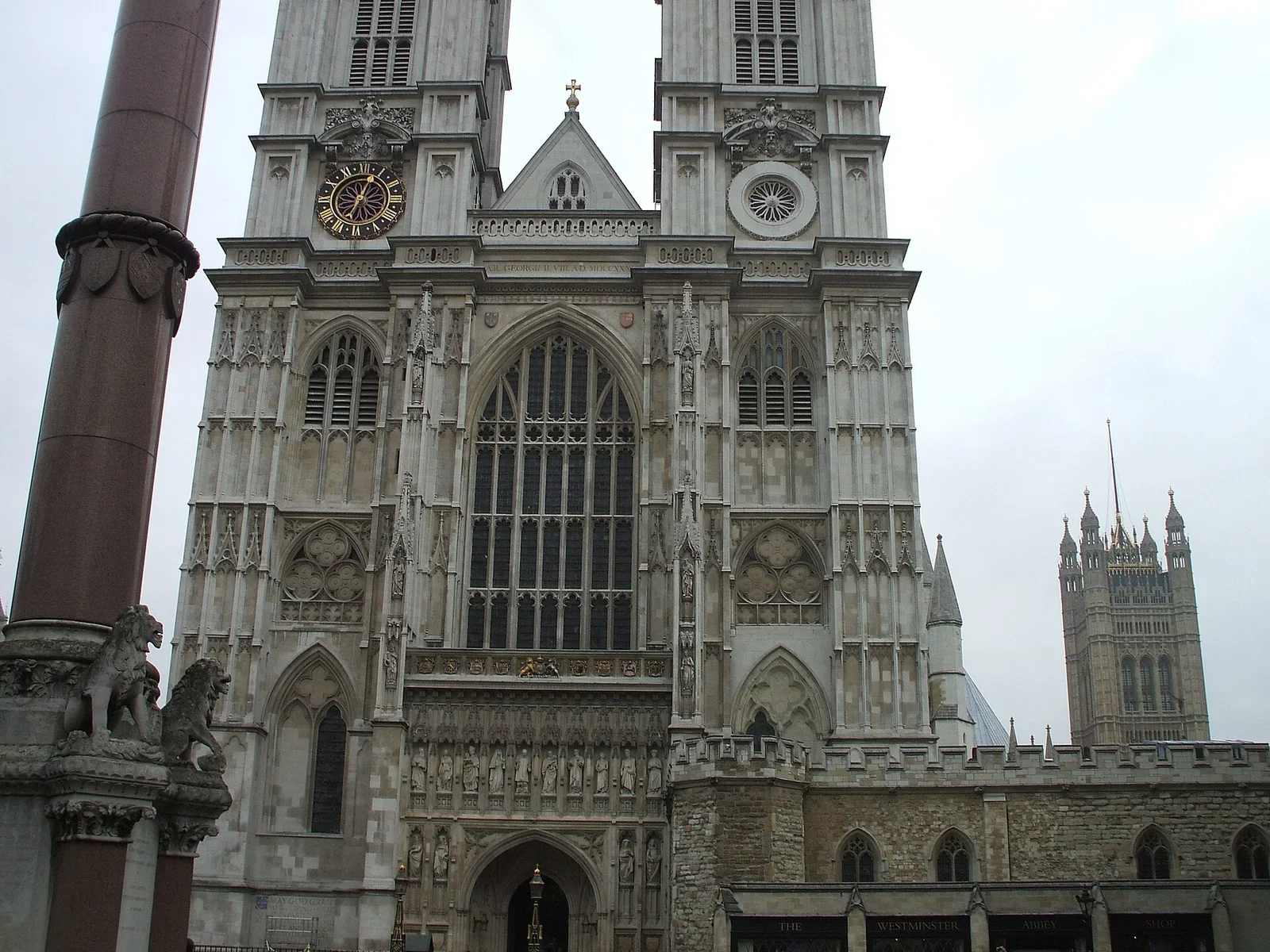
Westminster Abbey brings national ceremony into a building filled with individual memories. Its architecture can feel overwhelming at first, but a slower visit finds a name, a monument or a detail that gives the larger history a human scale. Start by remembering that this is a working church as well as a major visitor attraction.
The connection with coronations is an important thread, but it is not the only one. Look at how memorials occupy the building and how different kinds of achievement or service are remembered. A visit becomes more interesting when you ask who is being commemorated, when the monument was made and how it relates to its surroundings.
Sightseeing and attending worship have different purposes and access arrangements. Free entry to a service is not a substitute for a paid sightseeing circuit. Check the daily calendar, any short-notice closure and the terms for additional areas such as the Queen’s Diamond Jubilee Galleries.
The Abbey fits a Westminster outing with time to look at the surrounding city afterwards, rather than a crowded schedule of several interiors. Leave space for security and the actual entrance on your booking. Our Westminster Abbey guide helps distinguish the historic visit from the service timetable and the wider neighbourhood.
St Paul's Cathedral: understand the building before the climb
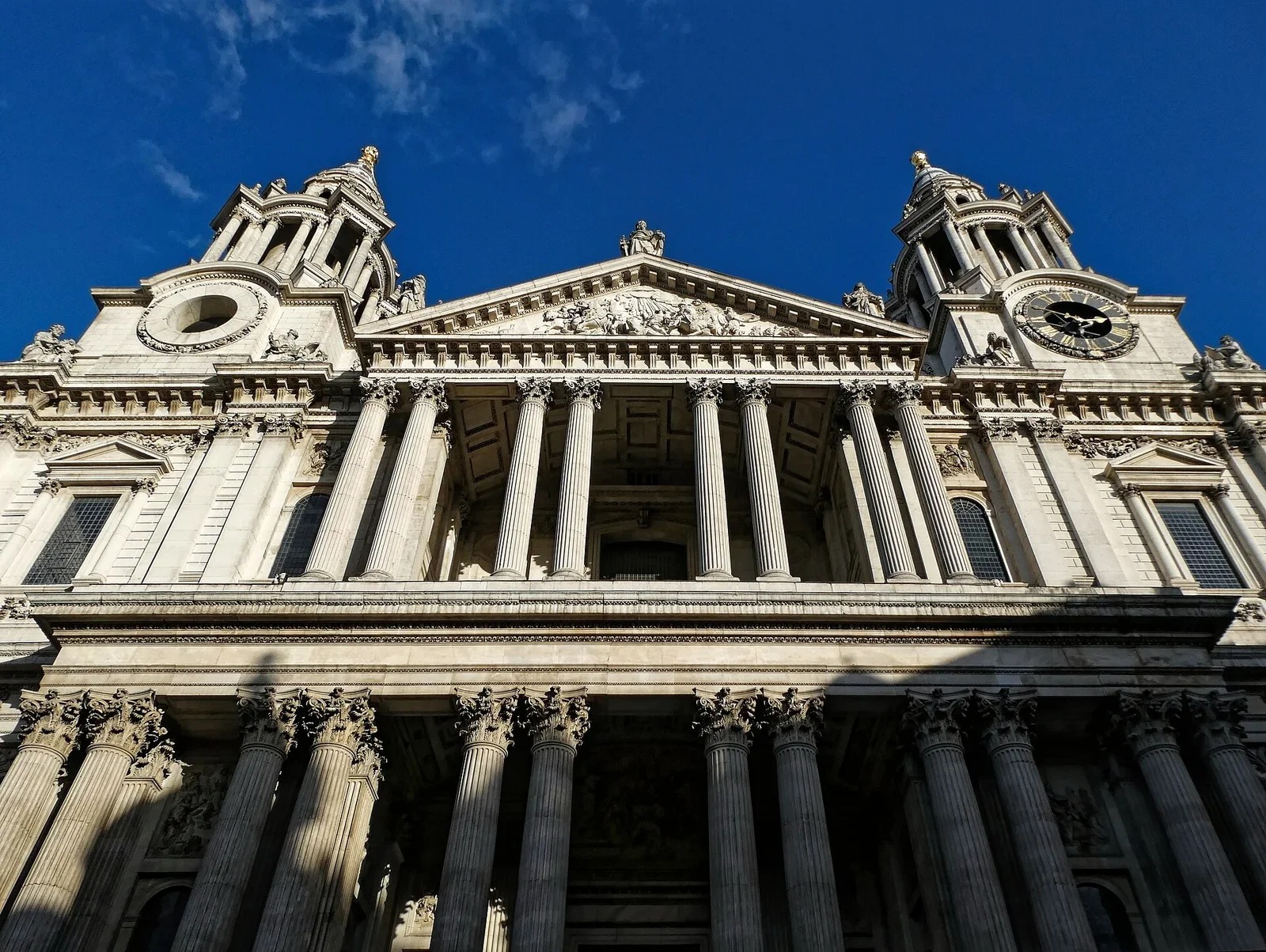
St Paul’s changes as you approach it. From a distance, the dome belongs to the skyline; nearby, the columns, steps and mass of the west front become the subject. Inside, let the floor and the scale above it establish the building before deciding whether the higher galleries belong in your visit.
The cathedral floor and crypt offer a visit even if you do not climb. Pay attention to how architecture directs movement and how memorials use the space. If a dome view is a priority, understand the route first rather than assuming that a ticket includes a lift to every level.
The operator lists 257 steps to the Whispering Gallery, 376 in total to the Stone Gallery and 528 in total to the Golden Gallery. Dome galleries are reached by stairs only. Check the official access information and the actual day’s calendar; being comfortable with a riverside walk does not answer the question of a long stair route.
Sightseeing usually takes place Monday to Saturday, while services are free and follow their own purpose and timetable. A limited Sunday dome arrangement advertised for 2026 ended on 25 October, so do not assume it continues year-round. The cathedral can pair with a Bankside walk towards Tate Modern when conditions and bookings work. Our separate St Paul’s guide makes the floor, crypt and gallery choices clear.
Build a London itinerary by area, not by a daily target
Use these thirteen places as a menu for several outings. The following groupings are planning suggestions rather than a promise that every room, ticket and transport connection will be available together. Choose one main visit for each part of the day and keep space for meals, queues and the city between the institutions.
For South Kensington, make the Natural History Museum, V&A or Science Museum the main event. If a second museum genuinely suits the group, keep its purpose narrow: a particular gallery or an interest that emerged during the first visit. Free admission makes a short return visit possible, but it does not remove booking requirements or the time needed at an entrance.
For a central art day, begin with the National Gallery, then leave time for Trafalgar Square and a walk towards the Strand. Somerset House can become the next cultural focus if its actual programme interests you. Another day can give Bloomsbury and the British Museum their own space. Avoid rushing out of one collection simply because a distant booking looked convenient on a map.
For the river, choose a manageable section. Southbank Centre can anchor a cultural evening; Tate Modern and St Paul’s can form a separate Bankside-to-City outing. A Tower of London visit deserves its own substantial block of time. These places have different opening and booking arrangements, so joining them with a line on a map is the beginning of planning rather than the finished itinerary.
Give Greenwich and Kew their own outings, especially when daylight is shorter. They lie in different directions from central London, and each offers enough to reward an unhurried visit. Choose the building or gate first, then use the current transport planner for the journey and return. Our London city guide and United Kingdom collection are linked below alongside all thirteen place guides.
Make the practical decisions before filling the calendar
Start with a short list of priorities, a realistic travel area and the needs of the people travelling with you. The popularity of a place explains why it may be busy; it does not make it compulsory. You can have a rewarding London stay without completing every landmark or paying for every available upgrade.
Book directly through the operator’s current visitor pages when you have chosen a visit. Distinguish general admission from a paid exhibition, performance, additional gallery or timed activity. Check the date, the named site, the entrance and the cancellation terms you are actually offered. This article does not promise a fixed price, permanent discount or live ticket availability.
Choose a season for the kind of day you want. A garden route needs attention to daylight and weather, while a museum-heavy day still involves streets, waiting and travel. Keep an alternative that suits the same area if an outdoor plan changes. An archival photograph can help explain a building or a landscape, but cannot establish today’s planting, scaffolding or access.
If access requirements matter, check the complete chain from your accommodation to the intended room. The most famous view is not always the most useful destination. St Paul’s has a worthwhile floor-and-crypt visit apart from its stairs, while a complex such as Greenwich requires choosing a particular building. Ask the operator about what you need rather than inferring it from a broad accessibility symbol.
Before you go
- Choose a few main visits and group them by area.
- Reserve required free tickets as well as paid entries.
- Check the specific building, visitor entrance and accessible route.
- Recheck the Royal Observatory closure announced for 2 November 2026.
- Read Kew’s current closures and Palm House renovation updates.
- Consult current room closures, service calendars and event notices.
- Allow time for meals, entrance procedures, travel and the return journey.
Your questions, answered
Are these the exact thirteen most visited places in London?
No. They are thirteen popular attractions represented in ALVA’s 2025 member figures, selected for a varied and practical first visit. Membership does not cover every London attraction. Southbank Centre’s building count and Royal Museums Greenwich’s group count are not equivalent to single-museum admissions, so the article order is not a statistical ranking.
Which of these places had the highest recorded attendance?
ALVA’s 2025 table records 7,116,929 visits to the Natural History Museum in South Kensington and 6,440,120 to the British Museum. Tate Modern and the National Gallery also appear among its leading sites. These are visits in a particular reporting year, not a prediction of today’s queues or a count of unique travellers.
Which museums are free, and do I still need a booking?
General collections at the Natural History Museum, British Museum, Tate Modern, National Gallery, V&A South Kensington and Science Museum are free. Reservation arrangements differ: the Science Museum requires a free admission booking, while other institutions offer or recommend bookings under their current conditions. Special exhibitions and activities may charge separately.
Can I visit the Royal Observatory after 2 November 2026?
The operator’s notice checked on 30 October 2026 announces a refurbishment closure from 2 November 2026. Do not assume an Observatory interior visit is available afterwards without a confirmed update. The National Maritime Museum, Queen’s House and Cutty Sark have their own arrangements.
Can I visit all thirteen places in one day?
Plan several outings rather than thirteen full visits in one day. Museums, historic interiors, performances and garden walks need different amounts of attention, while Kew and Greenwich require separate travel decisions. Choose by interest and geography, leaving time for meals and pauses.
Is entry to a church service the same as sightseeing admission?
No. Westminster Abbey and St Paul’s distinguish worship from sightseeing. Attend a service for its religious purpose and follow the institution’s instructions; it does not provide an unrestricted sightseeing route. Confirm ticketed visiting hours and additional areas separately.
Do the photos show present opening conditions?
The photographs are real, credited views with recorded capture context. They do not establish present gallery access, planting, scaffolding, queues or event arrangements. Read current operator notices and the dated planning information before travelling.
About this story
This story completed TourPedia’s editorial and photograph checks before publication. Visiting arrangements can change; check current information before travelling.
Our editorial approach