How to Visit Rome’s Pantheon: Light, History and a Better Plan
Look beyond the dome at Rome’s Pantheon, with a practical plan for official tickets, church etiquette, accessibility and a walk towards Piazza Navona.
- Read the portico, circular room and open oculus as parts of one building.
- Plan official admission around the basilica’s current visiting arrangements.
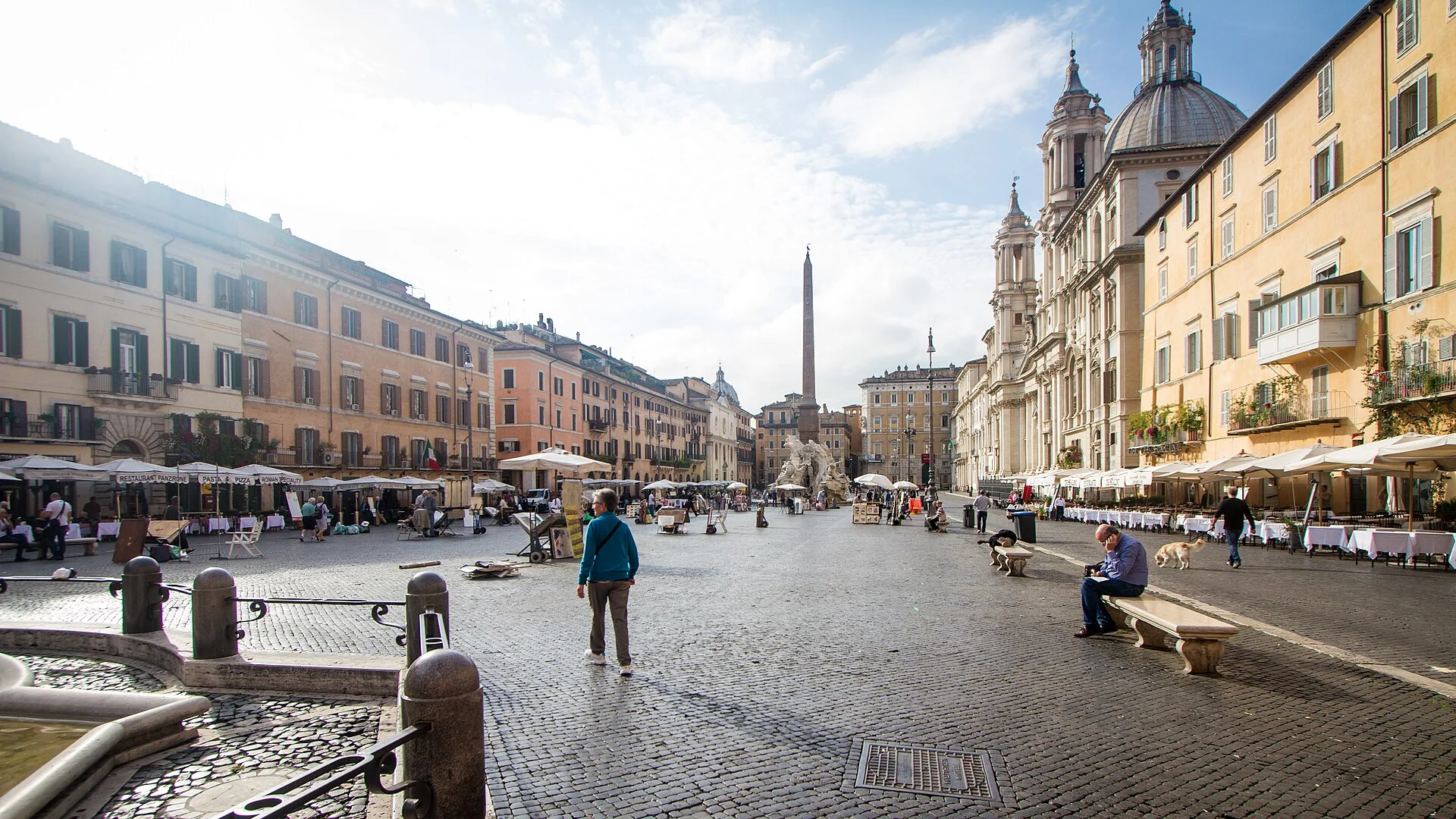
- Continue to San Luigi dei Francesi and Piazza Navona at your own pace.
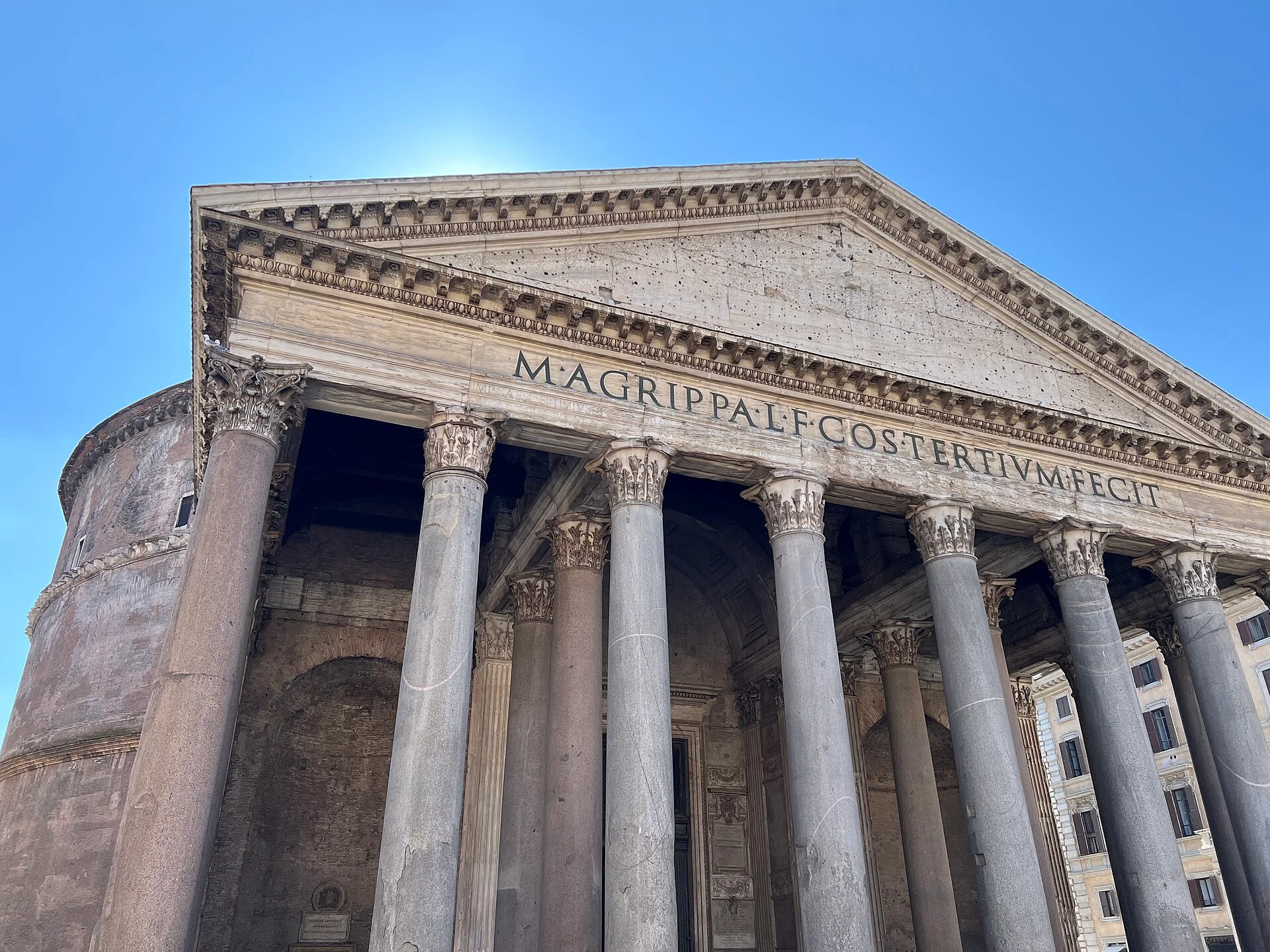
The Pantheon rewards a simple change of pace. Begin outside in Piazza della Rotonda, look at the columned entrance, then give the interior your full attention before reaching for a camera. The opening at the top of the dome, the patterned floor and the chapels around the room belong to one space, yet they invite very different ways of looking.
This is also the Basilica of Santa Maria ad Martyres, an active church. A satisfying visit leaves room for that present-day purpose alongside the ancient engineering. Plan your ticket around the current visiting calendar, dress for a place of worship and resist treating the building as a quick photograph between other appointments. The route below combines a close look at the Pantheon with a manageable continuation through Rome’s historic centre.
Begin in Piazza della Rotonda
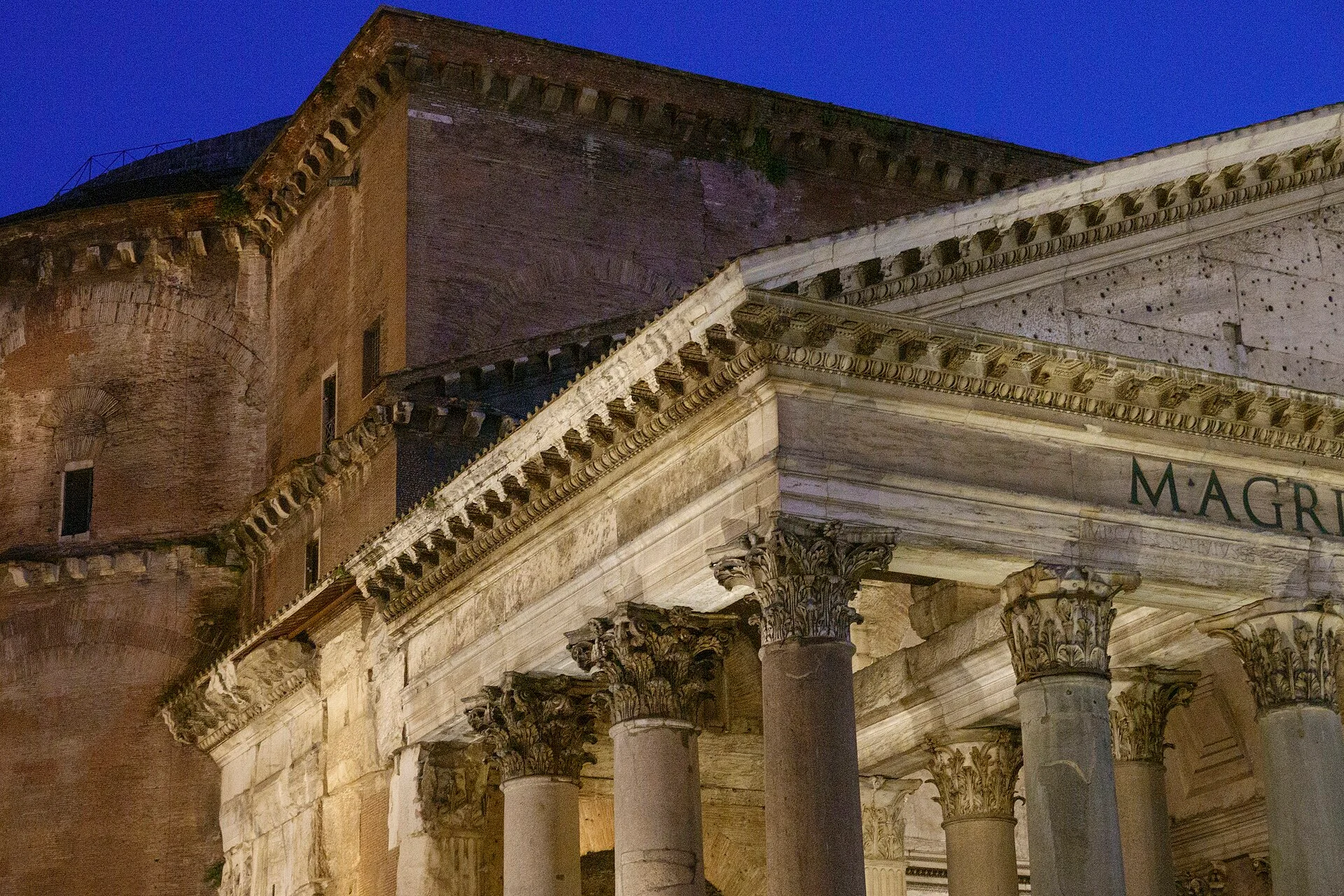
Use the square as an introduction, rather than only a place to join a queue. From outside, the Pantheon presents a familiar temple front: a triangular pediment and ranks of columns. The rounded building behind it suggests a different experience. Keep those two forms in mind when you step through the entrance; their combination is part of what makes the interior surprising.
Choose one detail to follow from the exterior into the room. It might be the contrast between straight lines and curves, or the shift from the shade of the portico to the light beneath the dome. This gives your visit a thread without requiring you to memorise a catalogue of architectural terms.
Before entering, sort out your ticket and finish any food and drink break. Leave space around the entrance for people passing through. If your booking falls between other plans, keep the next appointment flexible enough to allow for the actual queue and any instructions from staff; a ticket should not be treated as a promise of immediate entry.
Read the building in layers
The name on the front can cause confusion. Agrippa founded an earlier Pantheon in the first century BC, while the surviving building belongs to the rebuilding under Hadrian in the second century AD. The dedication to Agrippa remained. Reading the inscription as a label for every part you see would collapse different stages of the site’s history into one.
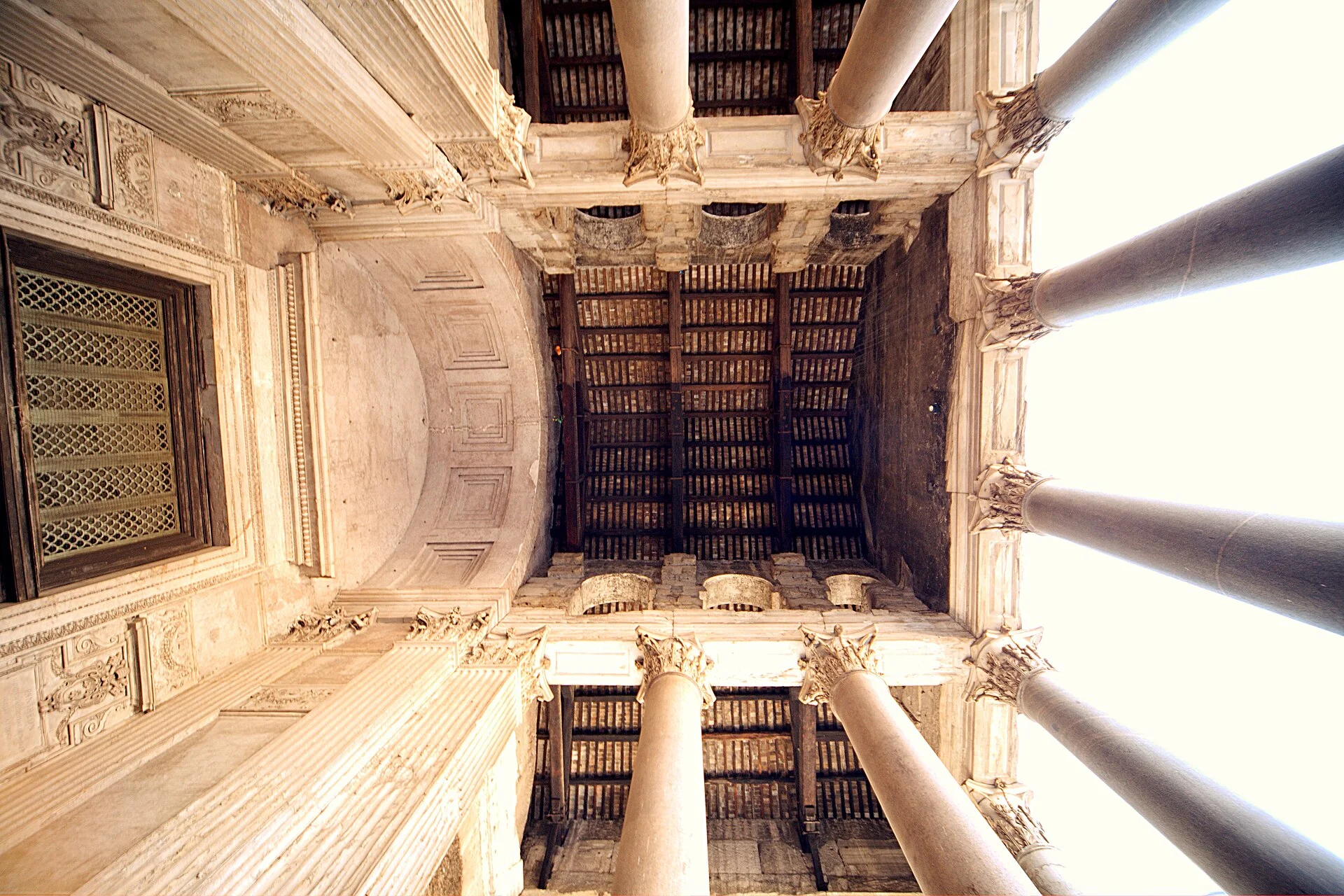
Look at the portico before moving on. Its sixteen Corinthian columns establish a measured approach to the doorway. Inside, the circular room changes the relationship between the visitor and the building: you can turn through the space instead of following one long central axis. The museum records an internal diameter of 43.30 metres and an equal height. Imagine a sphere occupying that volume to make the proportions easier to grasp.
Do not expect every visible surface to belong to the same period. The building was consecrated as a church in 609, and its subsequent religious life is part of its history. A useful question is not simply whether something is ancient, but how the ancient structure has continued to accommodate other uses. Keep looking between the room as a whole and its individual details; neither view explains it completely.
Follow the light, then look down
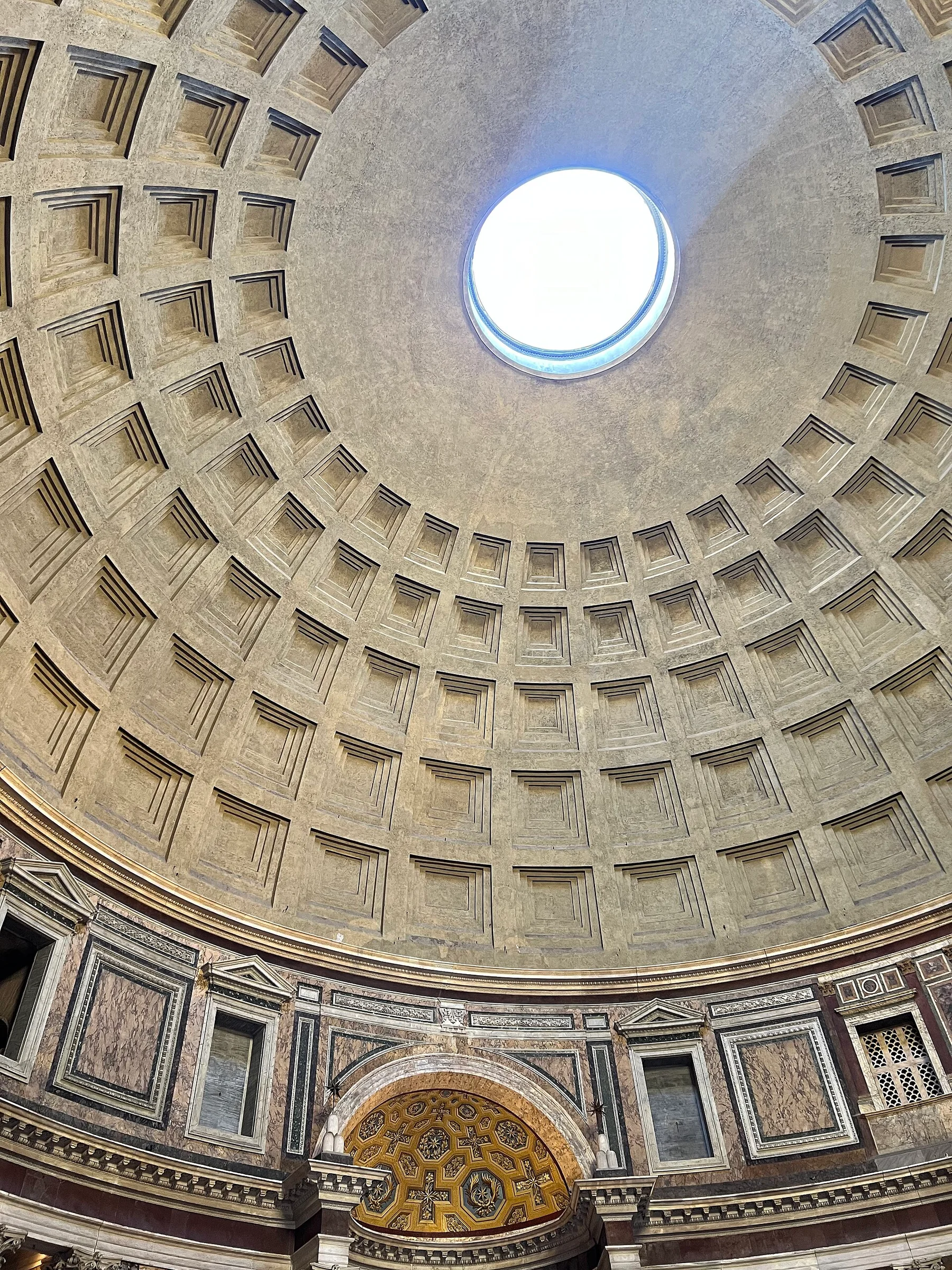
The dome’s central opening, the oculus, is about nine metres across. It has no glass roof. On a clear day the incoming sunlight gives the interior a moving point of attention; under cloud, the room offers a different balance of light and shade. There is no single photograph or hour that can stand for all of those conditions. Choose a practical visiting time, then notice the light you actually find.
Let your eye travel through the recessed panels of the dome towards the opening. These coffers make its enormous curved surface legible in smaller parts. Then lower your gaze to the circles and squares of the floor. Looking between the two is more revealing than keeping your neck tilted upwards for the entire visit. If you are travelling with children, asking them to find repeated shapes can give everyone a shared way into the architecture.
Rain can fall through the oculus. The floor has a drainage system, including 22 holes, to carry that water away. The familiar claim that rain cannot enter the Pantheon is a poor basis for planning a visit. In wet weather, follow any areas marked off by staff and watch your footing. A rainy forecast does not guarantee that you will be able to stand beneath the opening or that every part of the room will be accessible at that moment.
Make room for the church and its memorials
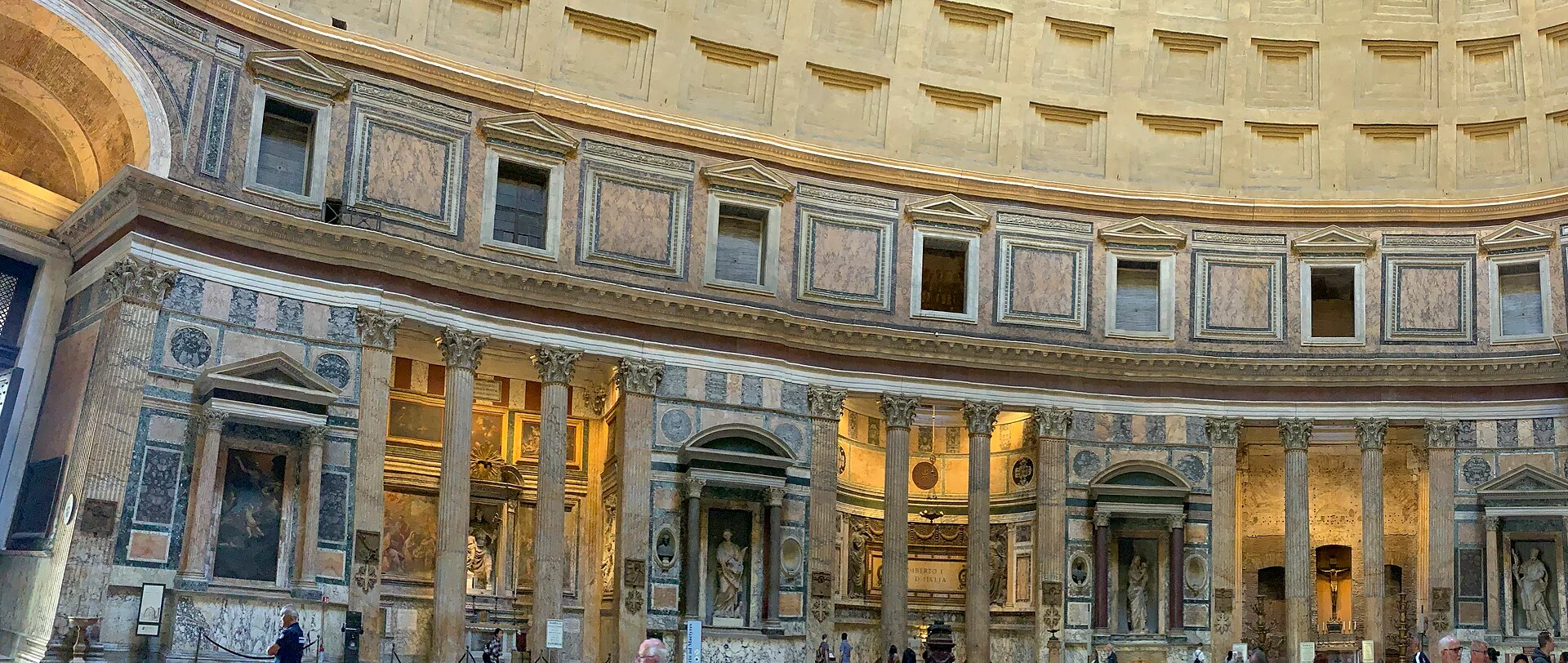
The perimeter deserves attention after the first view of the dome. Raphael is buried here, as are Vittorio Emanuele II, Umberto I and Margherita of Savoy. These memorials introduce another scale of history: individual lives and later ideas of national memory inside a much older structure. Read the names and inscriptions you can see rather than rushing between the most recognisable tombs.
The basilica’s own welcome emphasises prayer and reflection. Even if your interest is entirely architectural, that helps explain how to behave. Keep conversations quiet, silence your phone and avoid calls inside. The published rules permit mobile-phone photographs and video, while professional photography or filming requires specific authorisation. Ask staff when your equipment or intended use goes beyond an ordinary visitor photograph.
Wear clothing suitable for worship, including covered shoulders. Plan your food and drink break outside. If a service is taking place, respect the distinction between attending worship and sightseeing; worship access is not a way to continue a tourist visit during a pause in visiting hours. Leave the chapels and people praying enough room, and accept staff directions if a part of the interior is temporarily unavailable.
Plan your ticket and access before setting out
For standard entry, start with the official Musei Italiani ticket page or the on-site ticket offices and machines. At the check on 24 October 2026, the museum lists a €7 full-price ticket. Its general visiting hours are 09:00–19:00 daily, with individual last entry at 18:30 and the ticket office closing at 18:00. Religious celebrations can change tourist access. Recheck the official visitor notice and available calendar for your chosen date instead of relying on an old price or a general opening-hours listing.
Select the appropriate ticket category and respect the booked slot. The museum states that there is no skip-the-line entry. On free-admission days, visitors collect a free ticket on site rather than reserving one online. Check eligibility and the current process before choosing a date purely for a concession; free entry still requires following the admission procedure.
Visitors with disabilities or reduced mobility can use an external ramp on the Via della Minerva side. Contact the museum before travelling if you need assistance with your approach or entry. There is no cloakroom service, so choose belongings you can keep with you throughout the visit. Check the official notices again before setting out, especially if your visit coincides with a religious celebration.
Before you go
- Recheck the official timetable and book the appropriate admission slot.
- Bring the official ticket and the identification its conditions require.
- Cover your shoulders and dress for a working place of worship.
- Use the Via della Minerva ramp information if you need accessible entry.
- Plan food, drink and storage before entering; there is no cloakroom.
Your questions, answered
Is the Pantheon in Rome free to visit?
Standard tourist admission is paid. The official full-price ticket was €7 when checked on 24 October 2026; concessions and free-admission days have their own conditions. Verify the current official page for your date.
Does rain really enter through the oculus?
Yes. The oculus is open, and the floor has drainage holes. Follow any areas marked off by staff in wet weather.
Is the Pantheon still a church?
Yes. It is the Basilica of Santa Maria ad Martyres. Religious services can change tourist visiting access, so plan around the current notices and respect people attending worship.
Where is the accessible entrance?
The museum identifies an external ramp on the Via della Minerva side. Contact the monument ahead of time if you need particular assistance with your approach or entry.
About this story
This story completed TourPedia’s editorial and photograph checks before publication. Visiting arrangements can change; check current information before travelling.
Our editorial approach