New York State: City Streets, River Views and Lakes
Plan a first New York State trip through New York City, the Hudson Valley, Adirondack lakes, the Finger Lakes and Niagara, choosing a route that fits your time.
- Separate New York City from the wider state when choosing your route.
- Compare Central Park, the Hudson Valley and an Adirondack lakeside stay.
- Plan the Finger Lakes and Niagara with current attraction and seasonal-service checks.
New York is both a state and a city, and the distinction changes the trip you can build. Beyond the familiar Manhattan image are river crossings, lakeside villages, mountain regions and waterfalls with their own geography and pace. A good first visit begins by deciding which New York you want to spend time in.
This guide connects a city starting point with a choice of regional journeys: the Hudson Valley, the Adirondacks, the Finger Lakes and Niagara. It offers a way to choose among them rather than a checklist for a single rushed circuit. Start with the experiences that matter to you, then give the distance between them an honest place in the plan.
Choose the shape of your New York trip
Start by separating New York State from New York City. Manhattan's towers are one part of a state that also includes river towns, mountain communities, long lakes and Niagara's powerful water. A first trip becomes easier to plan when you choose which of those experiences matters most, rather than treating every famous name as the next stop on a short drive.
A useful approach is a city stay with one regional extension. Pair New York City with time in the Hudson Valley for a change in pace, choose the Adirondacks for a lake-and-mountain focus, or build a western trip around the Finger Lakes and Niagara. These are different trip shapes. You do not need to combine them all to feel that you have seen something beyond the skyline.
Before booking, place your overnight stops and actual transport connections on a map. Protect time for arriving, finding your accommodation and returning from the day's outing. A transfer day can contain one memorable stop without becoming a race. If the available days do not support the distance, leave a region for a later visit and deepen the part you keep.
Let Central Park change the pace of the city
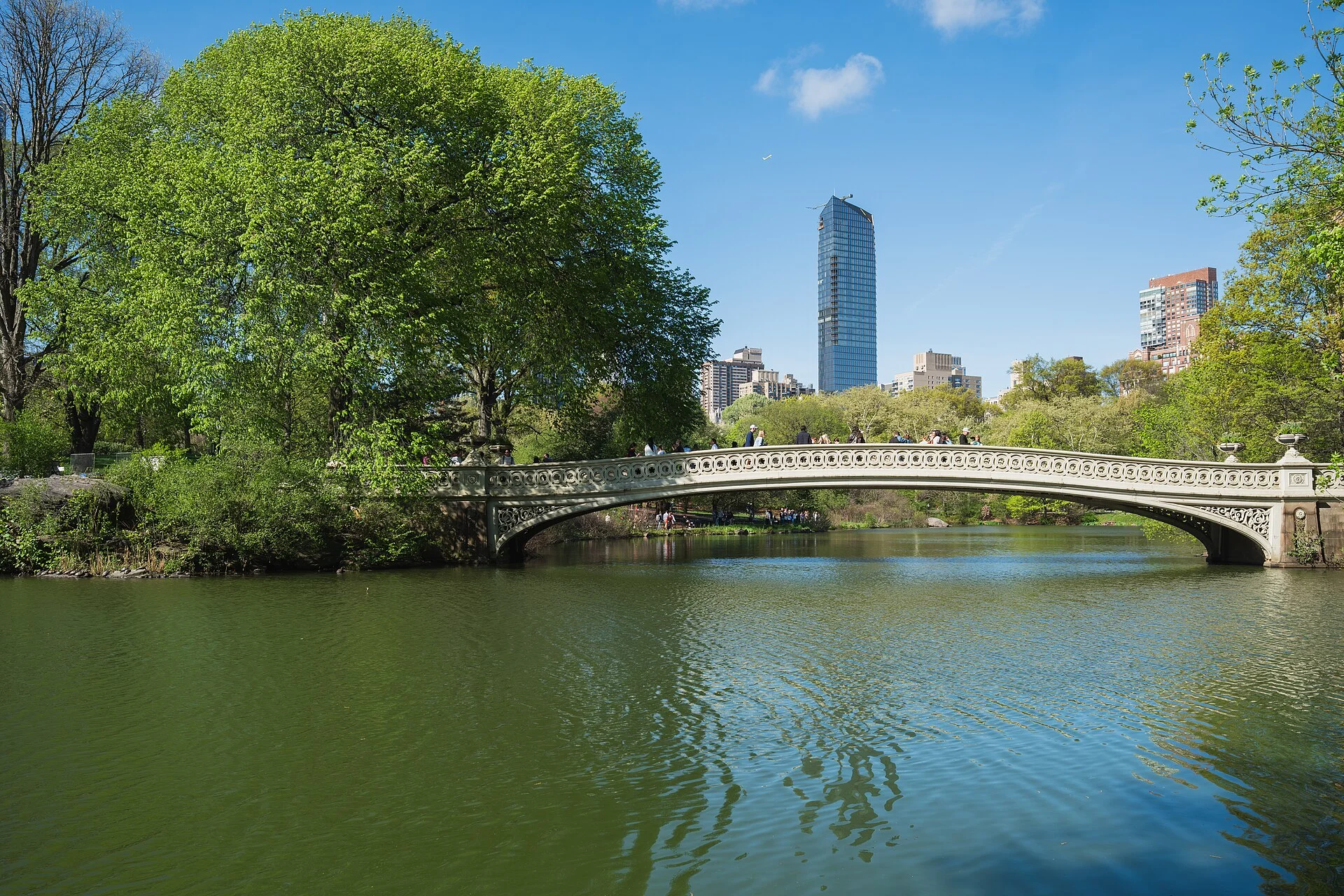
New York City can supply the urban opening: architecture, museums, neighborhood walks and a choice of food. Keep individual days geographically focused, then give Central Park a distinct outing. Its curved paths and changing views offer a different experience from the grid around it. At Bow Bridge, water, trees and the skyline share one frame; the city remains present even as the park changes your pace.
Look at Central Park as a designed landscape. Frederick Law Olmsted and Calvert Vaux shaped a sequence of lawns, woodland, water and routes rather than preserving a ready-made wilderness. Its history also includes people displaced for its creation, including the predominantly African-American community of Seneca Village. A visit gains depth when the pleasant view and that history are considered together.
Choose a few places instead of attempting the whole park between other appointments. Bow Bridge and the Lake can be one focus; another might be the formal space around Bethesda Terrace. On 28 October 2026, the Conservancy's restoration notice said Bethesda Fountain had been turned off for work while the Terrace remained open. Check the current notice before expecting the fountain scene shown in older images.
See the Hudson Valley from the river’s scale
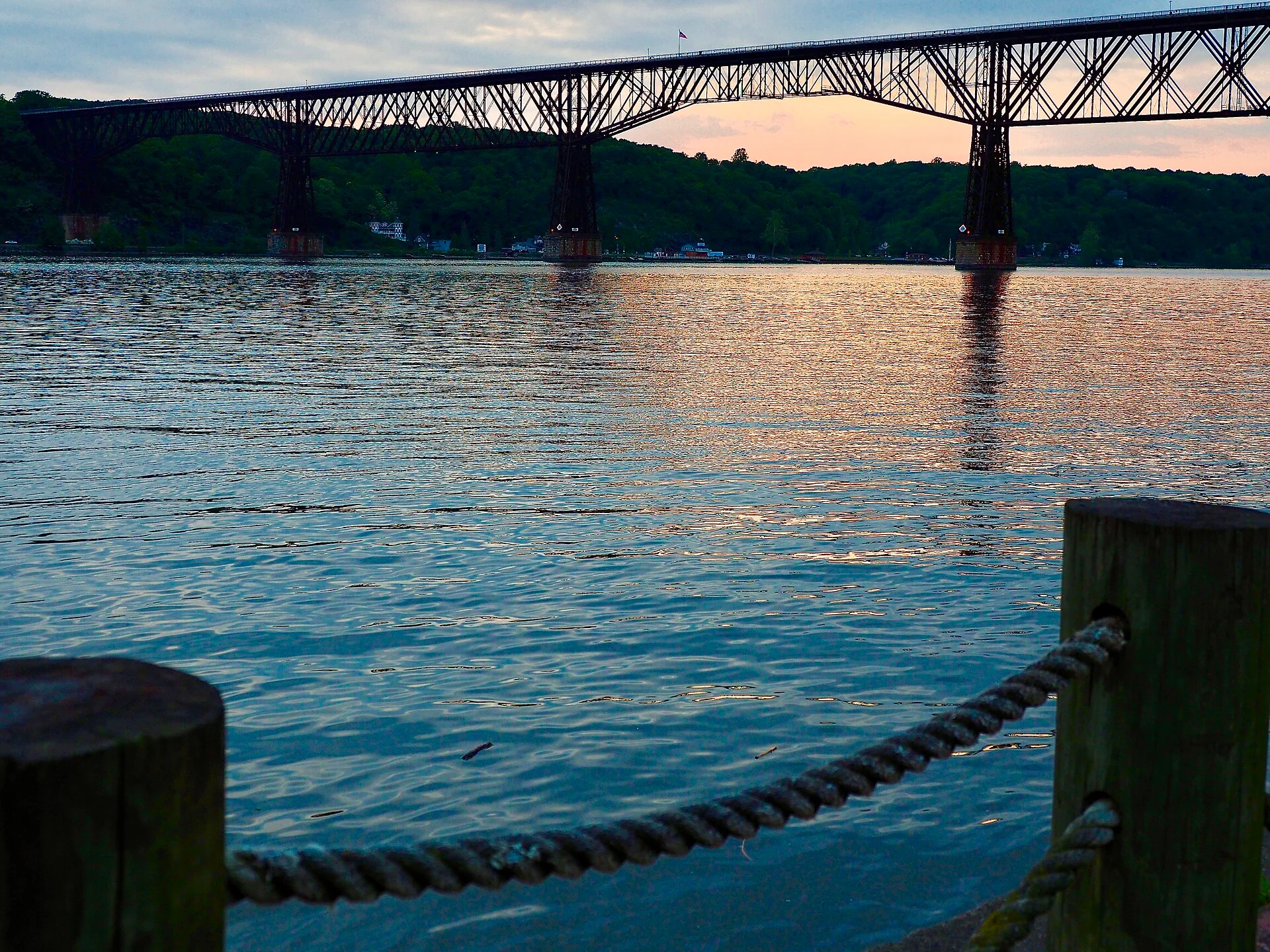
The Hudson Valley makes a rewarding contrast with the city because the river becomes a way to understand the landscape. At the Walkway Over the Hudson, a former railroad bridge connects Poughkeepsie and Highland. The span draws attention to the width of the water and the relationship between the two shores. Approach it as a place to look and move slowly, not simply a crossing to complete.
Decide which entrance you will use before setting off. The paved approaches and the waterfront elevator are different ways to reach the Walkway; an elevator-dependent plan needs its own operating check. Weather and maintenance can interrupt service. The official visiting page gives the current arrangements, so use it alongside your arrival and return transport rather than assuming a bridge visit runs like a city street.
Metro-North provides a rail-planning starting point for the Hudson corridor, but the station is only part of the journey. Check the route from your arrival station to your actual destination and how you will get back. One town and a river outing can make a fuller day than several stops with unresolved connections. The photograph here records the bridge from the water's edge in May 2018, not a current access report.
Use a lakeside base to explore the Adirondacks
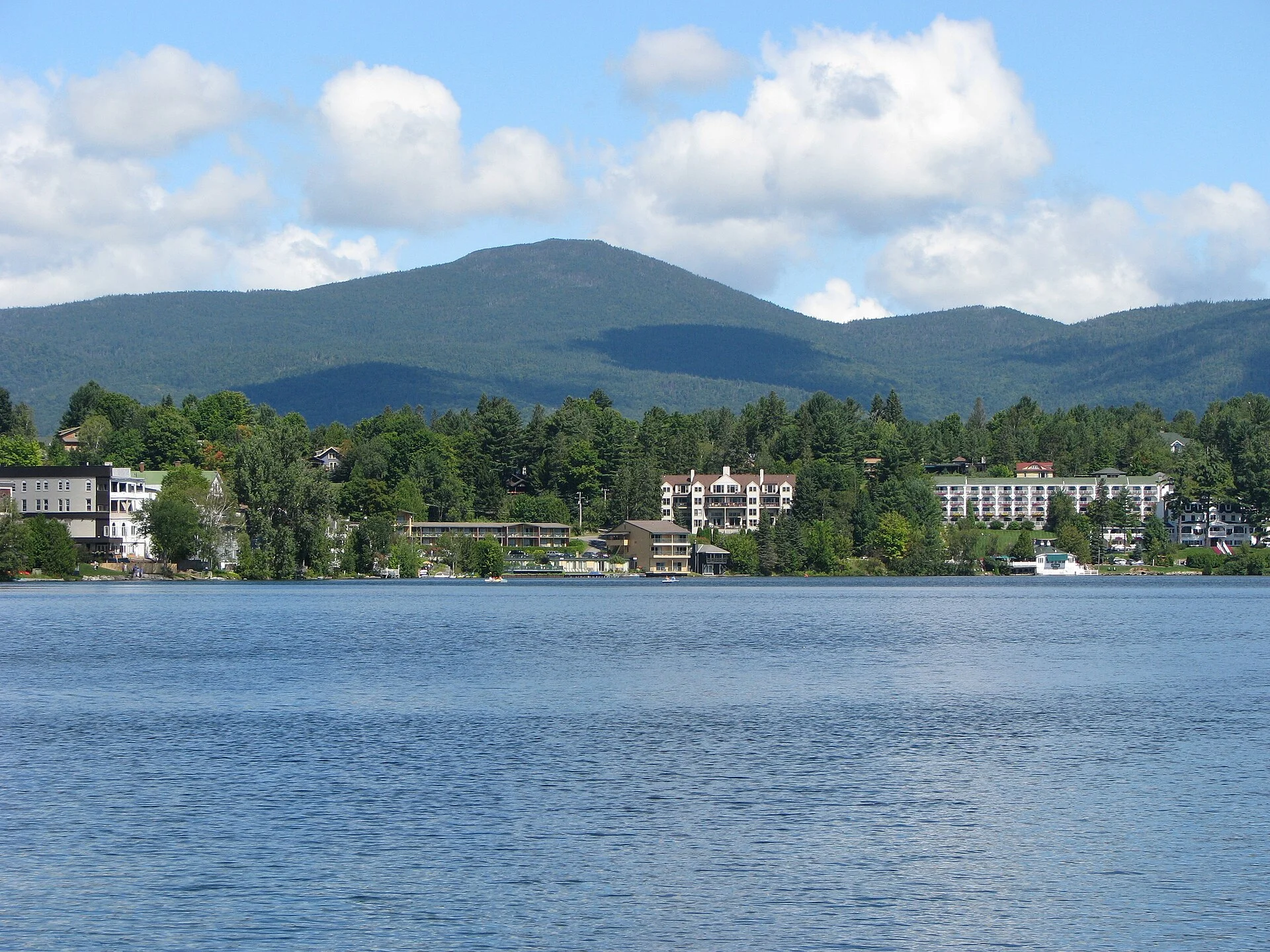
For a different New York, look towards the Adirondacks. Lake Placid offers a practical place to begin thinking about a mountain-region stay, with Mirror Lake providing a setting close to the village. The lake in the photograph is Mirror Lake, viewed from its southern shore; it should not be confused with the separate body of water named Lake Placid. Getting the names right is a small step towards planning the right outing.
A village-and-lake day and a mountain hike are different commitments. You can enjoy the changing relationship between buildings, water and hills without choosing a summit. If hiking is central to the trip, select the route for your group's experience, equipment and conditions. The DEC's backcountry information is more useful for that decision than an appealing photograph or a short distance on a map.
Mountain weather can differ from the conditions at your accommodation. Check the relevant forecast and recent local notices, bring the appropriate equipment and leave a plan with someone you trust. Be prepared to choose another outing when conditions change. A successful Adirondack visit can be a well-chosen lakeside day, not only a completed peak.
Choose one lake and one gorge in the Finger Lakes
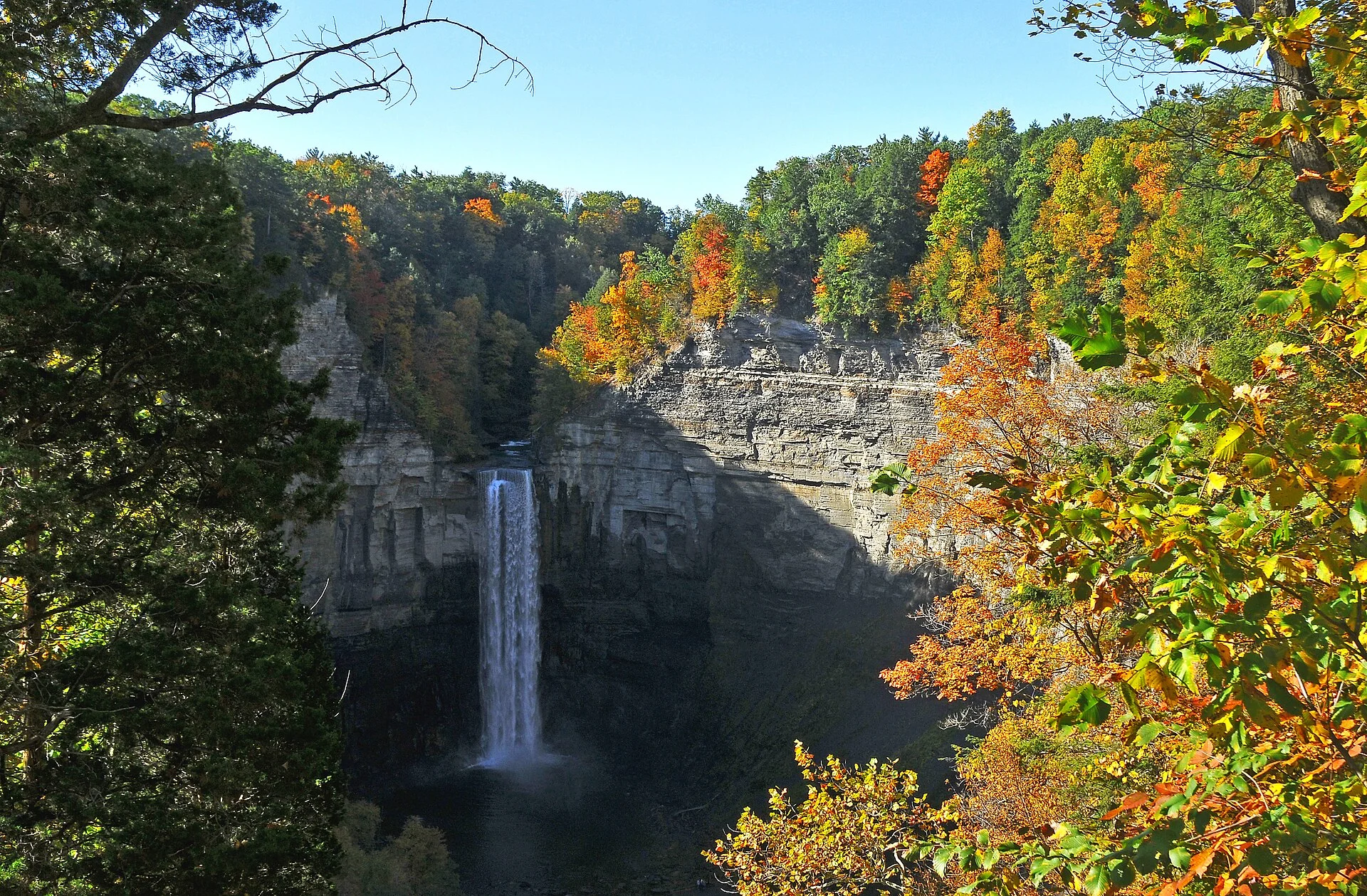
The Finger Lakes invite a slower regional plan. Begin with a lake or town as your base, then choose a small number of outings around it. Near Cayuga Lake, Taughannock Falls State Park gives the landscape a different scale: a waterfall set within a deep, layered gorge. The contrast between the lake country and the enclosed gorge can be more engaging than moving from one waterfall name to another.
Read the park map before choosing between an overlook and a trail. Different approaches reveal different aspects of the falls and ask for different walking effort. Stay on designated routes and observe closures. The official park page's older seasonal opening note is not a promise that every trail is open on the day you arrive; confirm current conditions with the park.
Treat seasonal services separately from the park itself. At the 28 October 2026 check, the published shuttle calendar ended in mid-October. Do not build a late-autumn visit around a summer service or infer present water flow and foliage from our October 2010 photograph. Leave space for a meal and the return journey to your chosen base; the quieter intervals are part of this kind of trip.
Make Niagara a western New York destination
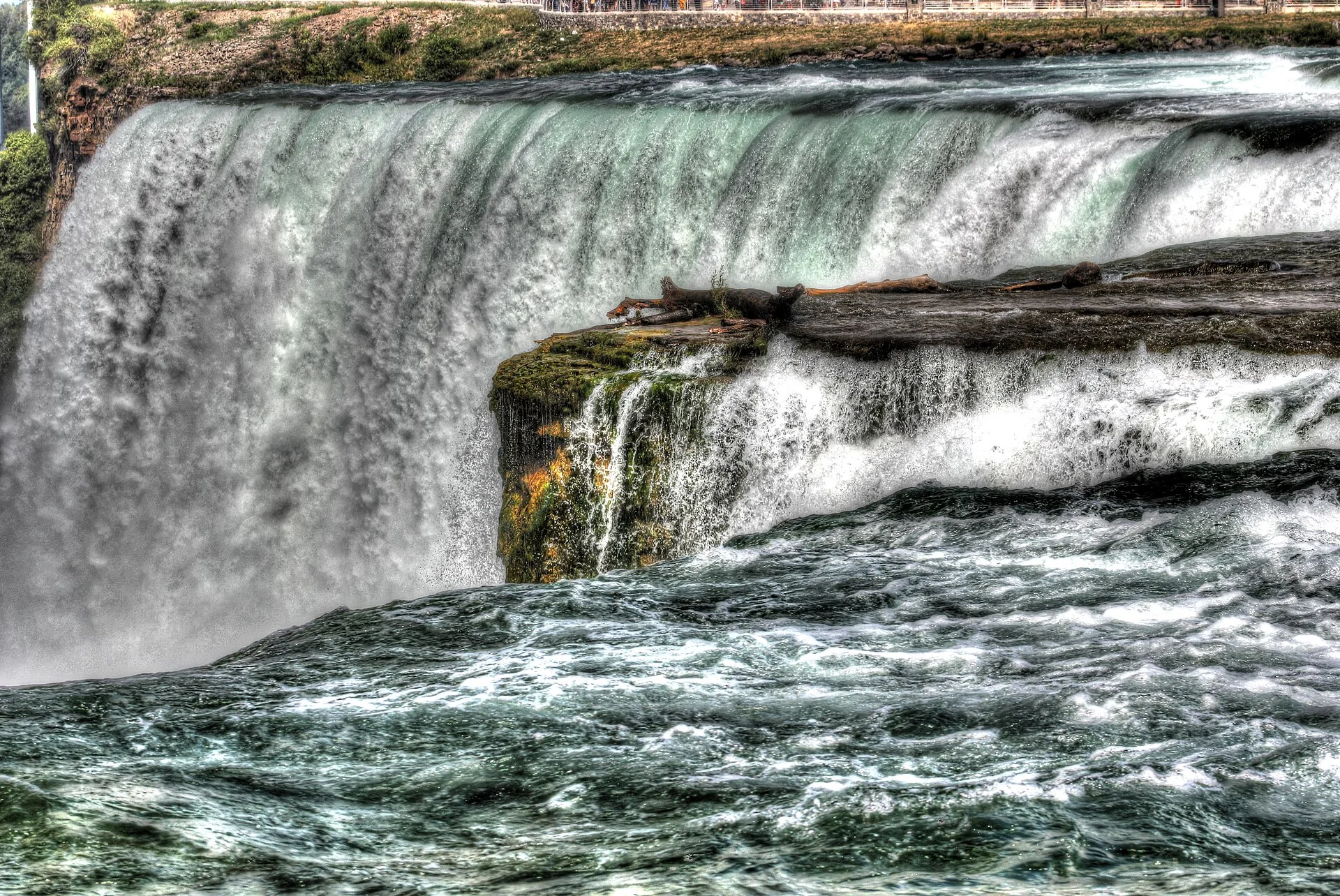
Niagara deserves its own place in the plan rather than an assumption that it is a quick addition to a Manhattan day. On the New York side, the state park provides ways to encounter the falls, river and gorge. Begin with the view you most want, then check the actual attraction and path information that will get you there. An overlook visit and a boat or other ticketed experience need separate decisions.
On 28 October 2026, the Observation Tower's visitor page stated that its far end was temporarily closed while the remainder remained open, and that the Crow's Nest was under construction. Recheck that precise notice before planning around either feature. It does not establish a reopening date or imply that the entire park is closed.
The American Falls photograph in this article is an HDR image from August 2016; its source processing and archival date are credited. It shows a real subject, not today's exact light, flow or barriers. This route focuses on New York State. A visit to the Canadian side is a separate travel decision and is not required to follow these suggestions.
Build a route that leaves time to be there
Choose the journey from your interests outward. For city walks and a manageable change of scene, start with New York City and investigate a Hudson Valley extension. For lakes and mountain settings, give an Adirondack base its own time. For gorges and a major waterfall destination, consider a Finger Lakes stay and a separate Niagara stop. These are planning suggestions, not fixed-duration itineraries or guarantees of a convenient connection.
Match transport to the whole outing. In the city, consult the MTA for the actual route and current service. For a regional trip, check the rail or bus connection and the final journey from station to accommodation or trailhead. A car can change the options, but it also adds parking and driving to the day. Compare the real arrangements before selecting a base.
Make room for local history and everyday places along the way. A park, a town and a landscape each contain more than the viewpoint in a guide. Read the interpretation available at the places you choose, use public access responsibly and support businesses whose current details you have checked. Finish with a route you can explain simply: where you will stay, the main reason for each stop and how you will get back.
Before you go
- Choose your main region and overnight bases before adding detours.
- Check the outward, final local and return legs of every transport connection.
- Consult current park, trail, elevator and attraction notices.
- Use the correct lake and park names when saving map locations.
- Confirm seasonal services for your travel dates rather than relying on older photographs.
- Keep a flexible alternative for weather or a closed feature.
Your questions, answered
Is New York State the same place as New York City?
New York City is one part of New York State. The state also includes regions such as the Hudson Valley, Adirondacks and Finger Lakes, so a state trip can have a very different shape from a city break.
Should I combine every region in one first trip?
Choose a route that fits your available days and interests. A city stay with one regional extension, or a focused lakes-and-waterfalls trip, can be more rewarding than trying to cover every place mentioned here.
Do these suggestions require visiting Canada?
No. The Niagara section focuses on the New York side. Any Canadian-side visit is a separate travel decision, with its own arrangements.
About this story
This story completed TourPedia’s editorial and photograph checks before publication. Visiting arrangements can change; check current information before travelling.
Our editorial approach