Zurich: 13 Popular Places to Visit, from Old Town to Uetliberg
Explore Zurich’s churches, museums, Old Town, lake and hilltop views through thirteen detailed stops, with real photos and fifteen related guides.
- Thirteen distinct stops, including Zurich Tourism’s ten selected highlights.
- Old Town churches and lanes, two major museums, lake scenery and higher viewpoints.
- Fifteen different internal guides plus current official visitor resources.
- Real exterior and landscape photographs with visible creators, licenses and capture context.
Zurich is Switzerland’s most populous city, yet its visitor experiences often begin with small acts of attention: a clock above an Old Town square, light in a church, an object in a museum or a change in the view as a street reaches the lake. Give those moments room. A detailed plan should help you choose, not turn the city into a race between entrances.
This guide covers thirteen popular and worthwhile stops. The first ten follow Zurich Tourism’s official top-ten selection: Grossmünster, Fraumünster, Uetliberg, Bahnhofstrasse, Lake Zurich, the Opera House, Lindenhof, National Museum Zurich, Kunsthaus and Niederdorf. The university botanical garden, Polyterrasse and St Peter add three different perspectives. This is an editorial selection of visitor highlights, not a statistical claim that these are the thirteen most visited places in exact attendance order.
Each stop has its own detailed TourPedia guide, alongside the Zurich city and Switzerland country guides: fifteen distinct internal reading links in the visitor-links section below. All photographs are real and credited with their recorded context. Practical research was checked on 31 October 2026, including the dated S10 disruption; use current operator information again for your actual travel day.
Grossmünster
The twin towers of Grossmünster provide a useful first reference point in Zurich. Look at the church from across the Limmat before approaching it: the river separates the building from the quieter viewpoints around Münsterhof, allowing its silhouette to emerge above the surrounding roofs. Close up, the scale changes from a city landmark to stonework, doors and a working religious building.
The church is closely associated with Zurich’s Reformation and Huldrych Zwingli. That history gives the visit more substance than a climb for a photograph. Consider how a religious institution could also become a centre of public argument and civic change. Then compare its position on the east bank with Fraumünster opposite; the relationship between the two is easier to understand from the street than from an isolated postcard view.
An interior visit, a service and a Karlsturm tower visit are different experiences. Choose deliberately rather than assuming that entry grants every route. The tower involves stairs, and the viewing arrangements should be checked before paying or climbing. Zurich Tourism reports a renovation programme running from January 2025 into 2029; access, scaffolding and the appearance of the building can therefore differ from the archival exterior photograph here.
Photography deserves particular care. Follow the church’s current rules and do not treat permission to take a private photograph as permission to publish commercial or editorial interior imagery. This guide uses an exterior view from Münsterhof. If the church or tower is unavailable, the riverbank and a comparison with Fraumünster still make a worthwhile architectural stop without turning worship into a sightseeing opportunity.
Fraumünster
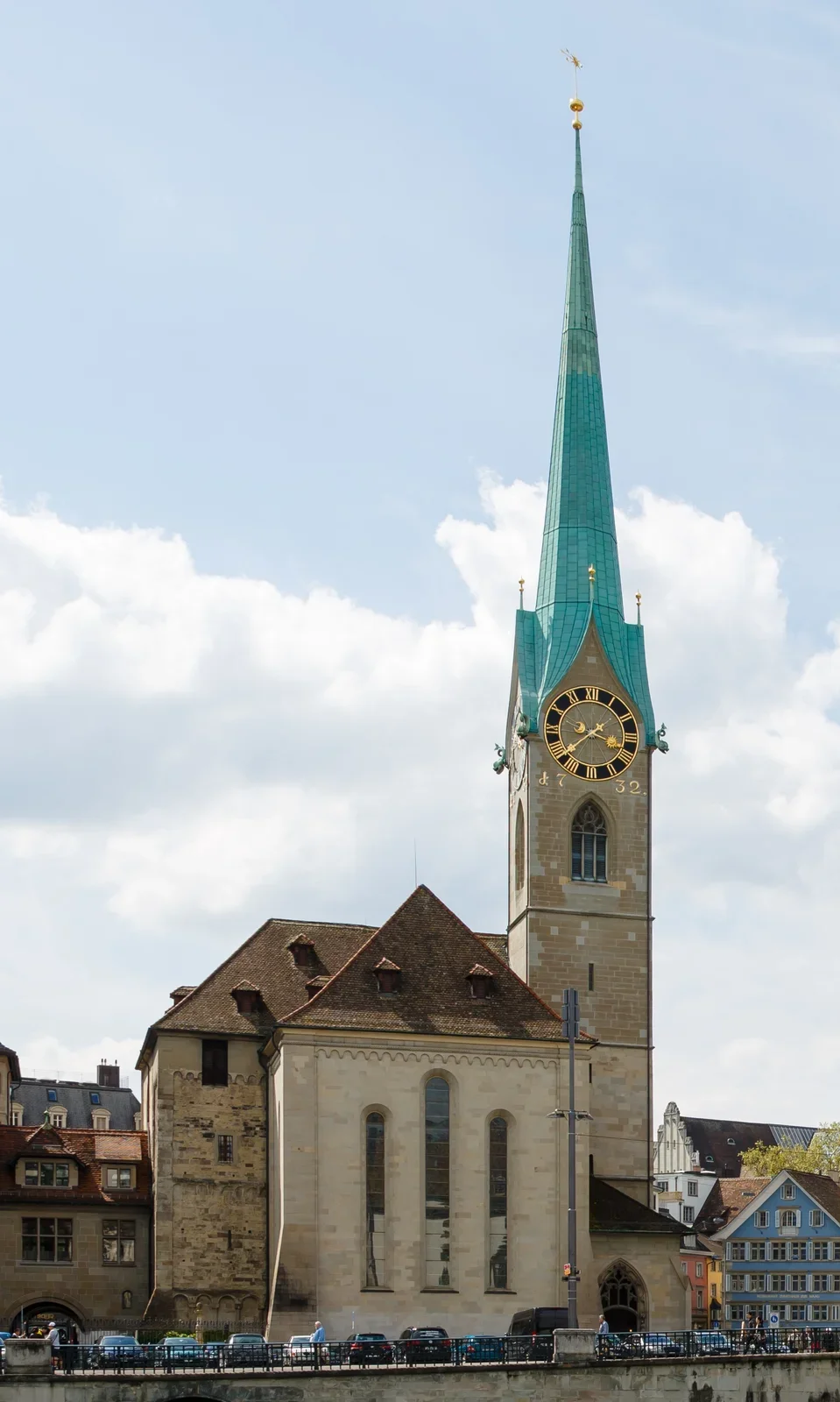
Fraumünster’s slender spire offers a different architectural rhythm from Grossmünster’s paired towers. Its Münsterhof setting rewards a pause before going inside: stand back far enough to see the church as part of a public square, then approach the entrance with the day’s visitor arrangements in mind.
The institution began as a women’s abbey founded in 853. That background opens a larger story about religious life and power in the city. Rather than treating the church only as a container for famous windows, allow time for the older institution and its relationship with the surrounding streets. The walk across Münsterbrücke is a particularly useful way to connect the two riverbank churches without losing their individual histories.
The stained glass associated with Marc Chagall and Augusto Giacometti is a major reason to visit. Looking slowly matters more than collecting images: observe how daylight changes colour and how the windows sit within the architecture. A visit centred on these works can be quite different from a brief exterior stop, so check the current admission arrangements and leave enough attention for the interior rather than arriving between two distant bookings.
Fraumünster’s published guidance restricts photographs of the Chagall windows to private use; online publication is not covered by that permission. The real photograph accompanying this guide therefore shows the exterior, not the windows. Respect services, follow staff instructions and consult the current calendar. St Peter and Lindenhof can be natural later stops if your energy and the actual opening arrangements allow.
Uetliberg
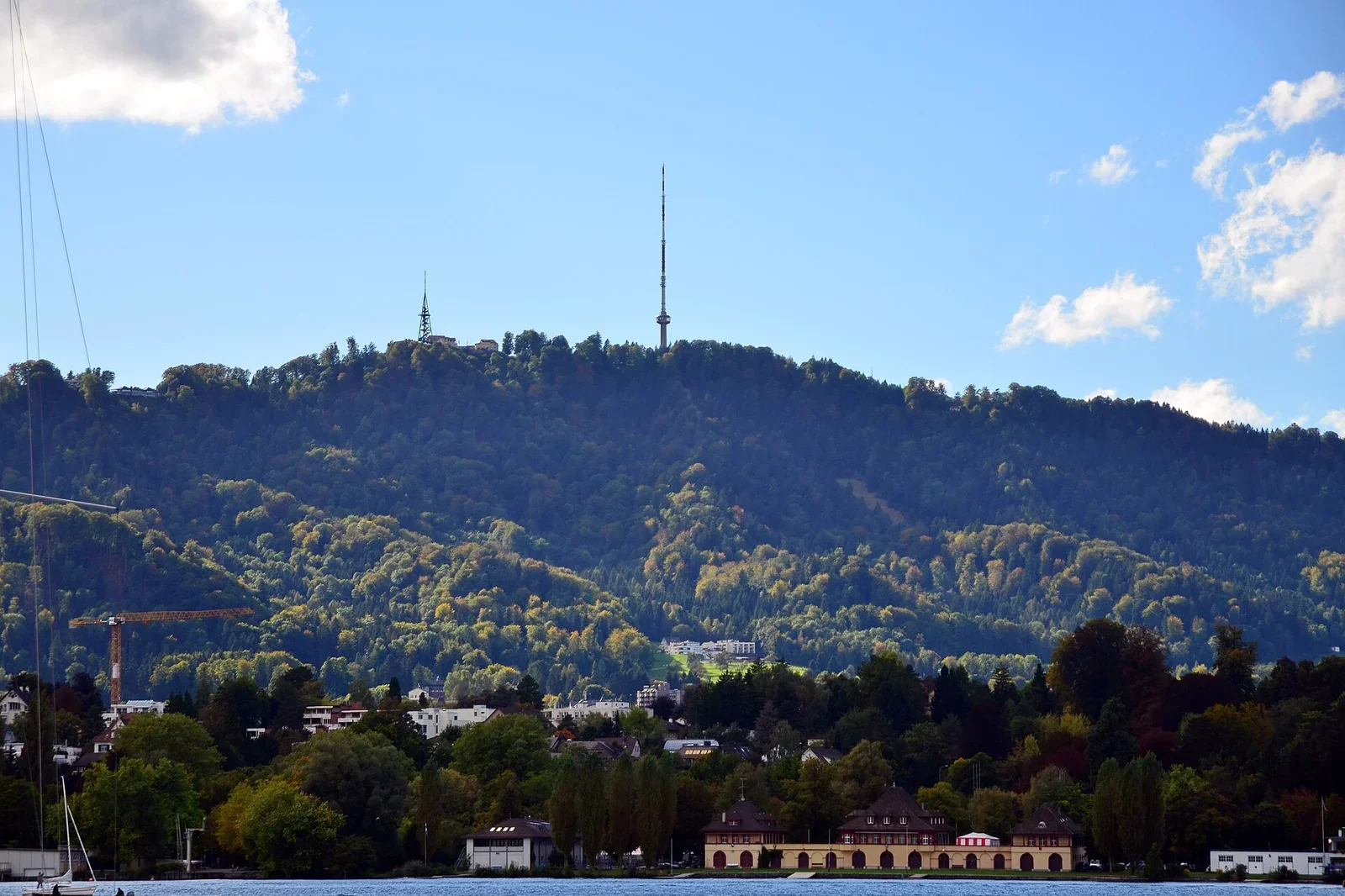
Uetliberg changes the scale of a Zurich visit. From the Old Town, the city can feel like a sequence of streets, bridges and entrances; a hill outing invites you to understand the wider landscape instead. Choose it for the weather and the walk you actually want, rather than as an obligatory photograph between museum bookings.
The summit area can reveal the city, lake and, in favourable conditions, the Alps. None of those views is guaranteed: low cloud may hide a distant skyline while the nearer trees and slopes remain the principal experience. The photograph here shows Uetliberg from the city side across water, not a panorama taken from its summit. That distinction matters when deciding what kind of view you are hoping to find.
There is a practical complication at the time of research. SZU’s notice checked on 31 October 2026 says that the Zürich HB–Zürich Selnau section used by the S10 remains closed through 12 December 2026, with reopening planned for 13 December. Plan the actual connection to Selnau and use the current ZVV timetable; do not follow an old instruction to board directly on the underground SZU platforms at the main station.
Treat the last part of the outing as an outdoor excursion. Check daylight, surface conditions and the return connection, especially in colder weather. A longer ridge walk, a tower visit and a simple summit-area outing require different decisions. If visibility is poor or paths unsuitable, move Uetliberg to another day and choose a museum instead; a flexible plan is more valuable than a completed checklist.
Bahnhofstrasse
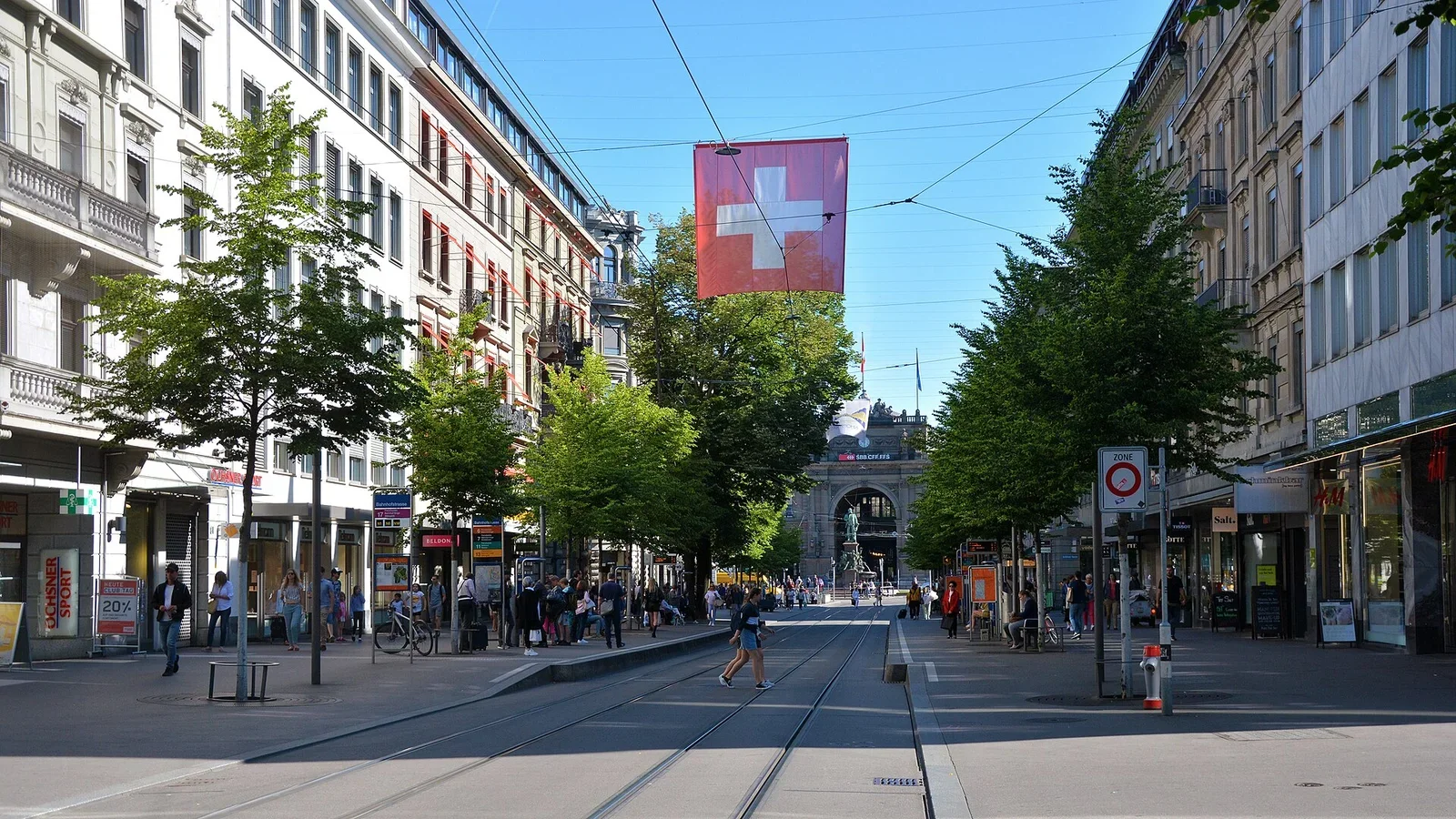
Bahnhofstrasse is worth approaching as a piece of city planning as well as a shopping address. It leads from the station towards the lake, giving a clear line through a city whose older lanes often turn and narrow. You can enjoy the route without planning a purchase: shopfronts, street trees and movement are part of the experience.
The roughly 1.4-kilometre street follows the line of a former moat. That transformation is a useful way to read Zurich’s growth: an edge of the older town became an important urban axis. Rather than measuring the walk by a list of luxury brands, notice how the surroundings change along its length, and how the old streets beside it offer a more intimate scale.
Rennweg and Augustinergasse can provide rewarding detours. Take one when you have time to look, then return to the main line or continue towards Lindenhof and St Peter. A straight station-to-lake route is simple, but a good walk can include a pause in a side street rather than constant forward motion. Keep an eye on tram movement and cross at appropriate places instead of stopping in the track corridor for photographs.
Separate the public street from the businesses on it. A walk may fit your plan when individual shops are closed, and Sunday or holiday hours should not be inferred from weekday displays. The lower end can lead into a lakeside interval at Bürkliplatz; if you are heading for a boat, check the actual departure point and sailing rather than assuming every nearby pier serves the same route.
Lake Zurich: City Shore
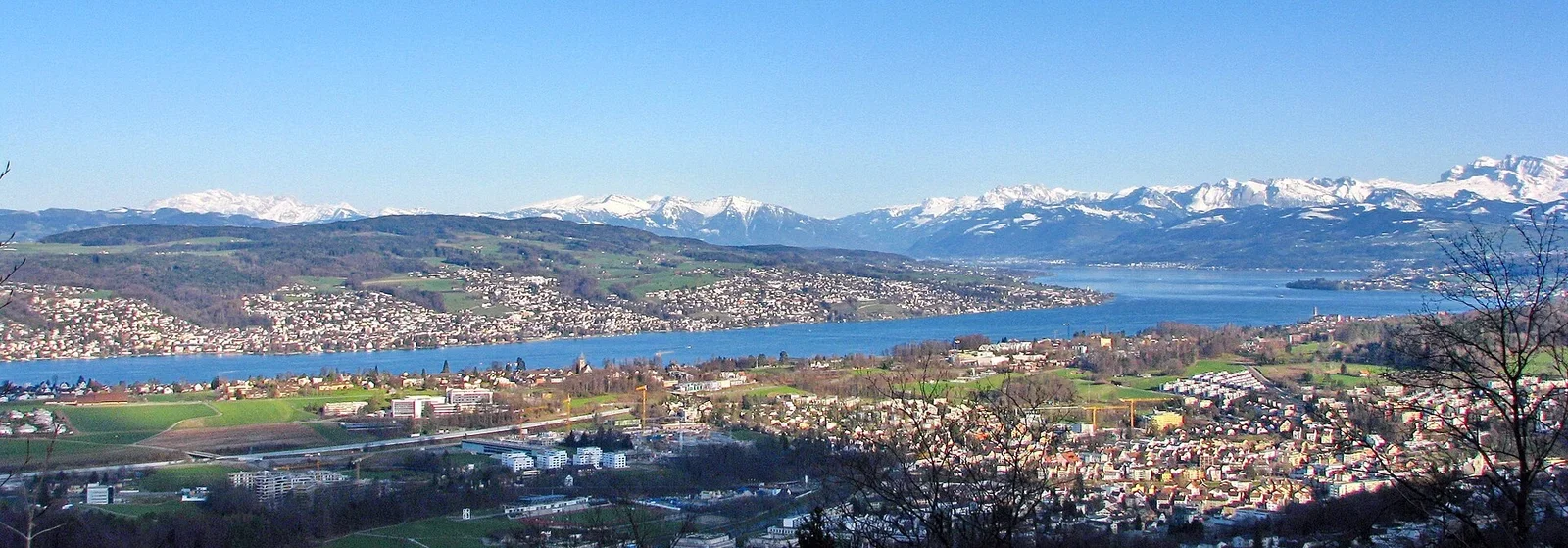
The city end of Lake Zurich makes a useful change of pace after close-looking visits in churches or museums. Around Bürkliplatz and Bellevue, the view opens and the city becomes a shoreline rather than a set of enclosed streets. Leave a portion of the outing unbooked so that sitting by the water is a real option.
This is a city-shore guide, not a claim that the whole lake can be explored in one short walk. The wider lake reaches well beyond central Zurich. The accompanying panorama, taken from Pfannenstiel, illustrates that broader landscape rather than the view from the city quay. When planning a route, distinguish a short waterside interval from a longer promenade, a boat excursion or a journey to another lakeside town.
A boat can become the main event of an outing, but start with the actual schedule. Departure pier, route, seasonal service and return options matter more than a scenic photograph of a vessel. Compare the whole journey with the time available rather than assuming a short central-city stop can absorb an unrestricted cruise. If you prefer walking, choose a section and leave enough daylight and energy for the return.
Swimming requires a separate seasonal decision. An attractive waterfront does not establish a permitted or supervised bathing point, water conditions or safe access. Use current local facility guidance rather than entering from an unfamiliar quay. In colder months, wind and daylight can also change how pleasant a long stop feels. The Opera House and Sechseläutenplatz offer a nearby architectural focus when you want to reconnect the water with the city.
Zurich Opera House
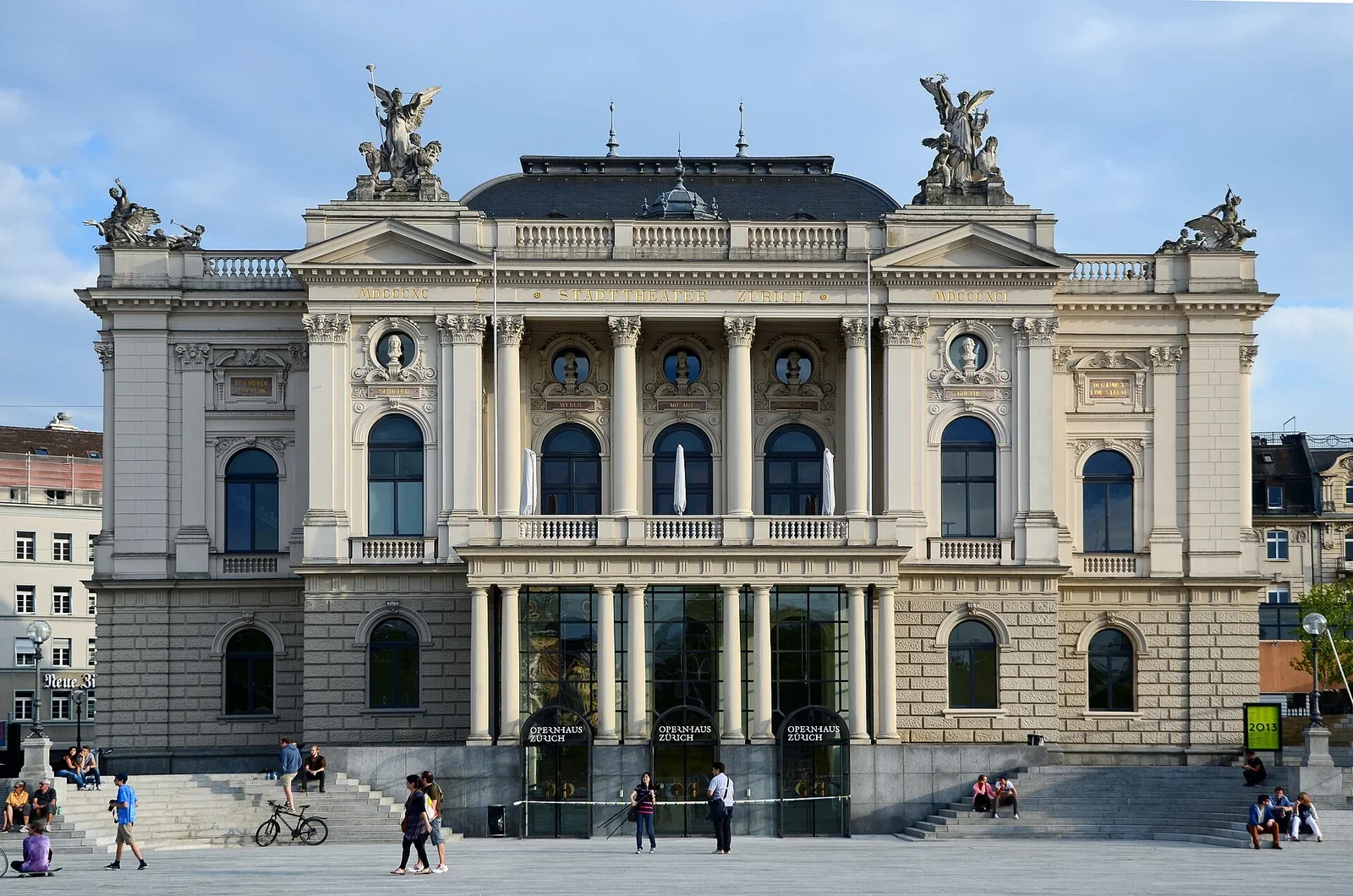
Zurich Opera House gives the lakeside a cultural anchor. Its ornate facade faces Sechseläutenplatz, where the building can be appreciated as part of a large public space. A visit to the square is a worthwhile architectural stop in its own right; an opera or ballet performance is a different commitment, deserving its own place in the evening.
The present theatre opened in 1891. From outside, look at the relationship between the decorative facade, the square and the nearby water rather than trying to compress an entire institutional history into a passing glance. The real 2013 photograph is an archival exterior view. It does not show current event arrangements, construction conditions or the experience inside the auditorium.
For a performance, start with the work and date that interest you. Check the language information, surtitles, duration, interval and entry arrangements on the actual booking page. A good seat choice depends on the experience you want and the needs of your group, so avoid choosing solely because a ticket fits between other appointments. Leave time to arrive and settle before the performance starts.
An interior look without attending a performance depends on the operator’s current tour programme. Do not assume that a publicly accessible square means an open auditorium or unrestricted backstage access. Bellevue and the lake can frame the outing before or afterwards, subject to weather and timing. Keep performance plans separate from a casual waterfront walk so that neither has to be rushed.
Lindenhof
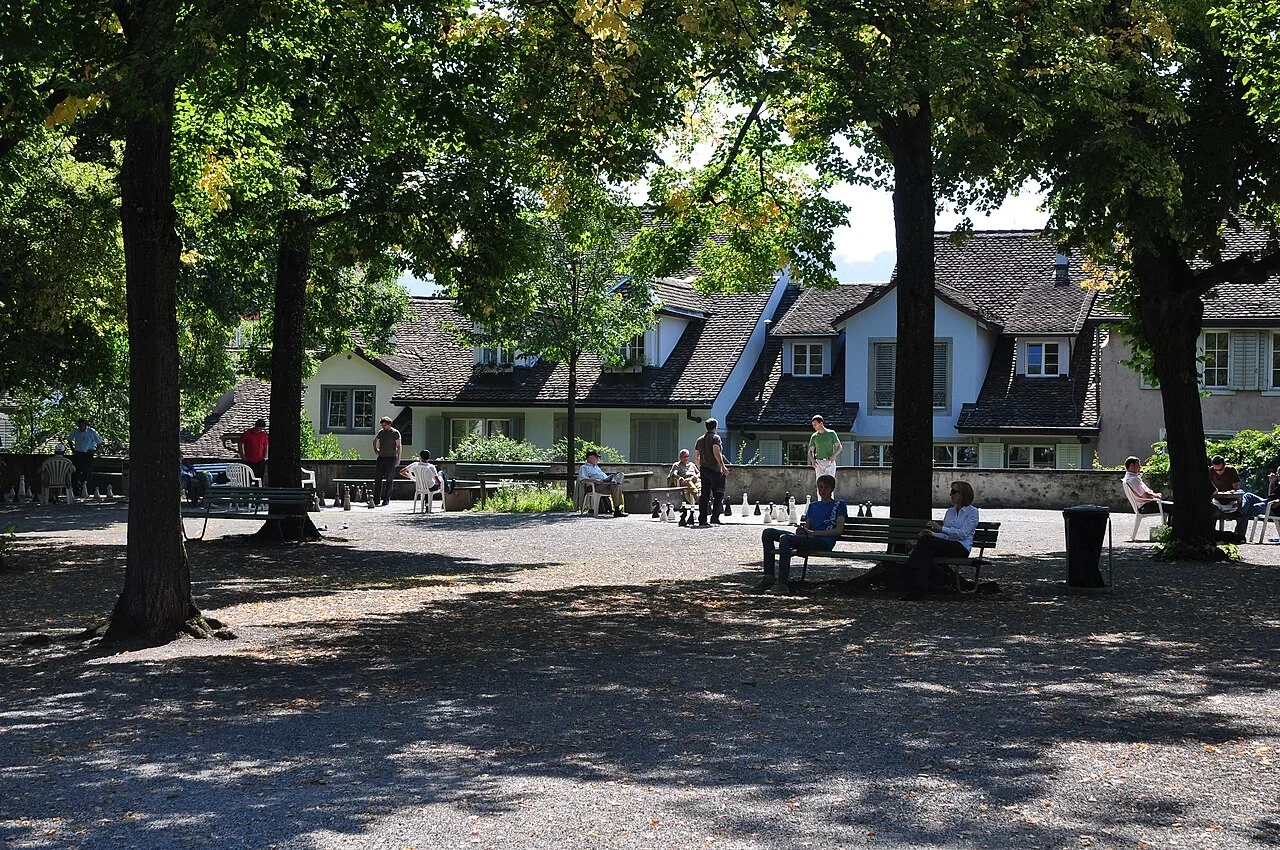
Lindenhof is a useful reminder that a memorable stop need not have a ticket desk. Above the Old Town, the open square gives room to pause and look towards the river and the opposite bank. Its interest lies partly in the view and partly in the ordinary life around it: people meeting, resting or playing chess.
The site has a long history, including a Roman fort in the fourth century and a later royal palace. Those layers help explain why this elevated position mattered before it became a viewpoint on a visitor’s route. Look at the relationship between the hill, water and surrounding streets, then allow the present-day square to retain its own identity rather than treating it only as the footprint of lost buildings.
Approach at a pace that suits the slopes and lanes. The climb changes the experience of the Old Town, but the route you select matters if steps, uneven surfaces or fatigue are a concern. Check an appropriate approach rather than assuming that a central location means a level walk. Once there, move away from the first viewpoint long enough to notice the trees, fountain and the space people use around them.
The photograph shows the square in 2011, including its public chess setting; it is not a promise that a particular activity will be taking place today. Be considerate when taking photographs of people, and avoid standing in the middle of a game or a group’s conversation for a better angle. St Peter and Bahnhofstrasse can fit around this stop, but Lindenhof works best when it includes a genuine pause.
National Museum Zurich
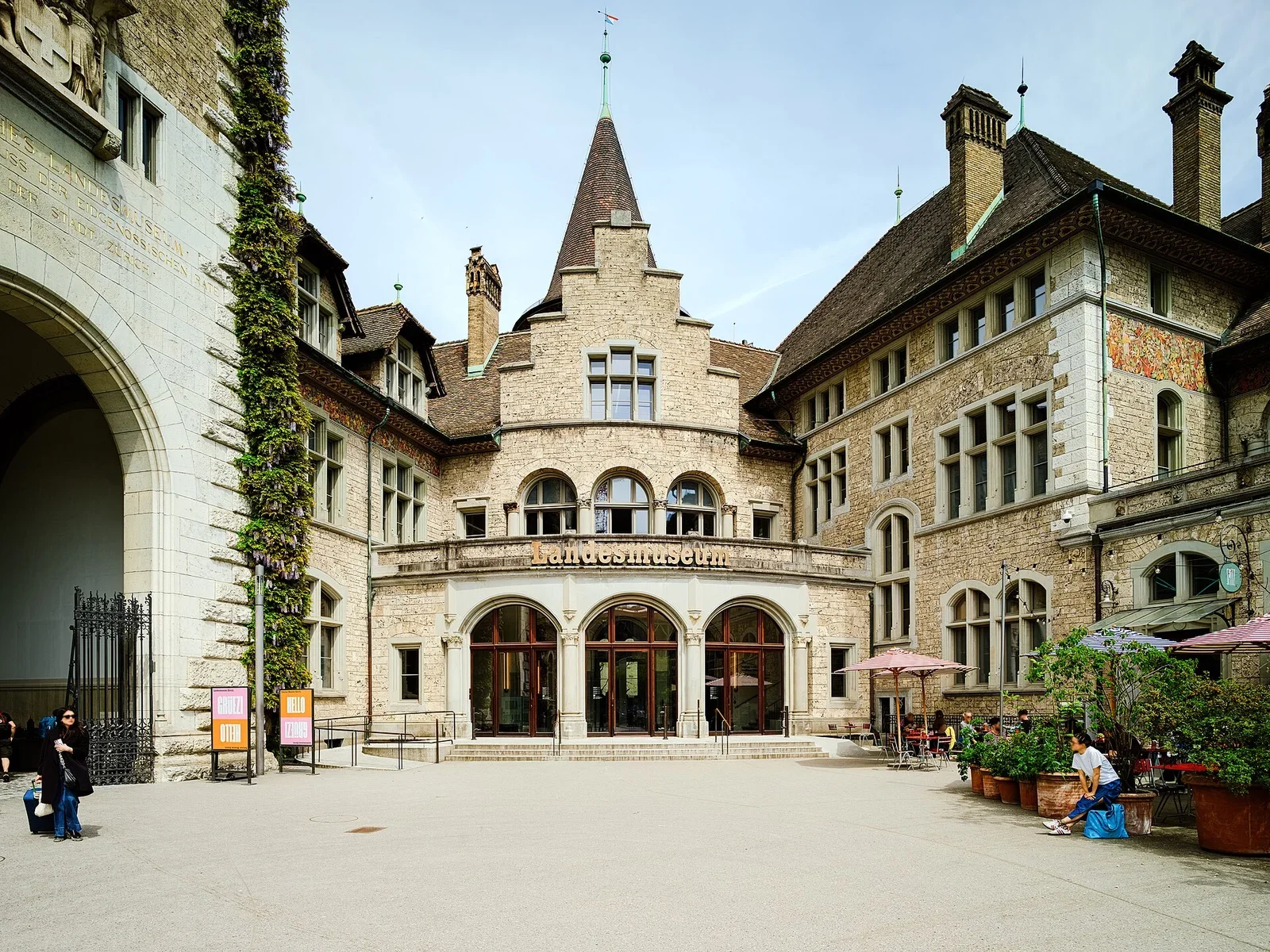
National Museum Zurich provides a strong opening when you want more context for the country beyond a city walk. Its location near the main station makes it geographically convenient, but convenience is not a reason to reduce the collection to a rushed stop with luggage and a departing train constantly in mind.
The historic castle-like building and the modern extension create a useful architectural comparison. Before entering, notice that the museum is not one uniform period setting. Inside, follow a theme that interests you rather than expecting one uninterrupted national story. Objects, domestic life, institutions and changing ideas can offer different ways to ask what Swiss history means and whose experience a display is presenting.
Choose from the current collection map and temporary programme. An exhibition title is more informative than a generic instruction to see everything, especially if the group includes different ages or interests. Leave enough time to read and compare a few displays, and check whether the ticket you are considering covers the temporary exhibition you want. A photograph of the courtyard does not establish what is currently installed in a gallery.
The museum, its courtyard setting and the nearby park are distinct parts of an outing with their own access conditions. A walk in the area does not imply museum entry. Check the current calendar, holiday exceptions and last-entry arrangements before relying on a station-side arrival. The museum’s official visitor page is linked below so that a dated travel plan can begin with the operator’s actual information.
Kunsthaus Zürich
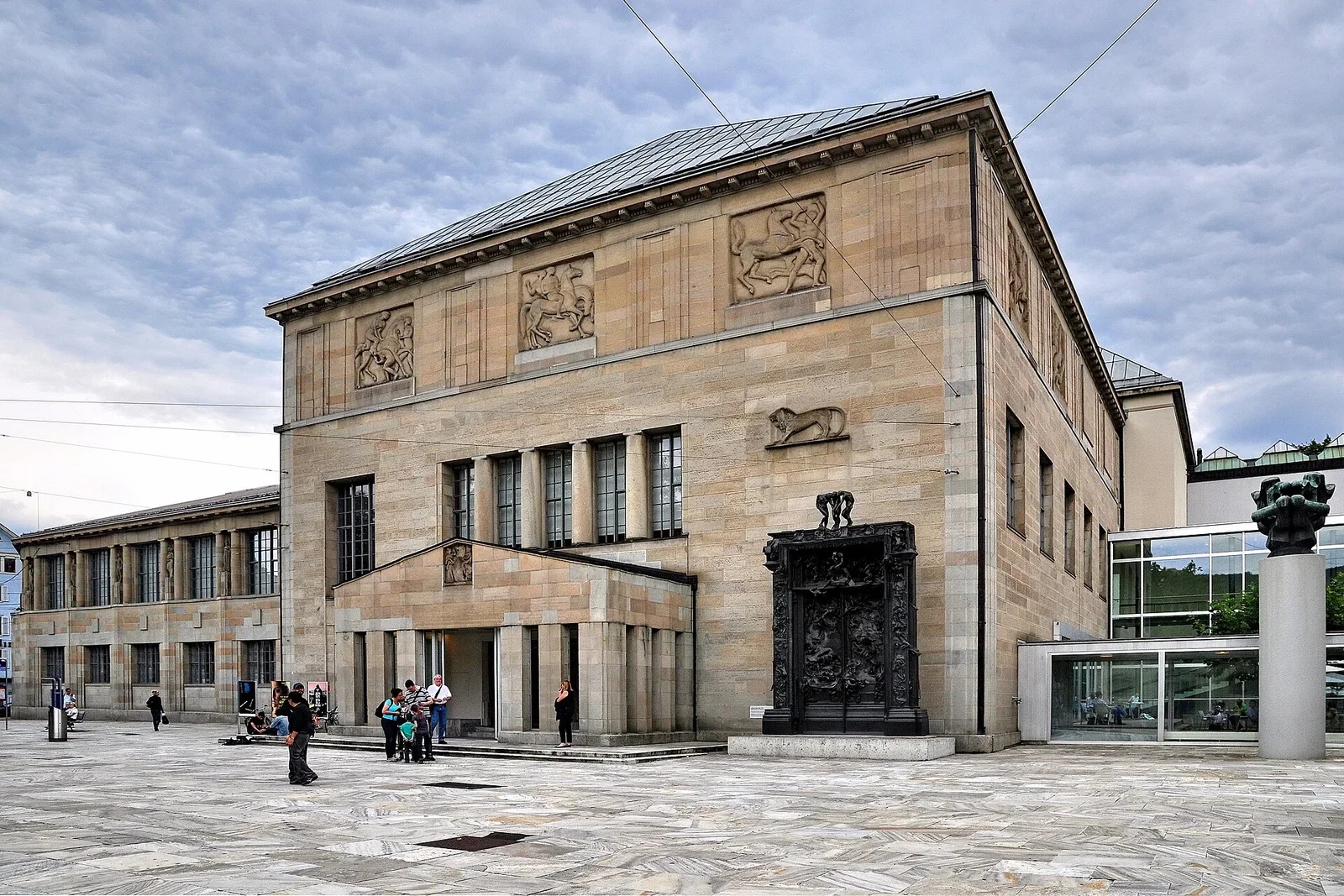
Kunsthaus Zürich rewards an art-led plan rather than a promise to finish a museum. Begin with a period, artist or question that interests you, then use the current map to find the appropriate galleries. The experience extends across distinct buildings, so choosing an entrance and understanding the layout are part of preparing the visit.
The photograph here records the older Kunsthaus facade in 2011; it is not a picture of the later Chipperfield extension. Looking at the buildings as different settings for art can enrich the visit without turning it into an architectural endurance test. Allow a break before moving to another part of the complex, particularly if you have already spent the morning in a church or museum.
The Emil Bührle collection also asks visitors to consider provenance and the circumstances behind collecting. Follow the museum’s current presentation and contextual material rather than treating a list of famous names as a complete explanation of the works. Ownership histories and the conditions of acquisition belong to the experience of looking, and the current display should be checked rather than assuming every work mentioned in a guide is on view.
Admission to a collection, a temporary exhibition and a special programme can involve different terms. Confirm the actual ticket, available rooms and opening day; the current visitor page lists Monday closure with specific holiday exceptions and notices. If you want only a short visit, choose a small number of works deliberately. A focused hour of looking, where available, can be more rewarding than moving rapidly between every room.
Niederdorf
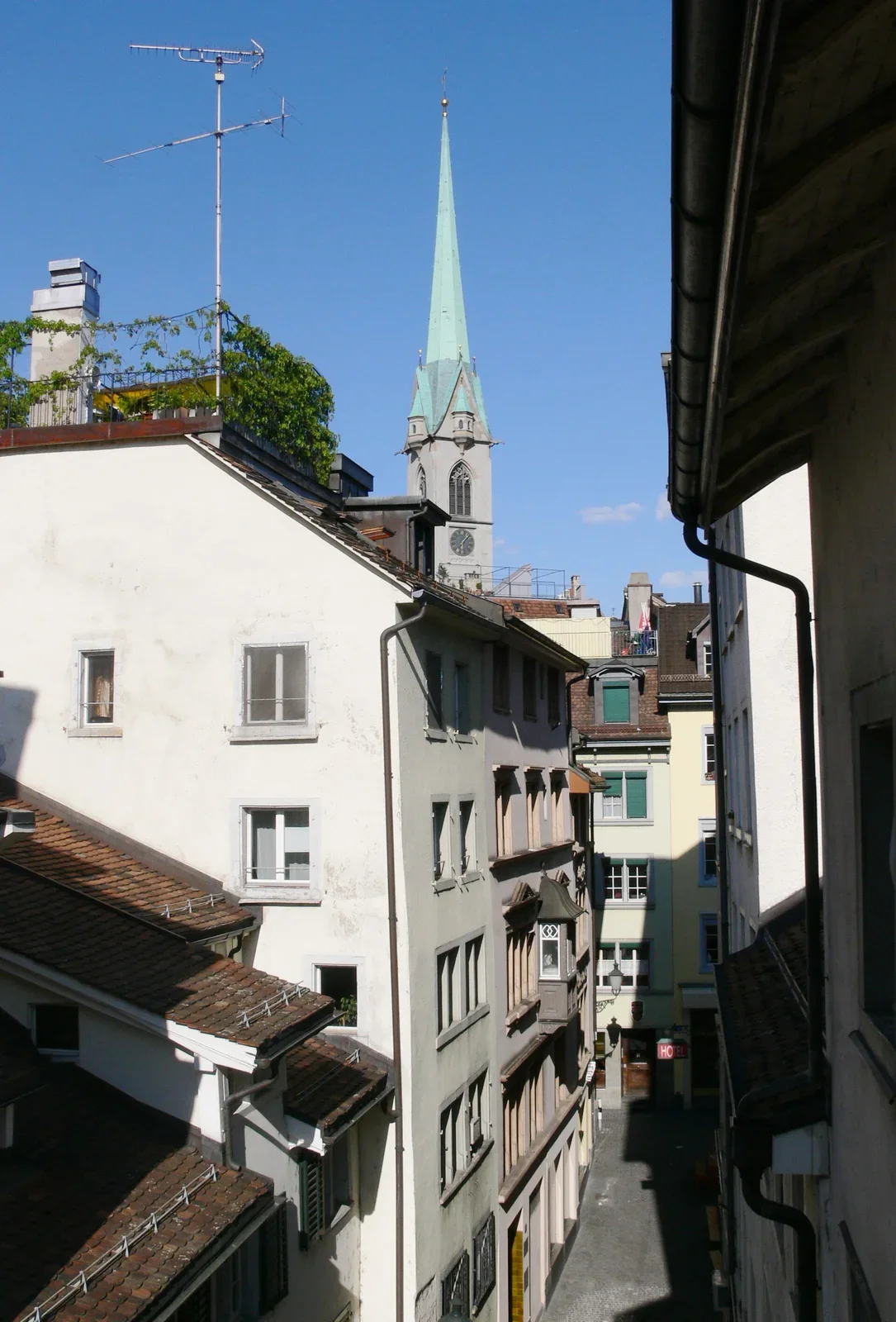
Niederdorf is best visited with room to change direction. Its east-bank Old Town lanes offer a smaller scale after Bahnhofstrasse’s broad line: shopfronts, upper-storey details and glimpses into side streets replace the feeling of a single grand route. The aim is to pay attention rather than find a perfect circuit.
Look above eye level as well as into windows. Building fronts and projecting details can tell you more about the street than a procession of souvenir stops. A short detour towards a courtyard may be interesting, but a visible entrance is not necessarily an invitation into private space. Keep residential doors, deliveries and people’s everyday routes clear, particularly when stopping for photographs.
The historic setting is also an active neighbourhood with businesses and evening life. The same lane can feel different according to the time and the events taking place. This guide does not certify a current restaurant or nightlife inventory; choose a meal from up-to-date opening information, menus and your group’s preferences. Do not assume a historic facade guarantees a particular style of food, price or quality.
Niederdorf can connect an Old Town walk with Central and the Polybahn, while Grossmünster provides another east-bank reference point farther south. Keep those as orientation choices rather than a compulsory route. The accompanying June 2007 photograph looks along a lane towards Predigerkirche; shopfronts and conditions may have changed. Leave enough flexibility to enjoy what is actually there rather than searching for an unchanged photographic scene.
University of Zurich Botanical Garden
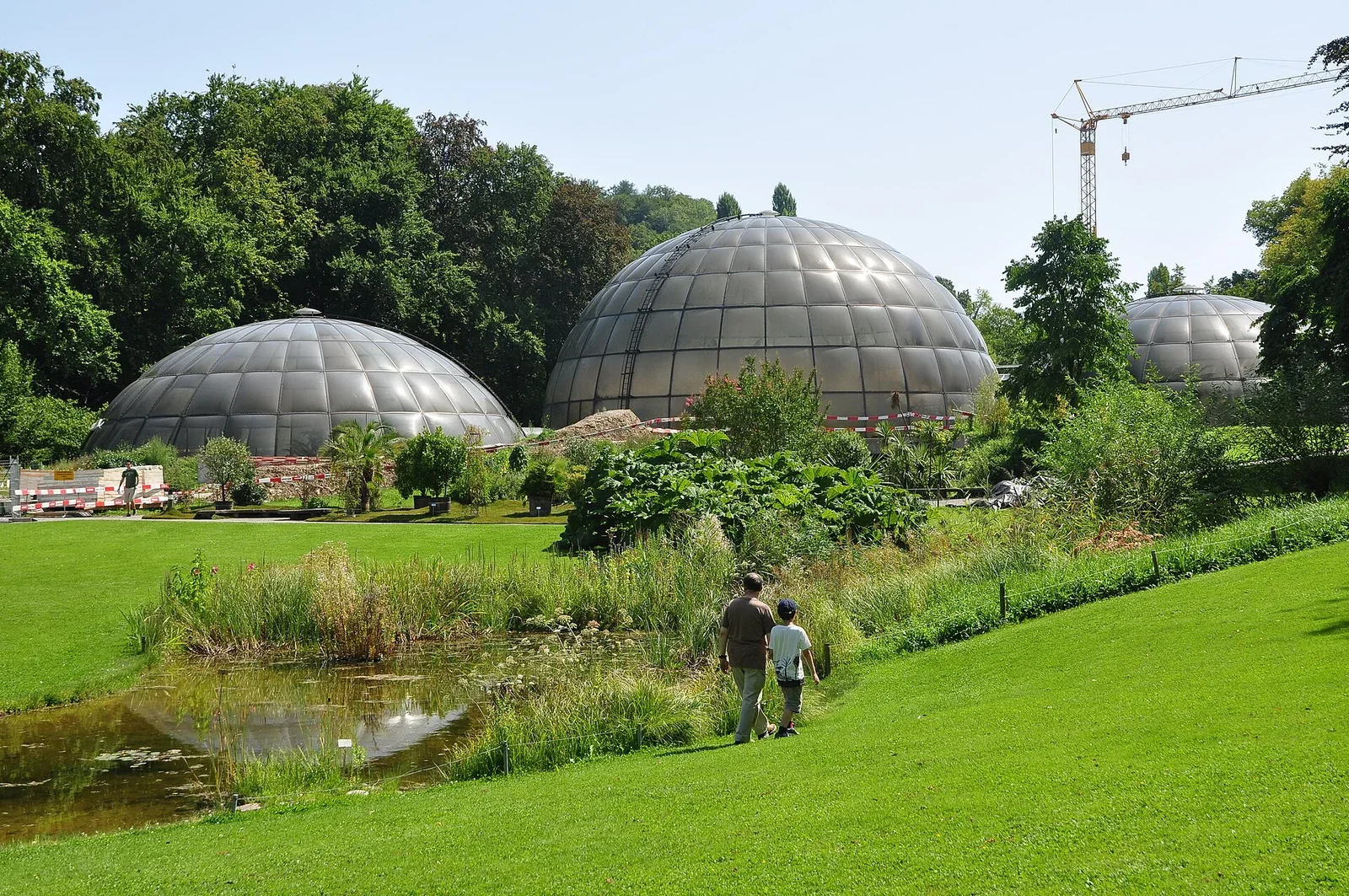
The University of Zurich Botanical Garden offers an outing shaped by plants rather than monuments. It is the garden at Zollikerstrasse 107, with the familiar domed tropical houses, not the Old Botanical Garden near the Schanzengraben. Confirming that distinction before travelling avoids arriving at a different site with a photograph of the wrong garden in mind.
Treat the planting as a collection to observe. Choose a few contrasts in leaf shape, growth or habitat and read the labels rather than moving from dome to dome solely for photographs. The outdoor grounds and tropical houses create different conditions for looking; each can hold a visit if you give it a clear purpose. Seasonal change is part of the interest, not a failure to reproduce a summer image.
The operator’s page checked on 31 October 2026 lists free admission and separate schedules for the outdoor area and tropical houses. Those schedules also change by season outdoors. Check the current page for your date instead of assuming that an open gate means every house or facility is available. The real 2011 photograph records the garden in summer and does not establish today’s flowers, works or house access.
The university asks visitors to keep children under twelve accompanied and makes clear that the narrow paths are not a playground. Use the visit to encourage close observation while protecting the collection. Check the current accessible route if needed, and plan the journey as a separate outing from the Old Town rather than squeezing it between two central timed admissions.
Polyterrasse
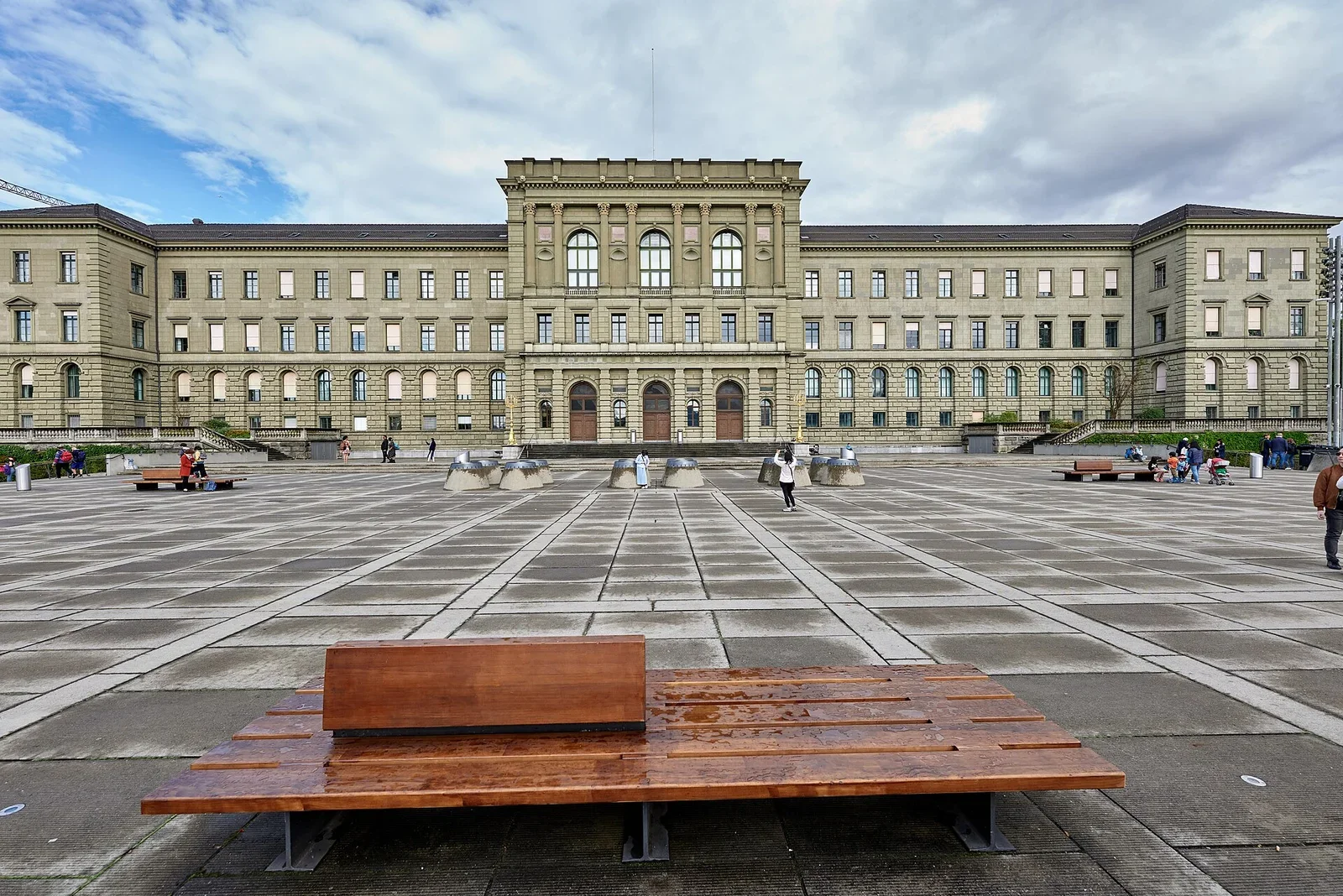
Polyterrasse offers another elevated reading of Zurich without making a mountain excursion. Beside the main ETH building, the broad terrace looks back over the Old Town towards the lake. It can be a useful place to reconsider the streets you have already walked, turning individual towers and rooftops into a wider urban arrangement.
The ETH building gives the outlook a different frame from Lindenhof’s trees and smaller square. Consider how an academic institution occupies a prominent position above the city. The terrace is a public place near a working university, so a visit should leave room for students and staff using their normal routes. Public access to the viewpoint does not establish permission to explore teaching rooms or other university interiors.
The Polybahn links Central with the university area and can make the approach part of the experience. Check its current operating arrangements before depending on it, especially for a return journey or a mobility requirement. A funicular symbol on a map does not by itself prove that the whole route, including platforms and the final terrace approach, meets your access needs.
Use the space considerately. Follow posted rules, remove litter and do not treat the terrace as a barbecue or amplified-music venue. The 2022 photograph shows the terrace and ETH facade rather than guaranteeing a particular view or weather today. If visibility is poor, the architectural setting may still be interesting; if you mainly want a panorama, keep enough flexibility to come when the conditions suit.
St Peter Church, Zurich
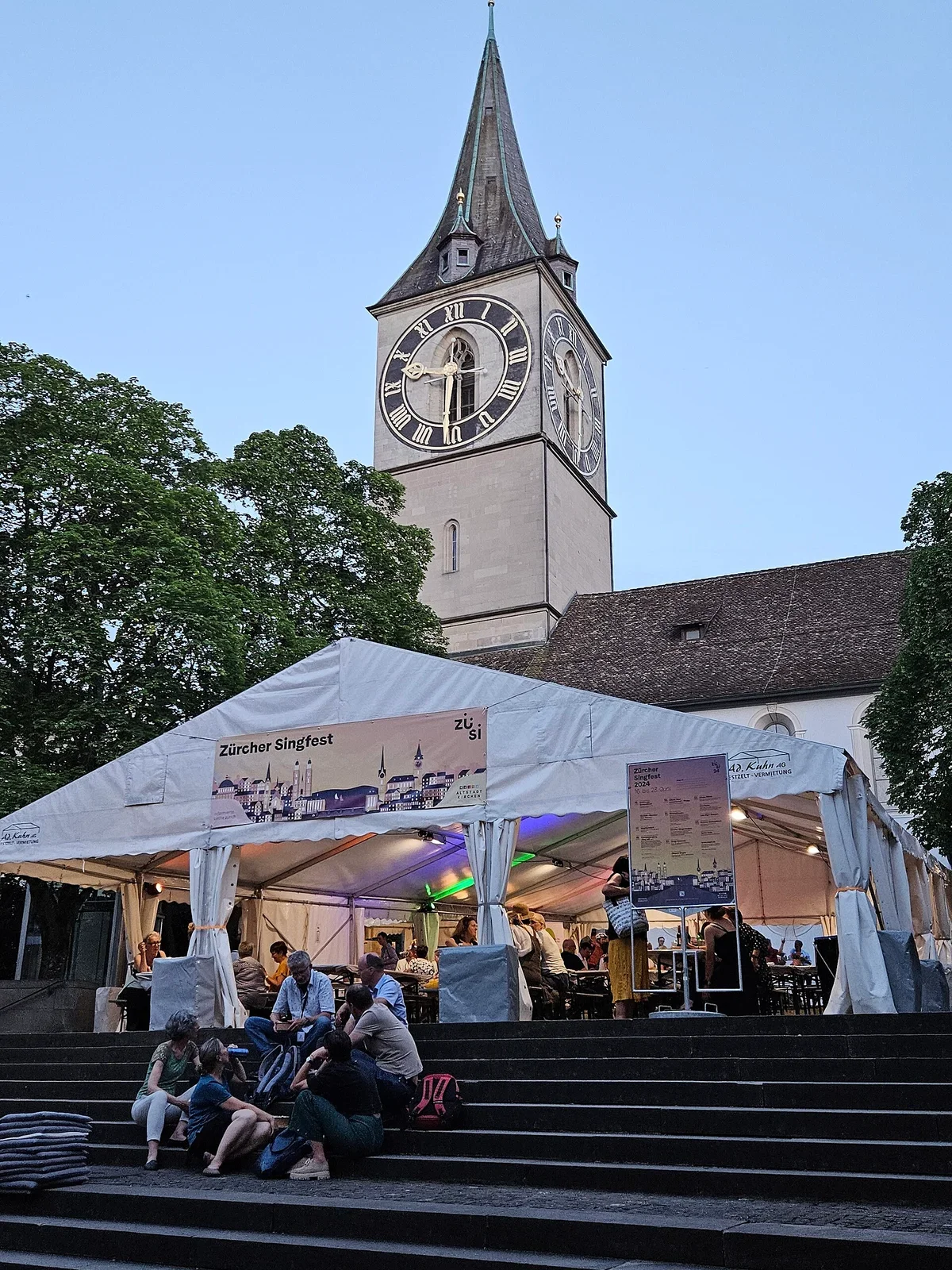
St Peter is a good place to slow down after a sequence of larger landmarks. The clock tower makes a strong visual statement, but the surrounding Hofstatt offers a more intimate setting than a distant skyline photograph suggests. Approach through the Old Town and let the change in scale become part of the visit.
Zurich Tourism identifies St Peter as the city’s oldest parish church. The tower also served as a fire-watch post until 1911, a useful reminder that a church tower could perform civic work beyond marking worship and time. Looking at the clock from the square connects that public role with the streets around it without needing to make a superlative about every clock in Europe.
The church remains a place of worship and music. Check the current calendar before planning an interior visit, and distinguish attending a concert from sightseeing during visitor hours. A quiet interior, a full performance and a view from the square offer different experiences; a general guide cannot promise that all three are available on the same day.
The June 2024 exterior photograph includes temporary festival structures in the square. It is intentionally presented as a dated scene rather than a timeless view of an empty Hofstatt. Keep entrances and event routes clear, and follow on-site instructions about photography. Lindenhof and Fraumünster are sensible nearby comparisons when time allows, but St Peter deserves attention for its own relationship with the neighbourhood.
Put the places together: a flexible three-day Zurich plan
Use the thirteen stops as a selection for several outings, not thirteen complete visits in one day. The following is an editorial planning suggestion, not a package of guaranteed openings or timed transport connections. Choose a main interest each day and check the actual calendar before booking.
On the first day, concentrate on the Old Town. Begin with an exterior comparison of Grossmünster and Fraumünster, then choose which interior experience matters most. Cross to St Peter and Lindenhof when the route and opening arrangements fit, leaving time to sit rather than immediately starting another climb. A section of Bahnhofstrasse can bring the walk towards the lake, but finishing the whole street is optional.
On a second day, choose National Museum Zurich or Kunsthaus as the main cultural visit. They are different institutions, and a worthwhile visit need not include both. Add Niederdorf and Polyterrasse if you want more walking, using the current Polybahn arrangement when appropriate. Keep the evening open for an Opera House performance only if the actual programme interests you; a booked performance deserves an unhurried arrival.
For a third day, let weather and interests decide. Uetliberg can provide a hill outing with a current S10 journey check and a suitable return plan. The university botanical garden is a separate alternative centred on plants, not a stop on the same central Old Town loop. If you stay beside the lake instead, choose a manageable promenade or a confirmed sailing and enjoy the extra time rather than replacing every unused booking with another.
For a shorter stay, keep the riverbank churches, Lindenhof and a lakeside interval, then select one museum or outdoor outing. For a longer stay, revisit the area that caught your attention. The fifteen different TourPedia links below connect every place guide with the Zurich destination and Switzerland collection, so the broad story can lead into a more focused plan.
Before you go
- Choose a few priority visits rather than thirteen entries in one day.
- Check church services, tower access, museum tickets and performance bookings separately.
- Recheck Grossmünster renovation notices before an interior or tower visit.
- Read the SZU HB–Selnau closure notice and current ZVV connection for Uetliberg.
- Use Zollikerstrasse 107 for the university botanical garden, not the Old Botanical Garden.
- Check weather, daylight, paths and return transport for outdoor outings.
- Respect artwork image restrictions, residents, worship and public-space rules.
Your questions, answered
Are these the thirteen most visited attractions in statistical order?
No. The first ten are Zurich Tourism’s official top-ten visitor selection; three additional stops broaden the itinerary. The article does not claim comparable admissions figures for churches, streets, museums, a lake and public viewpoints, or a precise attendance ranking.
How much time should I allow for these Zurich sights?
Use several outings if you want meaningful museum, church and outdoor visits. The suggested three-day framework is flexible, not a promise that every stop fits. For a short stay, choose an Old Town walk and one major cultural or landscape outing.
Can I take the S10 directly from Zurich main station to Uetliberg?
The SZU notice checked on 31 October 2026 announces the HB–Selnau section closed through 12 December 2026, with reopening planned for 13 December. Check the current notice and ZVV timetable for your date and connection to Selnau; do not rely on an old direct-departure instruction.
Which botanical garden does this guide describe?
The University of Zurich Botanical Garden at Zollikerstrasse 107, including its outdoor collection and tropical houses. It is distinct from the Old Botanical Garden. The operator lists separate seasonal outdoor and tropical-house hours, which should be checked for your date.
May I publish photographs of Fraumünster’s Chagall windows?
The church’s guidance distinguishes private photography from publication and restricts window images to private use. Follow the current rules and do not assume that taking a photograph gives publication rights. This package uses a licensed exterior photograph instead.
Do I need tickets for every stop?
Public streets, squares and viewpoints are different from museum collections, church visitor routes, tower climbs, boats and performances. Check the actual visit you want and its current terms. A public exterior does not imply an open interior or an included paid activity.
Will the places look exactly like the photographs?
No. The credited real photographs record specific dates, including older views and a festival scene at St Peter. Planting, scaffolding, event structures, shops and access may have changed. The broader-lake panorama is taken from Pfannenstiel, not the city quay, and the Uetliberg image looks towards the mountain rather than from its summit.
About this story
This story completed TourPedia’s editorial and photograph checks before publication. Visiting arrangements can change; check current information before travelling.
Our editorial approach